

We’ve all followed a diet that looked perfect on paper but collapsed by Friday. That’s what happens when a plan ignores how people actually eat and live.
Learning how to make a diet plan like a nutritionist isn’t about strict rules or bland meals, it’s about structure that fits your routine. Once you understand calorie needs, portion balance, and timing, food stops feeling like a struggle.
The best part? You can still enjoy your favorite foods and make steady progress, because real results come from consistency, not deprivation.
Why a Structured Diet Plan Matters for Your Overall Health
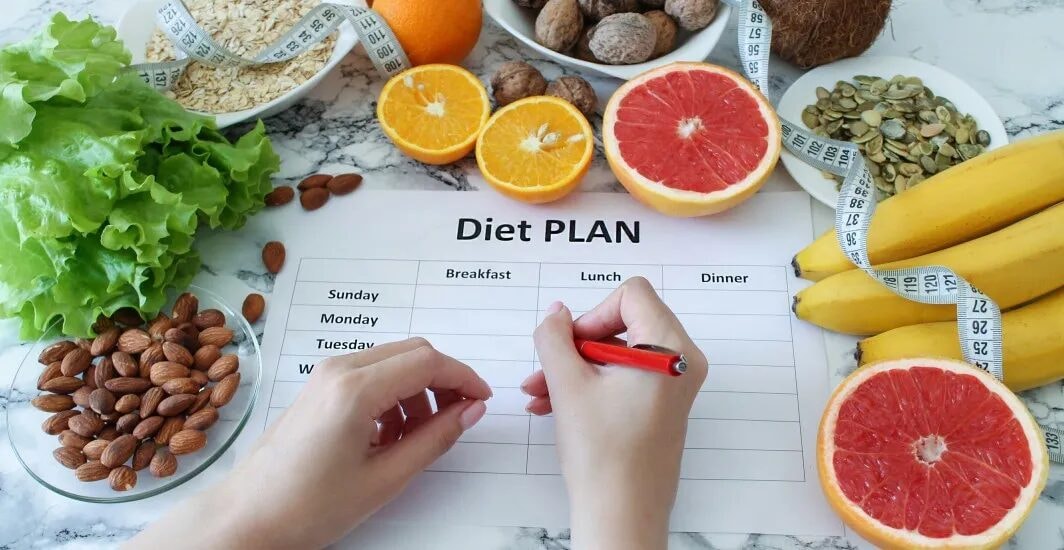
A structured diet plan helps maintain good health and overall health by promoting a balanced diet rich in essential nutrition. It lowers the risk of chronic diseases and supports a healthier life by guiding you toward consistent eating habits that maintain health in the long run.
"Take care of your body. It’s the only place you have to live."
— Jim Rohn
Understanding this connection reveals why nutrition must always be intentional.
-
A balanced diet supplies essential nutrition that supports energy, recovery, and immune function. Think vegetables, fruits, whole grains, and quality protein.
-
Consistent meals help maintain health by stabilizing appetite and blood sugar, which supports overall health and mood.
-
Planned variety reduces chronic diseases risk by limiting processed foods and increasing fiber, micronutrients, and healthy fats.
-
Simple rules make healthier life choices repeatable, like filling half the plate with produce and rotating whole grains through the week.
-
Clear routines prevent decision fatigue. A set grocery list and a basic prep block keep good health habits automatic.
Once these benefits are clear, translating them into daily meals is the logical next move. From here, the focus shifts to a simple weekly plan that shows structure in action.
A 7-Day Sample Diet Plan for Lasting Energy and Better Health
This 7-day meal plan blends vegetables, whole grains, brown rice, and fresh fruits with nutrient-packed foods like fish, cottage cheese, and sweet potatoes. It helps sustain a healthy weight while providing milk, fruit juice, and lean cuts for complete nutrition.
See how combining these foods creates balanced energy and better daily wellness throughout the week.
| Day | Breakfast | Lunch | Dinner | Snack |
|---|---|---|---|---|
| Monday | Oats with milk and fresh fruits | Brown rice with kidney beans and vegetables | Grilled fish with sweet potatoes | Unsalted nuts or fruit juice |
| Tuesday | Whole wheat pasta with vegetables | Lentils with rice and mixed greens | Cottage cheese with steamed vegetables | Fresh fruit or green tea |
| Wednesday | Smoothie with milk and banana | Whole grains with lean cuts of meat or tofu | Baked sweet potatoes and salad | Pumpkin seeds or yogurt |
| Thursday | Brown rice porridge with fruits | Mixed vegetable curry and whole wheat roti | Fish curry with rice and spinach | Cottage cheese cubes or fruit |
| Friday | Vegetable omelet with toast | Chickpea bowl with fresh fruits | Lentil soup with steamed vegetables | Unsalted nuts or fruit juice |
| Saturday | Smoothie bowl with oats | Whole grains and mixed legumes | Grilled lean cuts and steamed vegetables | Sweet potatoes or green tea |
| Sunday | Oats with milk and nuts | Vegetable rice with cottage cheese | Whole wheat pasta with tomato and basil | Fresh fruit and yogurt |
Why It Works
-
Combines nutrient-rich foods across all food groups to balance energy and improve overall health.
-
Reduces saturated fat while adding healthy fats through vegetable oils, nuts, and fish.
-
Supports portion control naturally by using whole grains and fiber-dense vegetables.
-
Encourages healthy eating habits that maintain energy levels throughout the day.
-
Delivers essential vitamins and minerals through fresh fruits and milk.
This plan shows how structured eating brings lasting balance and energy. Once this pattern feels natural, the next step is understanding how to build your own plan with precision and flexibility.
Want your weekly meals planned without the guesswork? Visit Balance Bite for customized diet templates that match your routine and taste
8 Steps to Build an Effective and Balanced Diet Plan
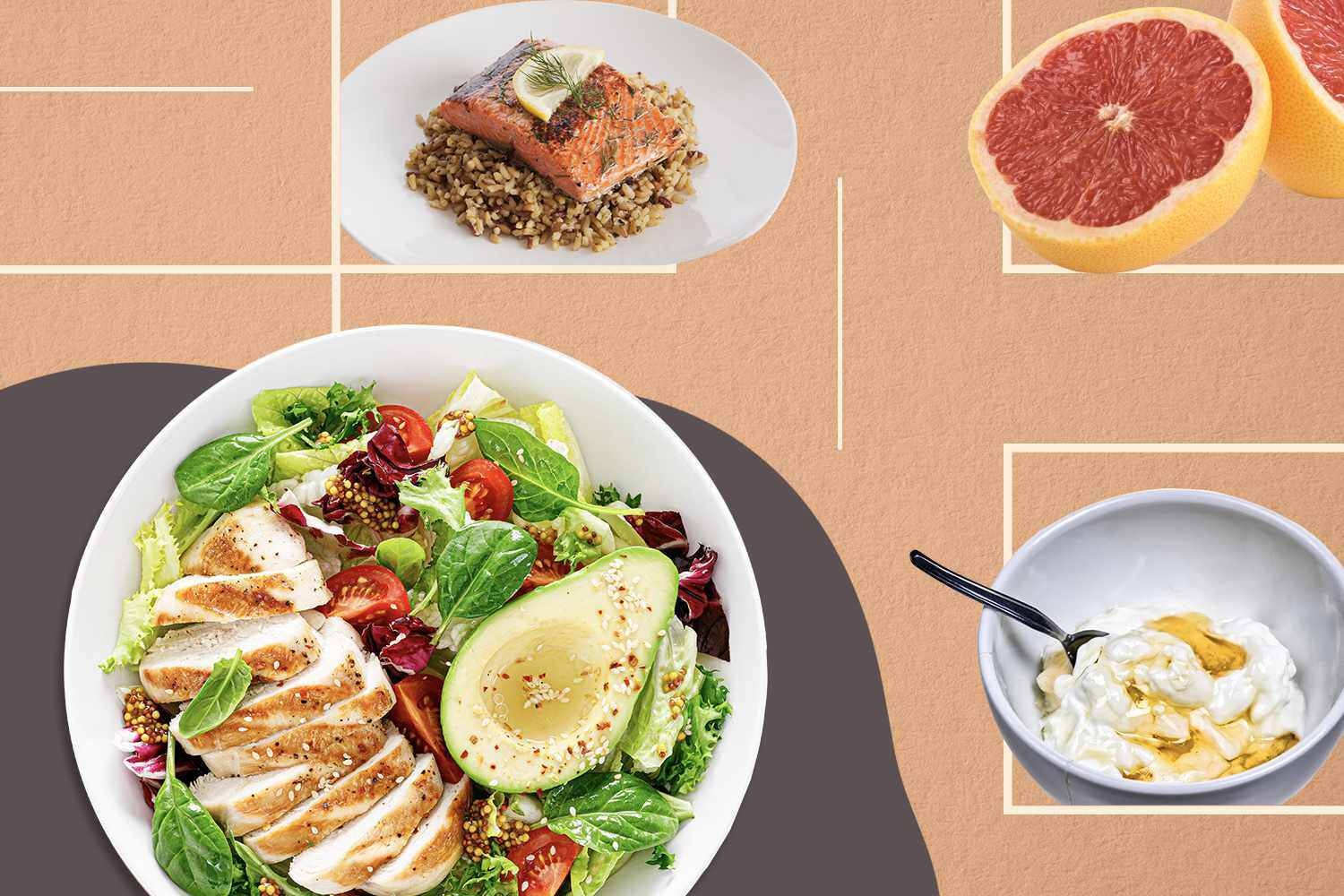
A balanced diet isn’t about restriction but about smart structure. This section shows how to calculate calorie needs, manage portion sizes, and design a diet plan that improves energy levels and nutrition.
You’ll learn how every meal plan and food choice affects your body weight and long-term results through clear, actionable steps that simplify healthy eating.
1. Calculate Your Daily Calorie Needs Based on Goals
Understanding how many calories your body truly needs is key to setting realistic weight goals. Calorie needs vary with age groups, activity levels, and body composition. Tracking this prevents overeating and ensures balanced energy levels for overall well being.
Once you know your baseline, shaping a personalized diet becomes simple and precise.
-
Use a calculator with height, weight, age, and activity input, then set a small deficit for fat loss.
-
Check protein at 1.2–1.6 g per kg body weight for better appetite control.
-
Reassess calories after every 3–4 kilograms of change.
-
Example: 70 kg, lightly active, needs about 2,200 calories, start at 2,000 for steady loss.
2. Identify the Right Food Groups for Balanced Nutrition
Each food group provides specific building blocks for a healthy body. Mixing different food groups adds essential nutrients, vitamins, and nutrient rich foods your body needs for good health. Think of it as creating a healthy plate that maintains nutrition balance and variety.
The next step is selecting the foods that fit best into your routine.
-
Fill half the plate with vegetables and fresh fruits for fiber and vitamins.
-
Rotate whole grains like brown rice, millet, and whole wheat pasta for steady energy.
-
Choose lean proteins such as fish, eggs, lentils, and cottage cheese.
-
Add healthy fats from nuts, seeds, and vegetable oils for nutrient absorption.
-
Include fermented foods for gut health when they suit your routine.
3. Choose Whole Foods Over Processed Options
Whole foods like whole wheat pasta, kidney beans, and fresh fruits offer essential vitamins and fiber that processed options lack. Avoiding added sugars and opting for unsalted nuts or vegetable oils helps maintain a healthier life.
Swapping refined foods for natural ingredients strengthens your nutrition foundation before moving toward daily meal structuring.
-
Swap packaged snacks for fruit with unsalted nuts or pumpkin seeds.
-
Replace refined flour with whole grains in bread and rotis.
-
Choose plain yogurt over flavored cups with added sugars.
-
Cook with olive or peanut oil, measure to control portions.
-
Keep a short ingredient list rule when buying staples.
4. Plan Each Meal to Match Your Calorie and Nutrient Targets
Your meal plan should balance nutrient intake with calorie needs. Include protein-rich foods, fruits, and whole grains, pairing them with healthy fats and vitamin C-rich vegetables for a complete mix. This approach supports body weight management and consistent energy.
Once your plate aligns with your nutritional goals, portion control becomes easier to maintain.
-
Anchor each meal with a protein source, then add vegetables and whole grains.
-
Use vitamin C sources like citrus or bell peppers with plant iron foods.
-
Prebuild two breakfast and two lunch templates to reduce decisions.
-
Example plate: grilled fish, brown rice, spinach, and tomato salad.
5. Control Portion Sizes for Sustainable Weight Management
Healthy eating is not about restriction but precision. Portion control ensures the right food intake while helping maintain a healthy body weight and prevent overeating. Using a healthy plate model simplifies how much to eat across meals.
Once your portions are consistent, you can refine food variety without losing balance or satisfaction.
-
Use your palm for protein, a cupped hand for grains, and your fist for vegetables.
-
Plate food in the kitchen, avoid family-style serving on the table.
-
Eat slowly, pause at 80 percent fullness, and reassess hunger.
-
Pre-portion snacks so calories stay predictable.
6. Adjust Saturated Fat and Sodium for Better Heart Health
Limiting saturated fat and choosing low fat cooking oils like vegetable oils protects your heart. Replace fatty meats with lean cuts or fish, and season with black pepper for added flavor without added sodium.
Keeping this balance helps reduce chronic disease risks while improving your long-term cardiovascular health.
-
Choose lean cuts, trim visible fat, and prefer grilling or baking.
-
Aim for mostly unsalted nuts and seeds as snacks.
-
Season with herbs, lemon, and black pepper instead of extra salt.
-
Read labels, target lower sodium per serving in everyday staples.
7. Create a Flexible Weekly Meal Plan You Can Stick To
A flexible meal plan keeps healthy eating realistic. Blend whole grains, fresh fruit, and lean proteins with healthy fats for variety. Add options like sweet potatoes, cottage cheese, and kidney beans for balance.
The goal is consistency without boredom, allowing you to enjoy your food while meeting nutritional needs weekly.
-
Pick three breakfasts, three lunches, and three dinners you like.
-
Batch-cook grains and legumes, store in clear containers.
-
Keep a backup ten-minute dinner like eggs and toast with salad.
-
Plan one free meal each week to support social life and control.
8. Track Progress and Refine Your Diet Plan Regularly
Progress is more than numbers on a scale. Track food intake, portion sizes, and energy levels weekly. Making healthier choices based on this data helps maintain health and sustain motivation.
As your weight stabilizes, refining your diet plan ensures continual progress while adapting to your body’s evolving nutritional needs.
-
Weigh in once a week at the same time, track waist and hip too.
-
Review a three-day food log for hidden calories and added sugars.
-
Note sleep, mood, and training quality to spot patterns.
-
Adjust calories by 100–150 when progress stalls for two weeks.
"Don’t dig your grave with your own knife and fork."
— English Proverb
Once these steps feel natural, adapting the same structure to specific goals becomes straightforward. From here, the focus shifts to personalizing your diet for blood pressure control and steady weight loss without losing food freedom.
Tired of one-size-fits-all diets? Create your own flexible meal plan with expert tools from Balance Bite. Balance meets flavor here
Personalizing Your Diet Plan for Different Health Goals
Every body has unique nutritional needs, and a good diet plan should reflect that. Whether it’s managing blood pressure, promoting weight loss, or achieving a healthy weight, the right food balance and portion sizes make the difference.
Explore how to adapt your diet to your goals while keeping heart health and everyday energy in sync.
1. Customizing Your Diet Plan to Lower Blood Pressure
For stable blood pressure, build meals around fruits, vegetables, and whole grains while avoiding added sugars and excessive sodium. Include foods rich in potassium and healthy fats such as pumpkin seeds or avocado.
Adjusting your food plan this way keeps heart disease risk low and supports consistent, healthy blood circulation.
-
Aim for 4–5 servings of vegetables and 2–3 of fresh fruits daily.
-
Choose whole grains like brown rice or oats for steady energy and fiber.
-
Keep sodium near 1,500–2,000 mg per day, read labels for hidden salt.
-
Add potassium sources such as bananas, spinach, beans, and pumpkin seeds.
-
Cook with small amounts of vegetable oils and season with herbs, lemon, and black pepper.
-
Example plate: grilled fish, brown rice, sautéed greens, and tomato salad.
2. Customizing Your Diet Plan for Effective Weight Loss
To lose weight without compromising nutrition, focus on whole foods, low fat proteins, and portion sizes that match calorie goals. Include green tea, fresh fruits, and whole wheat pasta for nutrient density.
Over time, these changes encourage steady weight loss while maintaining energy and preventing rebound weight gain.
-
Set a small calorie deficit, then review progress every two weeks.
-
Anchor each meal with protein, add vegetables, then controlled portions of whole grains.
-
Swap refined snacks for yogurt with fruit or a handful of unsalted nuts.
-
Choose low fat dairy when it suits your taste and digestion.
-
Include active breaks or moderate exercise to support appetite control.
-
Example plate: cottage cheese stir fry, whole wheat pasta, and mixed vegetables.
3. Balancing Nutrient Intake for Dual Goals of Heart and Weight Health
Balancing essential nutrients helps achieve both healthy weight and heart protection. Combine lean cuts, unsalted nuts, and vegetable oils with fruits and whole grains for a diet that supports fat metabolism.
When nutrition and calorie control work together, long-term health becomes easier to maintain without constant adjustment.
-
Use a healthy plate model, half vegetables, one quarter protein, one quarter whole grains.
-
Pick lean cuts or legumes for protein, trim visible fat, and bake or grill.
-
Add healthy fats in measured amounts, olive oil, nuts, and seeds.
-
Keep added sugars low to protect energy balance and appetite control.
-
Rotate colors of produce to cover essential vitamins and minerals.
-
Example plate: lean chicken, quinoa, roasted sweet potatoes, and leafy salad.
Once goals align with daily choices, the next step is protecting progress from common slips. Every mistake carries a simple correction, and the following section shows how to apply those fixes quickly and clearly.
Common Diet Plan Mistakes and How to Avoid Them for Better Results

Even the best diet can fail when portion control slips or processed foods sneak in. Too much saturated fat or ignoring calorie needs can stall progress and harm heart health.
This section highlights simple, science-backed corrections that bring balance back to your nutrition before poor eating habits start affecting results.
1. Relying Too Much on Processed Foods
Relying on processed foods introduces added sugars and unhealthy fats that disrupt nutrition balance. Instead, choose nutrient rich foods, whole wheat pasta, and fresh fruit to sustain energy.
Replacing packaged snacks with healthy fats like vegetable oils moves your diet closer to a balanced, whole-food foundation.
-
Build snacks around fruit with unsalted nuts instead of cookies.
-
Swap instant noodles for whole wheat pasta with tomato and basil.
-
Choose plain yogurt, then add fresh fruit and a little black pepper.
-
Keep a short ingredient rule when buying staples.
2. Ignoring Portion Control and Overeating “Healthy” Meals
Even healthy foods can stall progress if portion sizes are ignored. Measuring food intake ensures essential nutrients without excess calories. Maintaining portion control helps keep body weight stable while preserving overall nutrition balance.
Once controlled portions become habit, sustainable eating naturally follows without unnecessary restriction.
-
Use a palm for protein, a cupped hand for grains, a fist for vegetables.
-
Plate meals in the kitchen and avoid constant refills at the table.
-
Pre-portion trail mix and cottage cheese into single servings.
-
Eat slowly and stop at comfortable fullness.
3. Skipping Meals or Severely Cutting Calories
Cutting too many calories can slow metabolism and lower energy levels. Balanced eating with proper calorie needs and essential vitamins keeps your body nourished throughout the day. Avoiding extreme restrictions helps maintain health while supporting weight loss goals safely and consistently.
-
Aim for three balanced meals and one planned snack when needed.
-
Include protein and fiber at breakfast to steady appetite.
-
If a meal is delayed, carry fruit or yogurt to bridge the gap.
-
Review how many calories you target and adjust in small steps.
4. Consuming Excess Saturated Fat Without Realizing It
Too much saturated fat can quietly raise heart disease risk. Replace fatty meats with lean cuts and use vegetable oils or healthy fats for cooking. These subtle swaps lower overall fat intake without sacrificing flavor, building the foundation for better heart and metabolic health.
-
Choose lean cuts, trim visible fat, and prefer grilling or baking.
-
Keep cheese portions small and rotate fish twice per week.
-
Cook with measured oil, one teaspoon at a time.
-
Season with herbs, lemon, and black pepper instead of extra butter.
5. Not Tracking Calorie Needs or Nutrient Intake
Ignoring calorie needs can lead to overeating or nutrient gaps. Monitoring daily calories and essential nutrients helps sustain body weight, improve energy levels, and enhance good health. Consistent tracking strengthens awareness, ensuring your diet supports progress instead of slowing it down.
-
Log meals for three days to spot hidden calories or added sugars.
-
Check protein, fiber, and vegetables in each main meal.
-
Compare intake to your current calorie needs.
-
Adjust portions based on weekly weight and waist trends.
6. Following Generic Diet Plans Without Personalization
Generic diet plans rarely fit unique nutritional needs or medical conditions. A registered dietitian can help tailor food choices based on goals, age groups, and activity levels. When your plan reflects personal needs, maintaining progress becomes natural and sustainable over time.
-
List preferences and constraints, then design two meal templates you enjoy.
-
Match carb portions to training days and recovery days.
-
Choose low fat or full fat dairy based on tolerance and goals.
-
Reassess the plan every few weeks with simple metrics.
7. Neglecting Hydration and Fiber-Rich Foods
Skipping fiber-rich vegetables, fruits, and whole grains can harm digestion and overall well being. Drinking enough water and eating nutrient rich foods with vitamin C keep your body balanced. Focusing on hydration complements healthy eating and supports natural energy levels throughout the day.
-
Aim for vegetables at two meals and fruit once or twice daily.
-
Use whole grains like brown rice and oats to raise fiber.
-
Add citrus, kiwi, or peppers for vitamin C.
-
Keep a water bottle visible during work hours.
8. Giving Up Too Soon Before Seeing Results
Losing weight or improving body composition takes patience. Many people quit early when they don’t see how much weight they have lost immediately. Balanced eating, moderate exercise, and nutrient consistency deliver lasting results. Stay focused on long-term health instead of short-term numbers.
-
Track trends weekly, not daily, to smooth normal swings.
-
Compare photos and waist measures every two weeks.
-
Keep one habit target per week to avoid overwhelm.
-
Celebrate consistency, then build the next habit.
Once these slips are under control, results become more predictable and easier to sustain. With the foundations repaired, the next section shows how to track progress and fine tune your plan with clear, simple measures.
6 Steps to Track and Improve Your Diet Plan for Real, Lasting Results
Progress tracking is the bridge between effort and success. Recording calories, monitoring energy levels, and checking portion sizes ensure your balanced diet stays aligned with goals.
By regularly assessing nutrition, body weight, and food intake, you can fine-tune your plan for consistent, lasting improvement that keeps your results moving in the right direction.
1. Record Daily Meals and Portion Sizes in a Food Journal or App
Recording meals helps track portion sizes, calories, and food intake accurately. By documenting each food group and timing, you identify what supports or hinders progress. This awareness keeps eating habits consistent and realistic throughout your diet plan.
-
Log what you eat, when you eat, and approximate portion sizes.
-
Tag entries by food group to see balance over the week.
-
Note hunger and fullness levels to spot patterns.
-
Review entries every Sunday to plan small corrections.
Example: Write “Tuesday lunch, 1 cup brown rice, 1 cup kidney beans, salad, olive oil 1 tsp” instead of “rice and rajma.”
2. Monitor Calorie Intake Against Your Set Targets
Keeping an eye on how many calories you consume ensures your diet stays aligned with goals. It helps adjust food intake, maintain a healthy body weight, and optimize energy levels daily. Regular checks let you fine-tune your meal plan before imbalances affect results.
-
Set a daily calorie target and a small range around it.
-
Check totals by evening, then adjust dinner or snacks if needed.
-
Track weekly averages, not single days.
-
Pair calories with protein and fiber checks for better satiety.
Example: If your target is 2,000 and you reach 1,850 by 7 pm, add yogurt with fruit to close the gap.
3. Track Body Weight and Measurements Weekly
Monitoring body weight weekly gives a realistic view of progress. Combine this with occasional check-ins on portion sizes and calorie needs to ensure healthy weight management. Tracking trends instead of daily numbers builds confidence and long-term consistency.
-
Weigh once a week, same day and time, similar clothing.
-
Measure waist and hip each fortnight for a second data point.
-
Compare four-week averages to judge real change.
-
Revisit calorie needs after noticeable shifts in weight.
Example: A two-centimeter drop in waist with stable weight signals fat loss and better portion control.
4. Note Changes in Energy Levels, Mood, and Digestion
Energy levels reflect how well your nutrition supports you. Balanced meals with whole foods, fresh fruits, and essential nutrients stabilize both digestion and mood. Observing these shifts reveals whether your eating pattern aligns with true nutritional needs.
-
Score daily energy on a simple 1 to 5 scale.
-
Note digestion cues after high fiber or high fat meals.
-
Track sleep length alongside daytime alertness.
-
Flag days with cravings to review meal timing.
Example: If energy dips at 4 pm, add fruit and cottage cheese at 3 pm to steady focus.
5. Review Nutrient Balance Across Food Groups Regularly
Reviewing each food group ensures essential nutrients and vitamins stay in check. Include nutrient rich foods and healthy fats for balance. Regular audits help refine your diet so it continues to serve both your health and weight goals effectively.
-
Tally weekly servings of vegetables, fruits, and whole grains.
-
Check protein sources, rotate fish, legumes, eggs, and lean cuts.
-
Add healthy fats in measured amounts, nuts and vegetable oils.
-
Keep added sugars low and prioritize vitamin C sources.
Example: If vegetables appear only at dinner, add spinach to breakfast eggs and a salad at lunch.
6. Adjust Calorie Needs and Portions Based on Progress
As your weight changes, so will your calorie needs. Adjusting portion sizes and nutrient intake helps sustain results. This fine-tuning keeps your diet flexible, preventing plateaus and ensuring steady improvement without overcomplicating your food choices.
-
Change calories by 100 to 150 when progress stalls for two weeks.
-
Trim grains slightly before cutting protein or produce.
-
Rebalance plate portions, half vegetables, quarter protein, quarter whole grains.
-
Reassess targets after every 3 to 4 kilograms of change.
Example: Reduce cooked rice from 1 cup to ¾ cup at lunch while keeping protein and salad steady.
Once your tracking habits run smoothly, questions often shift from what to measure to how to handle real-life situations.
FAQs
1. How Can Healthy Eating Habits Be Maintained When Dining Out or Traveling?
Plan ahead by checking menus online and choosing grilled, steamed, or baked dishes over fried ones. Eat slowly, control portion sizes, and prioritize vegetables or lean proteins. Carry portable snacks like nuts or fruit to avoid impulse choices during travel.
2. What Are the Best Morning Habits to Support Weight Loss and a Balanced Diet?
Start with a protein-rich breakfast like eggs or Greek yogurt to control hunger. Drink water right after waking, and include some movement, such as a 10-minute walk, to boost metabolism. Avoid skipping breakfast or relying on sugary drinks for energy.
3. How Can I Stay Motivated to Follow a Diet Plan When Progress Slows Down?
Shift focus from quick results to consistent habits. Track non-scale wins like better sleep or higher energy levels. Revisit your calorie needs, vary meals to prevent boredom, and remind yourself that steady progress leads to sustainable results.
4. Is It Possible to Lose Weight Without Strict Calorie Counting?
Yes. Focus on portion control, mindful eating, and whole foods. Use the “healthy plate” method: half vegetables, a quarter protein, and a quarter whole grains. This keeps calorie intake balanced without constant tracking.
5. What Role Do Sleep and Stress Play in Maintaining Healthy Eating and Weight Goals?
Poor sleep increases hunger hormones and sugar cravings, while chronic stress drives emotional eating. Aim for 7–8 hours of rest and manage stress through exercise, breathing, or journaling. Balanced sleep and calm routines directly support better diet control and metabolism.
Conclusion
A good diet plan doesn’t need to control your life, it should quietly guide it. When you understand how to balance calories, food groups, and flexibility, eating well becomes second nature.
Start small: plan one balanced meal, track your portions, and listen to how your body responds. Over time, these small actions create lasting habits, the kind that let you eat what you love and still stay in control of your health.
Ready to turn these insights into action? Explore personalized plans on Balance Bite and start eating smarter from today


Leave a comment
Translation missing: en.blogs.comments.discription