

Lose weight the tasty way with weight loss recipes Indian food lovers adore. Healthy, flavorful, and designed for effortless fat burn.
What if losing weight didn’t mean saying goodbye to your favorite Indian food? Imagine the smell of cumin, garlic, and fresh veggies, not guilt, but flavor helping you burn fat. Surprised? That’s the beauty of Indian-style healthy cooking done right.
You don’t need bland salads or boring soups to slim down. With the right balance of spices and smart cooking methods, every dish can be a satisfying step toward your fitness goals.
In this guide, you’ll find 21 Indian weight loss recipes that blend tradition with health. Each one turns everyday meals into tools for transformation, easy, tasty, and built to help you feel your best.
Why Losing Weight with Traditional Indian Diet Seems Impossible?

Losing weight while eating Indian food can feel tricky because most home cooked meals are high in calories and low in balance. A traditional diet plan often relies on rich Indian cuisine and may lead to weight gain if calorie intake isn’t monitored. Understanding this balanced diet issue is key.
Now, let’s explore why this happens in detail.
1. Overuse of Refined Carbs
Most Indian cuisine includes refined carbs that disrupt a balanced diet and slow supporting weight loss. White rice, pooris, and excess wheat flour can spike calorie intake and stall progress. To move toward healthy weight goals, we’ll uncover how to replace these refined staples with better options.
Here’s what you can do:
-
Replace white rice with brown rice, millets, or quinoa.
-
Choose whole wheat or multigrain flour instead of refined atta.
-
Eat chickpea salad or lentil-based dishes for added fiber and protein.
-
Pair carbs with lean protein for balanced meals.
Switching to complex carbs helps manage hunger, steady blood sugar, and support long-term fat loss. Small swaps deliver steady results without losing traditional flavor.
2. Too Much Oil, Ghee, and Butter
Traditional Indian food often uses more oil and ghee than needed, turning home cooked meals into calorie traps. Excess fat can lead to weight gain despite healthy intentions. Learning to cook food using minimal oil is crucial for supporting weight loss.
Practical improvements:
-
Measure oil before cooking, never pour directly from the bottle.
-
Use non-stick pans to reduce oil absorption.
-
Opt for olive oil or mustard oil in controlled quantities.
-
Grill, air-fry, or bake instead of deep-frying.
Reducing oil keeps the food flavorful yet light. It protects your heart, reduces excess calories, and supports cleaner eating habits.
3. Protein Deficiency in the Typical Indian Plate
Many Indian recipes focus on carbs, leaving out lean protein and essential nutrients. This imbalance affects healthy weight maintenance and muscle health. Including nutrient dense foods like cottage cheese or chickpea salad can fix this.
To add more protein:
-
Include eggs, lentils, paneer, tofu, and sprouts in daily meals.
-
Replace one carb-heavy meal with a high-protein salad or soup.
-
Use gram flour or chickpea flour in recipes for extra amino acids.
-
Pair lean protein with vegetables for volume and satisfaction.
Protein keeps you full longer and prevents muscle loss. When balanced correctly, it turns your meals into tools for lasting weight control.
4. Deep-Fried Comfort Food Culture
Deep frying is a beloved Indian cooking habit but one that often harms a healthy diet plan. Fried snacks like samosas add empty calories that resist promoting weight loss. Choosing vegetable stir fry or grilled options can change the game.
Healthier swaps:
-
Use air-frying, grilling, or steaming instead of deep-frying.
-
Bake snacks like pakoras for a crisp texture without oil.
-
Stir-fry vegetables with minimal oil and aromatic spices.
-
Try roasted chickpeas or makhana instead of chips.
Healthier cooking keeps your favorite dishes intact while reducing excess calories. You still get flavor, but in a body-friendly way that supports real progress.
5. High Reliance on Sugar and Refined Snacks
Frequent sugary tea breaks and refined snacks can sabotage a weight loss diet. Even favorite Indian foods may hide extra sugar or refined flour. Replacing them with healthy meals rich in essential nutrients keeps calorie intake in check.
Better snack strategies:
-
Replace biscuits with roasted nuts or seeds.
-
Add fruit or yogurt with chia seeds for natural sweetness.
-
Avoid flavored drinks; use lemon water or herbal tea instead.
-
Read labels to spot hidden sugars in “healthy” packaged snacks.
Cutting refined sugar improves energy and metabolism. You maintain taste and satisfaction while naturally promoting weight loss.
Your 7-Day Indian Weight Loss Recipe Plan: 21 Delicious Fat-Burning Meals
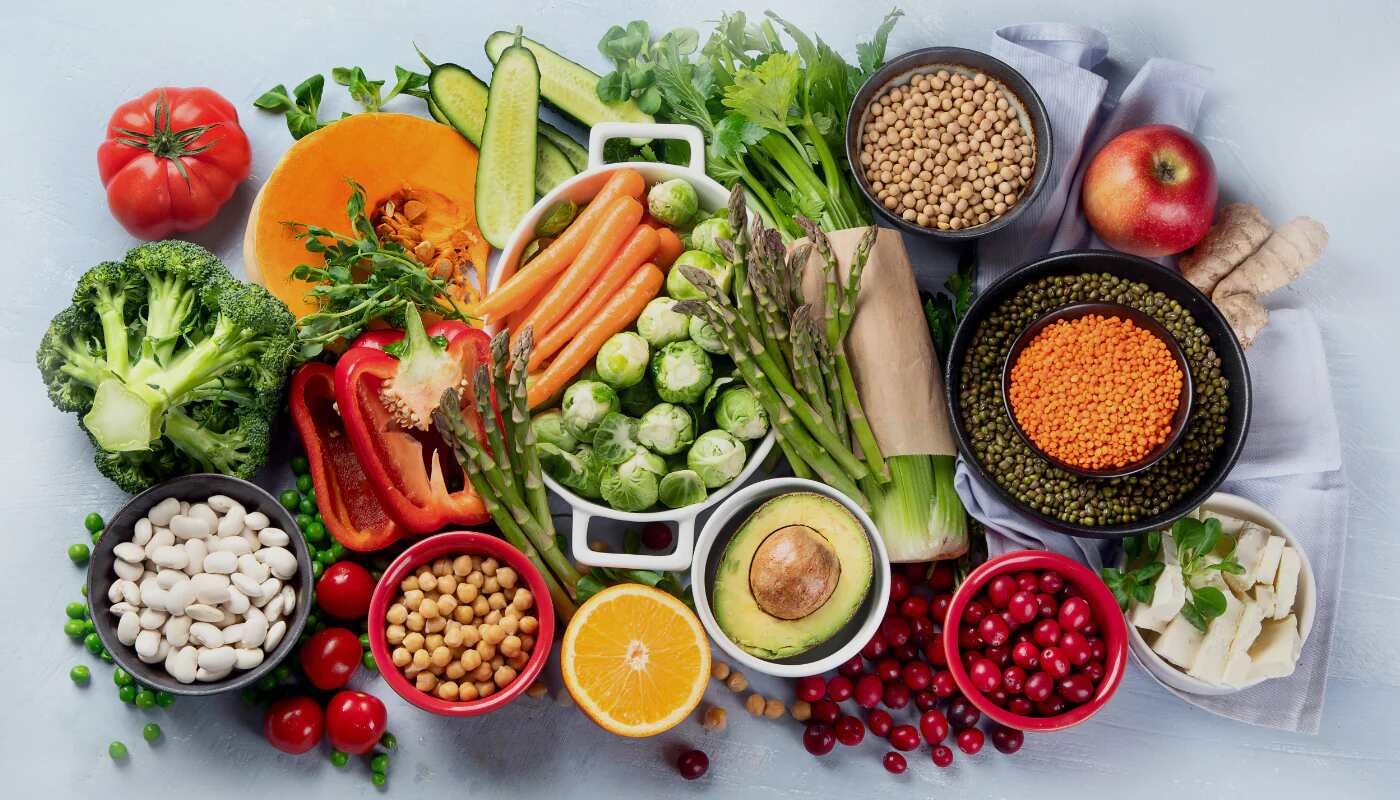
A well-structured Indian diet plan can include recipes for weight loss that are flavorful and satisfying. This meal plan highlights balanced meals and low fat Indian recipes crafted for healthy weight loss. These Indian dinner recipes use wholesome ingredients to keep you full and energized.
Now, let’s see how this 7-day plan supports your weight loss journey.
Day 1
Veg
-
Breakfast: Moong dal chilla with mint chutney, rich in protein and light on calories.
-
Lunch: Brown rice with mixed vegetable curry and cucumber raita, full of fiber and flavor.
-
Dinner: Grilled paneer with sautéed spinach and lemon juice dressing, high in protein and easy to digest.
Non-Veg
-
Breakfast: Scrambled eggs with fresh vegetables and a slice of whole wheat toast.
-
Lunch: Grilled chicken salad with olive oil and lemon juice dressing.
-
Dinner: Steamed fish curry with brown rice and a side of sautéed greens.
Day 2
Veg
-
Breakfast: Oats upma with peas and carrots, a high-fiber and satisfying meal.
-
Lunch: Chickpea salad with bell peppers, coriander, and cumin powder.
-
Dinner: Tofu stir fry with broccoli and sesame seeds for a complete protein source.
Non-Veg
-
Breakfast: Boiled eggs with green chilli omelet and tomato slices.
-
Lunch: Grilled chicken wrap with whole wheat roti and yogurt sauce.
-
Dinner: Egg curry with brown rice and vegetable soup.
Day 3
Veg
-
Breakfast: Vegetable poha with mustard seeds and a dash of lemon juice.
-
Lunch: Quinoa khichdi with moong dal and turmeric powder for steady energy.
-
Dinner: Palak paneer with multigrain roti and cucumber salad.
Non-Veg
-
Breakfast: Protein smoothie with banana, chia seeds, and almond milk.
-
Lunch: Chicken tikka with sautéed vegetables and fresh herbs.
-
Dinner: Grilled prawns with garlic, coriander powder, and a squeeze of lemon.
Day 4
Veg
-
Breakfast: Ragi dosa with coconut chutney, light yet nutrient-rich.
-
Lunch: Vegetable stir fry with tofu and brown rice.
-
Dinner: Bottle gourd soup with multigrain toast and chickpea salad.
Non-Veg
-
Breakfast: Egg whites with sautéed spinach and chopped green chilli.
-
Lunch: Grilled fish with quinoa and steamed vegetables.
-
Dinner: Chicken and lentil soup topped with coriander leaves.
Day 5
Veg
-
Breakfast: Smoothie bowl with oats, chia seeds, and mixed berries.
-
Lunch: Rajma curry with brown rice and a side of green salad.
-
Dinner: Grilled mushroom tikka with mint yogurt dip.
Non-Veg
-
Breakfast: Omelet with onions, tomatoes, and coriander leaves.
-
Lunch: Chicken curry with brown rice and lightly sautéed vegetables.
-
Dinner: Egg bhurji with whole wheat roti and vegetable soup.
Day 6
Veg
-
Breakfast: Vegetable oats porridge with a few chopped nuts.
-
Lunch: Paneer bhurji with multigrain roti and fresh salad.
-
Dinner: Clear vegetable soup with tofu cubes and lemon juice.
Non-Veg
-
Breakfast: Scrambled eggs with brown bread and sautéed vegetables.
-
Lunch: Fish tikka with mixed vegetable salad.
-
Dinner: Chicken stew with carrots, peas, and coriander powder.
Day 7
Veg
-
Breakfast: Millet upma with curry leaves and chopped green chilli.
-
Lunch: Sprouted moong salad with lemon juice and olive oil.
-
Dinner: Vegetable curry with quinoa and coriander garnish.
Non-Veg
-
Breakfast: Boiled eggs with avocado toast and tomato slices.
-
Lunch: Chicken soup with brown rice and fresh vegetables.
-
Dinner: Grilled fish fillet with garlic, cumin seeds, and steamed greens.
Want more flexible, flavor-packed meal ideas? Explore curated Indian recipes made for real results on MyBalanceBite
How This Plan Works for You
This seven-day plan balances flavor, nutrition, and calorie control. Each meal supports fat loss through whole grains, lean protein, and minimal oil. The recipes are designed to stabilize blood sugar, promote satiety, and improve metabolism.
By the end of the week, you will notice better digestion, consistent energy, and lighter meals that still satisfy your taste for Indian cuisine.
12 Spices That Boost Metabolism (The Secret Weapon in Indian Kitchens)
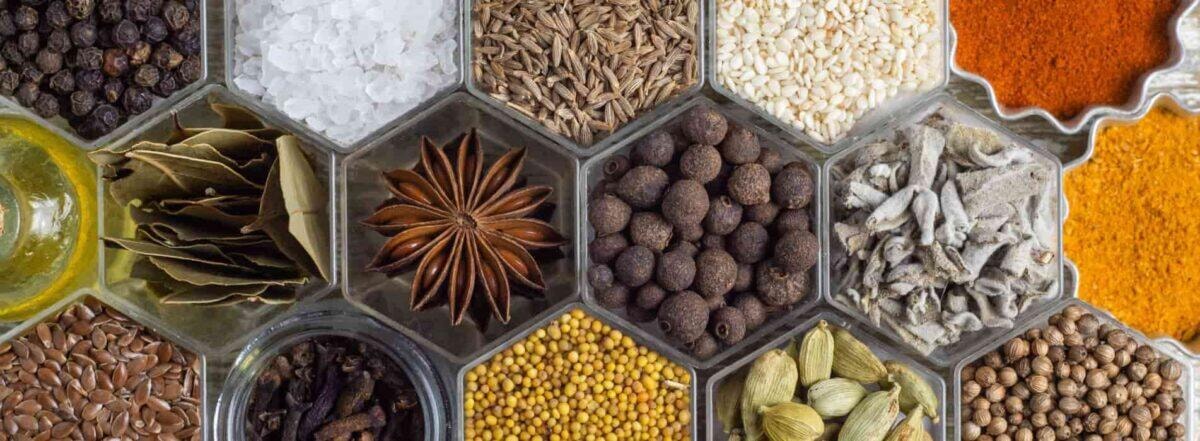
Aromatic spices are the heart of Indian cuisine and play a key role in supporting weight loss. Using aromatic Indian spices like cumin seeds, coriander powder, and turmeric powder adds depth and boosts metabolism. These essential vitamins and nutrients make healthy meals exciting.
Now, we’ll uncover each spice and its unique benefits.
1. Turmeric
Turmeric powder is an aromatic spice that promotes healthy weight and supports digestion. It adds color, flavor, and anti-inflammatory benefits to classic Indian dishes. Understanding how turmeric aids fat burn and gut health will help you use it smartly.
2. Cumin
Cumin seeds and cumin powder enrich Indian food with flavor and aid digestion. These aromatic spices also help regulate metabolism for supporting weight loss. They’re easy to include in any balanced diet.
3. Cinnamon
Cinnamon is an aromatic spice known for promoting healthy weight and balancing blood sugar levels. Adding it to healthy meals enhances flavor and helps maintain energy. It’s perfect for both sweet and savory Indian recipes.
4. Black Pepper
Black pepper, one of the oldest aromatic spices, helps increase metabolism and nutrient absorption. It’s a simple way to spice up Indian cuisine while supporting weight loss. Its role in healthy eating goes beyond taste.
5. Fenugreek
Fenugreek seeds contain healthy fats that assist in maintaining a balanced diet and regulating appetite. They’re easy to add to your home cooked meals and great for promoting weight loss naturally.
6. Ginger
Ginger and ginger garlic paste bring a zesty kick to Indian cuisine while improving digestion. This aromatic ingredient complements nutrient dense foods and enhances flavor without adding calories.
7. Cardamom
Cardamom adds fragrance, essential vitamins, and a calming touch to Indian food. It supports digestion and can help sustain healthy weight loss. Its unique aroma enhances both desserts and savory dishes.
8. Cayenne Pepper
Cayenne pepper contains red chilli powder compounds that stimulate metabolism and promote fat burn. It brings heat and excitement to your healthy meals without adding calories. Let’s uncover how this fiery spice supports a strong weight loss diet plan.
9. Mustard Seeds
Mustard seeds are rich in essential nutrients that support digestion and boost calorie burn. They give texture and aroma to Indian recipes for weight loss.
10. Cloves
Cloves are aromatic Indian spices that improve metabolism and add depth to healthy dinner recipes. A pinch can enhance both flavor and nutrition.
11. Fennel Seeds
Fennel seeds are packed with essential vitamins and aid digestion after heavy Indian meals. They’re light, refreshing, and subtly sweet, supporting healthy eating habits.
12. Coriander
Coriander powder brightens your dishes while improving metabolism and supporting weight loss. It’s a staple in balanced Indian cooking that ties together many recipes for weight loss.
Love spices as much as we do? Find everyday ways to use them in your kitchen at MyBalanceBite and make every meal work for your goals
The Core Principles That Make This Indian Weight Loss Plan Effective
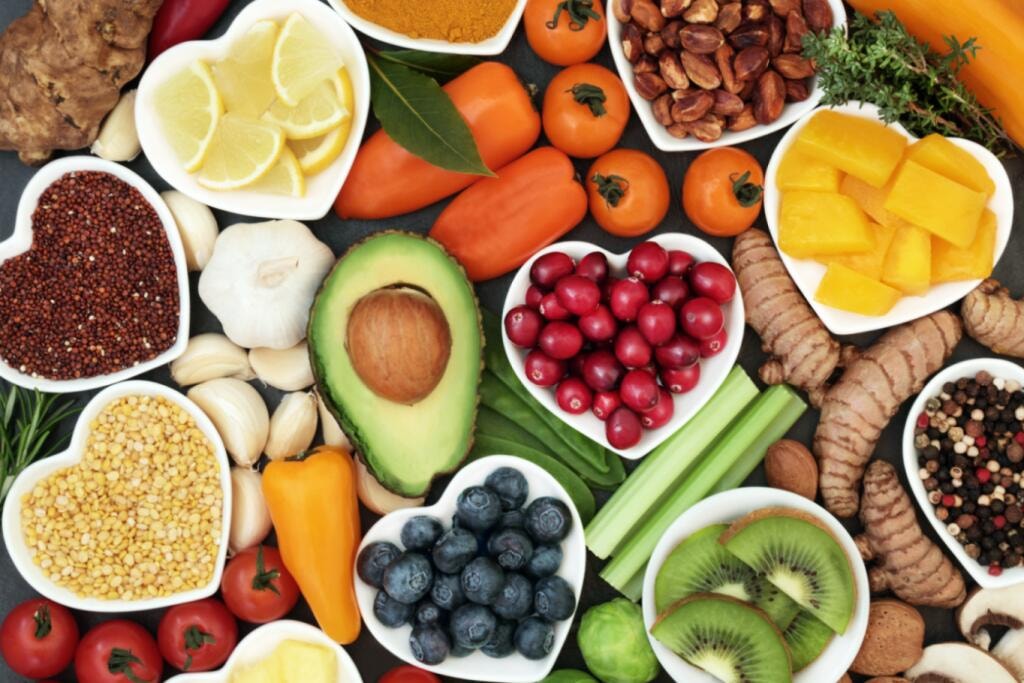
A successful weight loss diet plan depends on maintaining a balanced diet and healthy eating habits. By including lean protein, healthy fats, and nutrient dense foods, you support a healthy weight and sustainable results. These balanced meals rely on wholesome ingredients and a steady calorie deficit.
Let’s uncover these core principles one by one.
1. Balanced Macronutrient Ratio
A balanced diet needs the right mix of carbs, lean protein, and healthy fats. Each nutrient plays a role in supporting weight loss and providing essential nutrients your body needs. Building balanced meals ensures long-term success.
How to achieve it:
-
Fill half your plate with vegetables or salads.
-
Keep one-fourth for lean protein like paneer, tofu, or eggs.
-
Use the remaining one-fourth for whole grains or complex carbs.
-
Add small amounts of healthy fats such as olive oil or nuts.
Balancing macronutrients maintains steady energy and prevents overeating. The right ratio helps the body use food efficiently for fat loss and recovery.
2. Portion Control and Mindful Eating
Eating mindfully helps manage calorie deficit while keeping meals enjoyable. Portion control prevents overeating even when food is nutrient dense. Small, intentional changes in how you eat healthy can transform results.
Practice this daily:
-
Use smaller plates to control serving size.
-
Eat slowly and stop when 80 percent full.
-
Avoid distractions while eating, especially screens.
-
Listen to hunger cues before reaching for seconds.
Mindful eating creates awareness and control. It trains your body to recognize satisfaction, not fullness, as the endpoint of a meal.
3. Focus on Whole, Unprocessed Foods
Choosing whole, unprocessed foods fills your diet with essential nutrients and supports healthy weight management. These nutrient dense foods keep you satisfied longer and promote steady energy.
Start simple:
-
Replace packaged snacks with fresh fruit or nuts.
-
Choose brown rice, millets, and whole wheat over refined grains.
-
Eat fresh vegetables in every meal.
-
Avoid foods with long ingredient lists and additives.
Whole foods give your body clean fuel. Over time, they improve digestion, energy, and appetite control naturally.
4. High-Protein, Moderate-Carb, Low-Fat Approach
Adding lean protein builds muscle and keeps you full, while moderate carbs and limited fats maintain balance. This combination supports fat burn and better metabolism.
Apply this principle:
-
Include eggs, paneer, lentils, or chicken in each meal.
-
Choose slow-digesting carbs like oats, quinoa, and sweet potato.
-
Cook with small amounts of olive oil or ghee.
-
Skip deep-fried or sugary foods.
This balance helps reduce cravings and maintain muscle during weight loss. It creates a sustainable pattern instead of short-term restriction.
5. Inclusion of Fibre-Rich Ingredients
Fiber improves digestion, slows hunger, and helps regulate blood sugar. It plays a key role in natural and lasting weight loss.
Ways to increase fiber:
-
Eat vegetables and fruits with skins when possible.
-
Choose whole grains like oats, barley, and brown rice.
-
Add chia seeds or flaxseeds to breakfast.
-
Include legumes such as beans, lentils, and chickpeas.
A fiber-rich diet keeps you fuller longer and supports gut health. It is one of the easiest habits for better weight control.
6. Smart Cooking Methods (Grilling, Steaming, Air-Frying)
Cooking methods determine how healthy your food truly is. Grilling, steaming, and air-frying preserve nutrients and cut unnecessary calories.
Healthier cooking habits:
-
Grill paneer, chicken, or vegetables instead of frying them.
-
Steam vegetables to retain vitamins and minerals.
-
Use air fryers to enjoy crisp textures with less oil.
-
Limit reheating to avoid nutrient loss.
These methods deliver flavor without excess fat. They help maintain both nutrition and taste in everyday meals.
7. Limited Use of Oil and Sugar
Reducing oil and sugar keeps your calorie intake under control. It supports your metabolism and overall heart health.
Smart adjustments:
-
Measure oil before use, never pour freely.
-
Replace sugar with jaggery or honey in moderation.
-
Cook vegetables with minimal oil to keep them light.
-
Avoid sugary drinks and processed desserts.
Controlling these two ingredients can transform your results. It helps build awareness and discipline without sacrificing flavor.
8. Hydration and Herbal Drinks
Hydration aids digestion, energy levels, and metabolism. Herbal drinks like green tea or infused water add extra support.
Stay consistent:
-
Drink at least eight glasses of water daily.
-
Start your morning with warm water and lemon juice.
-
Sip herbal teas between meals.
-
Limit caffeine and sugary beverages.
Proper hydration improves focus and helps control hunger. It is one of the simplest habits for steady progress.
9. Consistent Meal Timing
When you eat matters almost as much as what you eat. Regular meal timing stabilizes energy and supports better nutrient absorption.
Follow this rhythm:
-
Eat breakfast within one hour of waking up.
-
Keep lunch and dinner roughly four to five hours apart.
-
Avoid eating heavy meals late at night.
-
Stick to consistent timing even on weekends.
Consistency builds rhythm for digestion and metabolism. Your body performs best when it knows what to expect.
10. Seasonal and Local Food Choices
Seasonal and local foods are fresher, more nutrient dense, and often easier to digest. They align naturally with your body’s needs.
Choose wisely:
-
Buy fruits and vegetables available in your region.
-
Use spices and herbs native to your area.
-
Eat foods that grow in the current season.
-
Support local farmers and produce markets.
Local, seasonal choices improve taste and sustainability. They ensure your meals stay wholesome and in tune with nature.
11. Incorporation of Metabolism-Boosting Spices
Spices not only flavor your food, they also support metabolism and digestion. Using them correctly enhances both taste and results.
Add these regularly:
-
Use cumin and turmeric for better digestion.
-
Sprinkle black pepper or cinnamon to aid fat burn.
-
Add ginger and cardamom for flavor and freshness.
-
Include mustard seeds or fennel after meals.
These spices bring warmth, aroma, and metabolic benefits. They make every meal a natural tool for healthy weight management.
12. Flexibility for Vegetarian and Non-Veg Preferences
A successful diet respects personal choices and food preferences. Flexibility ensures long-term consistency and enjoyment.
How to stay adaptable:
-
Mix plant and animal proteins as per your needs.
-
Replace meat with tofu, paneer, or lentils when required.
-
Keep the same spice base for both versions of a dish.
-
Adjust portion size instead of removing food groups.
Flexibility builds sustainability and confidence. It helps you follow your plan without feeling restricted or deprived.
Smart Habits That Accelerate Weight Loss on an Indian Meal Plan
Building smart habits helps turn your Indian meal plan into a lifestyle. Start your day with fresh vegetables or scrambled eggs for protein, sip water with chia seeds for hydration, and end with a light vegetable soup or healthy salad. These delicious recipes fit every goal.
Let’s explore these smart choices in depth.
1. Start Your Morning Right
Simple habits to follow:
-
Drink warm water with lemon juice to wake up your metabolism.
-
Eat a protein-rich breakfast such as scrambled eggs or moong dal chilla.
-
Add a few fresh vegetables or herbs for fiber and nutrients.
-
Avoid sugary tea or refined carbs early in the day.
A balanced breakfast helps maintain steady energy and curbs mid-morning hunger. It sets a positive tone for the rest of the day.
2. Plan Balanced, Portion-Controlled Meals
Build each meal with:
-
One serving of lean protein like paneer, lentils, or fish.
-
Plenty of vegetables cooked with minimal oil.
-
One small portion of whole grains such as brown rice or millets.
-
Limited sauces and dressings high in sugar or fat.
Meal planning prevents impulsive eating and supports consistent calorie control. It keeps nutrition balanced without adding stress to your day.
3. Stay Hydrated Throughout the Day
Keep hydration consistent:
-
Drink a glass of water every hour during the day.
-
Infuse water with cucumber, mint, or lemon for added freshness.
-
Sip herbal teas like green or chamomile between meals.
-
Include chia seeds or coconut water for electrolyte balance.
Hydration supports digestion, reduces cravings, and maintains focus. It is one of the simplest yet most powerful habits for fat loss.
4. Snack Smart and Eat Mindfully
Choose better snack options:
-
Opt for roasted chana, nuts, or vegetable sticks instead of fried snacks.
-
Pair snacks with protein, such as yogurt or hummus, to stay full longer.
-
Eat slowly and chew properly to aid digestion.
-
Avoid multitasking while eating.
Mindful snacking prevents overeating and keeps energy steady. You stay satisfied without adding unnecessary calories.
5. Keep Dinner Light and Early
For a better evening routine:
-
Eat dinner at least two to three hours before bed.
-
Include soups, salads, or grilled vegetables for easy digestion.
-
Avoid heavy curries and refined carbs at night.
-
Limit dessert or late-night snacking.
An early, light dinner supports better sleep and smoother digestion. It helps your body recover efficiently overnight.
6. Stay Consistent with Physical Activity
Incorporate movement daily:
-
Walk after meals for 10 to 15 minutes.
-
Combine cardio with light strength training for best results.
-
Practice yoga or stretching to improve flexibility and reduce stress.
-
Keep activity enjoyable and realistic.
Physical activity complements your diet by increasing calorie burn and metabolic strength. Consistency matters more than intensity.
7. Get Enough Rest and Recovery
Prioritize sleep and relaxation:
-
Aim for seven to eight hours of sleep every night.
-
Keep a fixed bedtime routine and avoid screens before sleep.
-
Practice deep breathing or meditation for mental clarity.
-
Stay relaxed to prevent stress-related cravings.
Adequate rest supports metabolism and hormone balance. It ensures your body recovers well and stays aligned with your weight goals.
Building better habits starts with small, smart choices. Get habit-based nutrition and recipe ideas that fit your lifestyle at MyBalanceBite
Avoid These Common Mistakes That Ruin Your Healthy Indian Meals

Even the healthiest Indian cuisine can go wrong if you overuse oil or overcook ingredients. Balancing aromatic spices, wholesome ingredients, and minimal oil ensures your favorite Indian foods stay nutritious. Adding fresh vegetables or a healthy salad to dinner recipes keeps flavor alive.
Now, let’s explore what mistakes to avoid for a truly healthy dinner.
1. Using Too Much Oil in the Name of “Good Fats”
Too much olive oil or ghee can undo your progress. Keep it light and use minimal oil for authentic taste without overload. When cooking classic Indian dishes, a drizzle is plenty. Let’s uncover simple techniques to cook healthy and still make it taste amazing.
Smart cooking adjustments:
-
Measure oil with a spoon instead of pouring directly.
-
Use olive oil or mustard oil sparingly for sautéing.
-
Switch to grilling or steaming when possible.
-
Avoid reheating fried foods multiple times.
Limiting oil does not mean losing flavor. With minimal oil, your food stays aromatic, crisp, and light enough to support steady progress.
2. Overloading on Carbs Like Rice and Rotis
Favorite Indian foods like rice and rotis can easily dominate the plate. Replace a portion with fresh vegetables or a bowl of vegetable soup to balance your meal. Smart swaps can save calories and add nutrients. Let’s dig into the best replacements for a balanced, satisfying plate.
Simple balance tips:
-
Fill half your plate with fresh vegetables or a small salad.
-
Replace half your rice with cauliflower rice or brown rice.
-
Choose multigrain or wheat flour rotis instead of refined ones.
-
Limit carb-heavy dishes during evening meals.
Balanced carbs provide energy without fat storage. Smart swaps keep your plate colorful, lighter, and more nutritious.
3. Ignoring Protein in Every Meal
A balanced dinner needs protein, whether from gram flour chillas, paneer, or scrambled eggs. They keep you full and help maintain muscle. Even simple Indian dinner recipes benefit from a protein punch. Let’s look at creative ways to sneak more protein into your meals.
Add protein intentionally:
-
Include paneer, tofu, or eggs in at least two meals.
-
Use gram flour to make chillas or savory pancakes.
-
Add lentils or sprouts to salads for extra amino acids.
-
Combine grains and legumes for complete protein.
Protein builds muscle and improves satiety. Even small additions in every meal create a stronger, leaner foundation for weight loss.
4. Assuming “Home-Cooked” Automatically Means Healthy
Home-cooked doesn’t always equal healthy. Even classic Indian dishes can be drenched in butter or fried until golden brown. Instead, focus on fresh vegetables and clean cooking to make your meals lighter. Now, let’s learn how to make home-cooked truly mean wholesome.
Keep home meals clean:
-
Avoid deep-frying or cooking until ingredients turn golden brown.
-
Reduce butter, cream, and excessive salt.
-
Use fresh vegetables, not packaged sauces or bases.
-
Taste before adding extra oil or seasoning.
Home-cooked food is healthy only when ingredients and methods are mindful. Simplicity keeps your meals honest and nourishing.
5. Deep-Frying Instead of Grilling or Steaming
Deep-fried foods may look tempting, but grilling or steaming keeps taste buds happy and calories lower. Adding green chili and aromatic spices enhances flavor without extra fat. Serve hot for the best aroma and experience. Let’s dive into why light cooking methods work better.
Better ways to cook:
-
Steam idlis, dhokla, or fish for softer, low-fat meals.
-
Grill paneer, mushrooms, or chicken with aromatic spices.
-
Use an air fryer for crisp texture with less oil.
-
Add green chili and herbs to elevate taste naturally.
Grilling and steaming preserve flavor while cutting fat. Serve hot for the best aroma and freshness without guilt.
6. Skipping Portion Control Because It’s “Healthy” Food
Even a healthy salad or light curry can go overboard if the portions are too large. Controlling portions makes every bite more meaningful and keeps dinner recipes balanced. Let’s learn how to plate smarter without losing satisfaction.
Control serving sizes smartly:
-
Use smaller bowls and plates to guide portions.
-
Eat slowly and check hunger before taking seconds.
-
Track snacks even if they are healthy.
-
Avoid piling up curries or rice just because it’s home-cooked.
Healthy food still has calories. Balanced portions make every bite more meaningful and prevent silent overeating.
7. Ignoring Hidden Sugars in “Healthy” Snacks and Drinks
Some healthy Indian dinner recipes hide sugars in chutneys or sauces. Replacing them with fresh vegetables or light dressings keeps the meal clean. Awareness turns good intentions into great results. Now, let’s uncover where those sneaky sugars hide.
Stay alert to sugar traps:
-
Check labels on packaged juices, protein bars, or sauces.
-
Use fresh vegetables instead of sugary chutneys or dips.
-
Skip sweetened yogurt or ready-made dressings.
-
Opt for water, herbal tea, or unsweetened drinks.
Small sugar sources add up quickly. Awareness turns average meals into truly clean, balanced choices that align with your goals.
FAQ'S
1. Can I still enjoy Indian desserts while trying to lose weight?
Yes! You don’t have to skip all sweets. Try jaggery kheer or yogurt shrikhand after a nutritious Indian dinner for balance. Squeeze a little lemon juice in warm water before dessert, it helps digestion and refreshes your palate. Moderation keeps your diet clean and your cravings satisfied.
2. What are some quick Indian snacks for weight loss?
Healthy snacking is easy with roasted chana, fresh veggies, or a light chickpea salad spiced with green chilli. These simple options curb cravings and give you protein and fiber. They’re perfect for quick bites or evening meals that keep energy steady.
3. Is it okay to eat rice while following an Indian weight loss diet?
Yes! Just switch to brown rice and control portions. It’s rich in fiber and essential amino acids, making it a great fit for a balanced Indian plate. Pair it with lentils or stir-fried veggies to create a satisfying meal that fuels you without guilt.
4. How can I make traditional Indian meals more weight-loss friendly?
Start small, cook vegetables in minimal oil, replace heavy sauces with herbs and lemon juice, and use air-frying instead of deep-frying. These tweaks keep your food tasty but light. Small swaps help you enjoy rich Indian cuisine while staying on track.
5. Can intermittent fasting work with an Indian diet plan?
Definitely! Plan your fasting windows wisely. Have Indian breakfast recipes like oats upma or poha for your first meal, and choose healthy breakfast options packed with fresh veggies and protein. End the day with light soups or salads to support your rhythm.
Conclusion
You’ve made it this far, which already says a lot about your intent to take control of your health. Most people stop at wanting to change, but you’ve gone a step further, you’ve learned how to.
Now it’s time to move from reading to doing. Start small, pick one recipe, cook it with focus, and eat it like you mean it. Real transformation doesn’t come from drastic shifts but from steady, mindful choices that stack up day after day.
Your kitchen already has everything you need, the flavors, the tools, and now, the knowledge. So tie that apron, trust your effort, and make this the moment your journey toward a stronger, lighter, more confident you truly begins.
Ready to turn all this knowledge into action? Visit MyBalanceBite and start transforming your meals, one balanced bite at a time


Leave a comment
Translation missing: en.blogs.comments.discription