

Stay fit and energized with our 1000 calories diet plan (Indian style). Delicious, balanced, and perfect for lasting fat loss.
You have been eating clean, hitting the gym, and saying no to all your favorite foods, but the weight just will not move. It feels like you are doing everything right and still stuck in the same place. That kind of frustration can make anyone want to quit.
The problem is not you. Most diets are too strict and too hard to follow for real life. You need a simple plan that lets you eat real Indian food and still lose weight. A plan that helps you stay full, feel good, and see the scale finally move.
That is exactly what this article will give you. You will learn how a 1000 calories diet plan made for Indian meals can help you burn fat faster, eat smarter, and keep your energy high. By the end, you will know exactly how to start and make this plan work for you.
Is It Safe to be on a 1000 Calorie Diet Plan ?
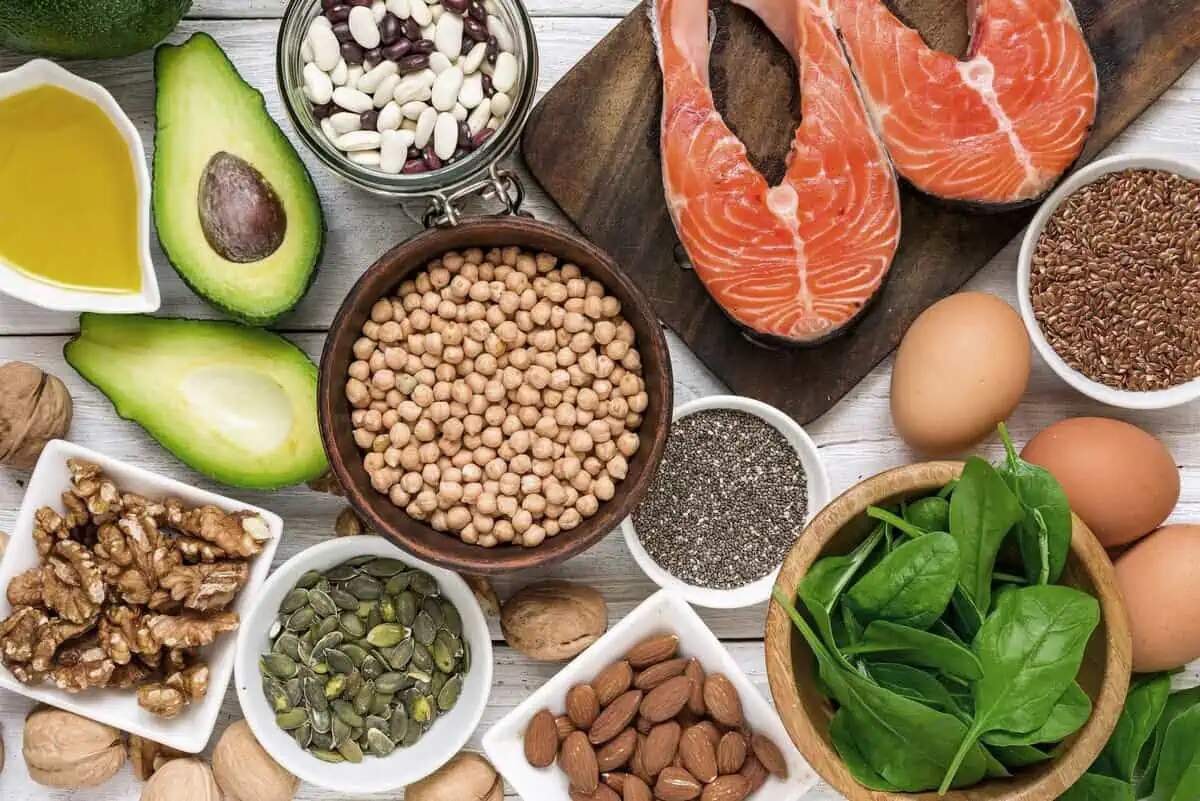
A 1000 calorie diet is a form of caloric restriction often seen as a very low calorie diet. While it can promote quick results, it may carry health risks if not followed under medical supervision. It’s best to consult a healthcare professional, especially for heart health or chronic diseases.
Now, let’s explore how safe this approach really is.
-
A 1000 calorie diet limits energy intake sharply, which can cause fatigue and weakness if followed for too long.
-
It often fails to meet basic nutritional needs, leading to possible nutrient deficiencies and slower metabolism.
-
People with heart health issues, diabetes, or chronic diseases should avoid it without a healthcare professional’s advice.
-
Losing muscle mass is common when calories are too low, making long-term weight management harder.
-
Short-term use under medical supervision can be safe for certain individuals but is not ideal as a permanent solution.
In simple terms, a 1000 calorie diet can help with quick weight loss but is not completely safe for everyone. It works best as a short, monitored plan rather than a long-term lifestyle.
What Happens to Your Body on a 1000 Calorie Diet
Cutting calories so drastically impacts muscle mass, stored fat, and overall health. Your blood sugar may fluctuate, and nutrient deficiencies can appear, leading to fatigue or slower recovery. Some people experience rapid weight loss, while others face metabolic disorders or metabolic diseases.
Let’s understand how your body truly reacts to this kind of restriction.
-
When calorie intake drops too low, the body lowers its metabolism to conserve energy.
-
In this state, it burns both stored fat and muscle mass, leading to slower fat loss over time.
-
Fluctuating blood sugar can cause mood swings, tiredness, and cravings throughout the day.
-
Prolonged restriction may also reduce hormone balance, affecting sleep and digestion.
-
Many people experience a plateau as the body adjusts and resists further fat loss.
A 1000 calorie diet changes how your body functions at every level. Knowing these reactions helps you understand what’s really happening inside before committing to such a strict plan.
Craving real results without giving up flavor? Find smart Indian meal ideas on Balance Bite
Who Should and Shouldn’t Try a 1000 Calorie Diet
Not everyone should jump into a low calorie routine. Those with specific nutritional needs or heart disease must proceed only under medical supervision or guidance from a healthcare professional. It’s crucial for long-term weight management and to avoid unnecessary health risks.
Let’s see who truly benefits and who should think twice.
| Category | Who Can Try | Who Should Avoid |
|---|---|---|
| Health Condition | People with obesity under medical supervision | Individuals with diabetes, heart disease, or metabolic disorders |
| Medical Guidance | Those preparing for surgery and advised by a healthcare professional | Anyone without medical supervision or proper guidance |
| Activity Level | Adults with low physical activity levels and doctor-approved plans | Athletes or people doing strength training regularly |
| Nutritional Needs | Individuals needing short-term calorie restriction for specific health goals | Teenagers, pregnant or breastfeeding women |
| Health Risks | Short-term use with balanced nutrition and close monitoring | Anyone with nutrient deficiencies, chronic fatigue, or existing health risks |
A 1000 calorie diet can help certain people reach short-term goals, but it demands careful supervision and awareness. Knowing where you stand on this list helps you make a smart and safe choice for your health.
Your Complete 7-Day 1000 Calorie Diet Chart for Indian Meals

This structured meal plan features nutrient dense and balanced nutrition with a focus on lean proteins, vegetarian diet options, and nutrient dense foods. It includes wholesome staples like brown rice, greek yogurt, chia seeds, green tea, and herbal teas for flavor and vitality.
Let’s dive into the 7-day chart packed with variety and taste.
Vegetarian 1000 Calorie Diet Plan
| Day | Breakfast | Lunch | Snack | Dinner |
|---|---|---|---|---|
| Day 1 | Vegetable poha with 1 teaspoon oil and green tea. | 2 rotis with mixed vegetable curry and cucumber salad. | 1 apple. | Moong dal soup with sautéed spinach. |
| Day 2 | Besan chilla with mint chutney and sugar-free tea. | Vegetable khichdi with curd. | 5 soaked almonds. | 1 roti with lauki sabzi and dal. |
| Day 3 | Oats with skim milk and chia seeds. | Brown rice with rajma and a small salad. | 1 orange. | Vegetable dalia with sautéed beans. |
| Day 4 | Vegetable upma with black coffee. | 2 small rotis with chana masala and salad. | 1 glass buttermilk. | Palak paneer (low oil) with 1 roti. |
| Day 5 | 1 boiled sweet potato with green tea. | Brown rice with dal tadka and cabbage sabzi. | 1 banana. | Moong dal soup with sautéed broccoli. |
| Day 6 | Vegetable oats with chia seeds and black coffee. | 1 roti with mixed vegetable curry and curd. | 1 guava. | Vegetable upma with green tea. |
| Day 7 | 2 idlis with sambar and coconut chutney. | Vegetable pulao with curd. | 1 apple. | 1 roti with dal and spinach curry. |
Non-Vegetarian 1000 Calorie Diet Plan
| Day | Breakfast | Lunch | Snack | Dinner |
|---|---|---|---|---|
| Day 1 | 2 boiled eggs, 1 slice brown bread, black coffee | Brown rice, grilled chicken curry, salad | 1 orange | Clear chicken soup, sautéed vegetables |
| Day 2 | Scrambled eggs (1 whole + 1 white), veggies, green tea | 1 roti, egg curry, cucumber salad | 5 almonds | Grilled fish (100g), sautéed spinach |
| Day 3 | Veg omelette, 1 slice whole wheat toast | Brown rice, chicken curry, salad | 1 banana | Clear veg soup, boiled egg |
| Day 4 | 1 boiled egg, 1 apple, black coffee | 2 rotis, fish curry, stir-fried vegetables | 1 guava | Moong dal soup, grilled chicken strips |
| Day 5 | Toast with peanut butter, green tea | Veg pulao, egg bhurji | 1 cup buttermilk | Chicken soup, steamed vegetables |
| Day 6 | Veg omelette, black coffee | Brown rice, grilled fish, cucumber salad | 1 orange | 1 roti, egg curry, sautéed beans |
| Day 7 | 2 boiled eggs, green tea | Chicken curry, 1 roti, veg stir fry | 1 banana | Moong dal soup, roasted vegetables |
Vegan 1000 Calorie Diet Plan
Vegan 1000 Calorie Diet Plan
| Day | Breakfast | Lunch | Snack | Dinner |
|---|---|---|---|---|
| Day 1 | Oats in almond milk, chia seeds | Brown rice, mixed lentil curry, salad | 1 apple | Veg soup, sautéed spinach |
| Day 2 | Poha with veggies, minimal oil | 2 rotis, tofu curry, salad | 5 soaked almonds | Quinoa, sautéed broccoli, bell peppers |
| Day 3 | Veg upma, black coffee | Veg dalia, lentil curry | 1 orange | Brown rice, vegetable stew |
| Day 4 | Smoothie with soy milk, banana, flax seeds | 2 rotis, chana masala, salad | 1 guava | Moong dal soup, steamed beans |
| Day 5 | Boiled sweet potato, green tea | Quinoa khichdi, tofu, vegetables | 1 cup coconut water | Brown rice, spinach lentil curry |
| Day 6 | Veg oats porridge in soy milk | 1 roti, lauki sabzi, lentils | 1 apple | Clear veg soup, sautéed greens |
| Day 7 | Poha with peas, lemon | Brown rice, rajma, salad | 5 cashews | Quinoa bowl, stir-fried tofu, vegetables |
Bonus Tip
Each plan keeps you in a calorie deficit without cutting key nutrients. Stick to home-cooked, low-oil meals, hydrate well, and listen to your body.
Love these meal plans? Get more 1000-calorie Indian recipes at Balance Bite
Steps to Build Your own Safe and Sustainable 1000 Calorie Diet Plan
Creating a sustainable weight loss journey starts with balanced nutrition and nutrient dense foods that support overall health. It’s not about starving but meeting essential nutrients and keeping your weight management realistic.
Let’s look at each step to design a plan that helps you stay healthy while losing weight.
1. Calculate Your Calorie Deficit the Smart Way
To lose weight effectively, determine your daily caloric intake and maintain proper portion control. A realistic calorie deficit helps set up a balanced start for your weight loss journey.
Now, let’s see how you can find that sweet spot between eating enough and shedding pounds safely.
-
First, find your maintenance calories using an online calculator or by tracking your current food intake for a week.
-
Subtract 400–500 calories from your daily total to create a healthy calorie deficit that supports gradual fat loss.
-
Monitor your progress weekly, not daily, to account for water weight and natural fluctuations.
-
Focus on portion control rather than extreme restriction to keep energy levels stable.
-
Choose nutrient dense foods like vegetables, whole grains, and lean proteins to make every calorie count.
A well-measured calorie deficit helps you lose weight steadily without fatigue or cravings. Understanding this balance builds the foundation for sustainable fat loss and long-term results.
2. Prioritize Protein and Fiber for Fat Loss
High fiber foods and lean proteins are your best friends for fat loss. They aid digestion, help muscle maintenance, and support weight loss without energy crashes. Include lean meats and plant-based proteins to stay satisfied longer.
Let’s look deeper into how these nutrients keep your fat loss steady and sustainable.
-
Protein preserves muscle mass during calorie restriction and supports metabolism.
-
Fiber improves digestion, slows hunger, and stabilizes blood sugar throughout the day.
-
Add foods like lentils, eggs, tofu, beans, and greek yogurt for a steady source of protein.
-
Include fiber-rich vegetables, oats, and chia seeds to stay full for longer.
-
Balance both nutrients across meals to reduce cravings and improve nutrient absorption.
When protein and fiber work together, your body burns fat more efficiently and stays satisfied. This combination makes your 1000 calorie diet easier to follow without feeling deprived.
3. Plan Balanced Meals for the 1000 Calorie Diet
Balanced nutrition is all about choosing nutrient dense foods that provide essential nutrients in every meal. A structured meal plan ensures a healthy weight loss journey that’s sustainable.
Let’s see how to plan each meal smartly so your calories count without compromising on nutrition or satisfaction.
-
Divide your calories across three main meals and one light snack to avoid energy dips.
-
Fill half your plate with vegetables, one quarter with lean proteins, and one quarter with whole grains.
-
Include healthy fats from nuts, seeds, or olive oil to support nutrient absorption.
-
Avoid processed foods and focus on whole, natural ingredients for better digestion.
-
Track your meals for consistency and adjust portions based on progress.
Planning balanced meals creates structure and control, ensuring your 1000 calorie diet stays practical and nourishing.
4. Cut Down on Fried Foods and High Calorie Condiments
Fried foods, creamy dressings, and oily snacks add empty calories and sabotage progress. Watch out for high calorie condiments, potato fries, processed foods, and packaged snacks that sneak in excess fat.
Let’s uncover smart swaps that let you enjoy flavor while keeping your calorie count under control.
-
Replace fried snacks with baked or air-fried versions to reduce oil intake.
-
Use curd or mustard instead of mayonnaise or creamy dressings for fewer calories.
-
Avoid oily snacks and opt for roasted chana or nuts in moderation.
-
Limit sauces like ketchup and creamy dips that hide added sugars and oils.
-
Cook with minimal oil using methods like steaming, grilling, or sautéing.
Cutting back on fried foods and condiments helps reduce unhealthy fats and keeps your calorie deficit consistent. Small swaps make a big impact on your fat loss progress.
5. Limit Artificial Sweeteners and Sugary Cravings
Artificial sweeteners and sugary drinks can mess with your blood sugar and cravings. Even fruit juices and added sugars can pile up calories fast. The trick lies in moderation and smart replacements.
Let’s go further to explore how to balance sweetness without derailing your 1000 calorie diet.
-
Artificial sweeteners may reduce calories short term but can increase sugar cravings over time.
-
Replace sugary drinks with green tea, lemon water, or herbal teas to stay hydrated.
-
Choose fresh fruit over packaged juices for natural sweetness and fiber.
-
Avoid added sugars in sauces, cereals, and flavored yogurts by reading labels carefully.
-
Use small amounts of honey or jaggery only when necessary.
Managing sweetness helps stabilize energy levels and reduces unnecessary calorie spikes. Balanced moderation keeps your 1000 calorie diet both effective and sustainable.
6. Keep Micronutrients in Check to Prevent Hair Loss
Hair loss often signals nutrient deficiencies. Keep an eye on essential nutrients and nutrient dense foods to nourish your scalp and improve overall health. Balanced eating ensures you provide your body with what it truly needs.
Let’s dive deeper into how to protect your hair and vitality while staying in a calorie deficit.
-
A 1000 calorie diet may limit key nutrients like iron, zinc, and biotin that support hair strength.
-
Include foods rich in vitamins A, C, D, and E to improve scalp health.
-
Eat leafy greens, nuts, seeds, and legumes to cover daily micronutrient needs.
-
Add lean proteins and healthy fats to promote hair growth and shine.
-
Avoid skipping meals to ensure a consistent supply of essential nutrients.
Meeting micronutrient needs prevents hair loss and supports overall vitality during fat loss. Proper nourishment helps your diet strengthen both body and confidence.
Tips to Manage Artificial Sweeteners and Sugar Cravings in a 1000 Calorie Diet
Artificial sweeteners, sugary drinks, and added sugars can sneak into daily food habits and affect your blood sugar levels. Managing them wisely prevents overeating and stabilizes cravings. Let’s explore practical strategies that make sweet control easier without losing satisfaction.
1. Identify Hidden Sources of Artificial Sweeteners
Artificial sweeteners lurk in many processed foods, from protein bars to soft drinks. Spotting these sources early helps you stay in control of your calorie intake.
Now, let’s dig deeper into where these hidden sugars come from and how to avoid them effortlessly.
-
Artificial sweeteners are often added to foods labeled “low-calorie” or “diet-friendly.”
-
Read ingredient lists carefully for names like sucralose, aspartame, saccharin, and acesulfame K.
-
Protein powders, salad dressings, and flavored yogurts often contain them.
-
Even foods like bread and ketchup may include sweeteners to enhance flavor.
-
Choose whole or minimally processed foods to reduce unnecessary additives.
Recognizing hidden sweeteners helps you take charge of your diet and stay closer to your calorie goals without surprises.
2. Limit Packaged “Sugar-Free” Foods and Drinks
Packaged sugar-free items often have artificial sweeteners and chemical fillers that spike cravings later. Limiting them keeps your blood sugar more stable.
Let’s look at how to make smarter drink and snack choices to keep your 1000 calorie diet truly clean.
-
Sugar-free drinks may cut calories but still trigger sweet cravings.
-
These products can confuse hunger hormones, making portion control harder.
-
Replace packaged options with fresh snacks like fruits, nuts, or roasted chana.
-
Prefer plain water, green tea, or black coffee over diet sodas.
-
Homemade snacks give you better control over ingredients and calories.
By cutting back on “sugar-free” processed foods, you keep your blood sugar balanced and your weight loss journey smoother.
3. Choose Natural Sweeteners in Moderation
Opt for honey or stevia instead of added sugars. Natural sweeteners keep calories low and taste intact. The key is moderation, not elimination.
Let’s explore how small changes in your sweet choices can make a big difference.
-
Stevia and monk fruit sweeteners provide sweetness without spiking blood sugar.
-
Use honey, jaggery, or date syrup sparingly for natural flavor.
-
Avoid adding them to every drink or dish, as calories can still add up.
-
Choose raw, unprocessed versions for better nutrient content.
-
Gradual reduction helps your palate adjust to less sweetness naturally.
Using natural sweeteners smartly gives you sweetness when needed without derailing your calorie deficit or progress.
4. Train Your Taste Buds to Enjoy Less Sweetness
Over time, your taste buds adapt to fewer sugars and fewer calories. This shift makes real food taste better naturally. Let’s find out how mindful eating helps reset your sugar tolerance for good.
-
Cut sugar gradually instead of quitting overnight to avoid rebound cravings.
-
Eat slowly and focus on flavors to let your senses adjust.
-
Add spices like cinnamon or cardamom for sweetness without sugar.
-
Avoid adding sweeteners to foods that don’t need them, like salads or soups.
-
Stay consistent for two to three weeks to reset your taste preferences.
Training your taste buds builds long-term control and helps you enjoy the natural flavor of foods again.
5. Balance Sweet Cravings with Protein and Fiber
Protein and fiber stabilize blood sugar and reduce the urge for sugary drinks or snacks. Adding lean proteins and high fiber foods helps control cravings effectively.
Let’s explore the best food combos that keep you full and satisfied.
-
Pair fruit with a protein source like yogurt, nuts, or seeds.
-
Add high fiber vegetables to every meal to improve fullness.
-
Choose whole grains over refined carbs to manage cravings better.
-
Lean proteins like eggs, tofu, or paneer help maintain steady energy.
-
Small, balanced meals prevent sugar crashes throughout the day.
Combining protein and fiber helps curb cravings naturally, keeping your diet on track without relying on sweet fixes.
6. Stay Hydrated to Reduce Sugar Cravings
Thirst often masquerades as sugar cravings. Drinking water or herbal teas keeps blood sugar balanced and helps avoid unnecessary snacking.
Let’s see how hydration supports your sweet control and overall diet success.
-
Drink a glass of water whenever you feel an urge for sweets.
-
Keep herbal teas or infused water nearby to sip through the day.
-
Dehydration can lower energy, making sugary foods seem more tempting.
-
Limit fruit juices and soft drinks that add empty calories.
-
Use water as your first response to cravings, not snacks.
Proper hydration stabilizes appetite and improves digestion, helping you stay on track with your 1000 calorie diet.
7. Manage Stress and Sleep to Prevent Emotional Eating
Poor sleep and stress raise blood sugar and hunger hormones, pushing you toward sugary foods. Managing rest helps maintain balance in your food habits.
Let’s dive into how better recovery improves your willpower against cravings.
-
Lack of sleep reduces leptin and raises ghrelin, increasing hunger.
-
Stress triggers cortisol, which boosts sugar and fat cravings.
-
Establish a bedtime routine and aim for 7–8 hours of rest daily.
-
Practice deep breathing, journaling, or walks to manage stress.
-
Balanced rest supports mindful eating and emotional control.
Quality sleep and calm routines keep your food choices steady and your cravings in check.
8. Gradually Reduce Dependence on Artificial Sweeteners
Cutting down artificial sweeteners slowly helps your taste buds reset and stabilizes blood sugar over time. This gradual shift supports healthier food habits.
Let’s learn how to make this transition smooth and lasting.
-
Start by replacing half your sweetened drinks with water or tea.
-
Reduce usage weekly rather than quitting abruptly.
-
Focus on naturally sweet foods like fruits instead of packaged sweets.
-
Track how cravings decrease as your intake lowers.
-
Maintain consistency for long-term results and better metabolic balance.
Reducing artificial sweeteners progressively makes the change sustainable and restores your body’s natural response to real sweetness.
Common Mistakes on a 1000 Calorie Diet and How to Avoid Them

A low calorie diet can backfire if you ignore portion control or fill it with unhealthy fats, saturated fats, and processed foods. Rapid weight loss might cost muscle mass and cause nutrient deficiencies.
Let’s go through the biggest mistakes people make and how you can avoid extra pounds the smart way.
1. Skipping Meals to Save Calories
Skipping meals might look like a clever way to boost weight loss efforts, but it usually slows metabolism and leads to overeating later. It can also cause fatigue and nutrient imbalance that makes progress stall.
Let’s see why eating regularly, even on a vegetarian diet plan, supports steady and healthy fat loss.
-
Skipping meals lowers blood sugar and causes energy crashes during the day.
-
The body responds by holding on to stored fat and burning fewer calories.
-
Long gaps between meals increase cravings and the likelihood of overeating later.
-
Consistent meal timing supports better digestion and balanced hormones.
-
Even small meals help maintain metabolism and prevent nutrient gaps.
Eating at regular intervals supports steady energy, helps burn fat efficiently, and keeps your vegetarian diet plan sustainable long term.
2. Ignoring Protein and Fiber Intake
Skipping protein and fiber is one of the biggest mistakes that lead to muscle loss and hunger pangs. These nutrients are key for digestion, energy, and sustainable weight loss efforts. Whether you follow a vegetarian diet plan or not, your plate needs them both.
Let’s explore how they help you lose fat without losing strength.
-
Protein preserves muscle mass during calorie deficit and supports metabolism.
-
Fiber slows digestion, keeping you full for longer and reducing calorie intake.
-
Include lentils, beans, tofu, paneer, and greek yogurt for protein.
-
Add oats, fruits, and leafy greens for fiber.
-
Combining both nutrients helps reduce sugar cravings and improve gut health.
Balanced protein and fiber intake ensures fat loss without weakness, supporting a smoother and stronger weight loss journey.
3. Overeating “Low-Calorie” Packaged Foods
Low-calorie packaged snacks may sound like smart choices, but they often contain hidden sugars, additives, and oils that disrupt your weight loss efforts. These foods rarely keep you full and can cause more cravings.
Let’s take a closer look at how processed “healthy” foods can quietly derail your progress.
-
Many packaged snacks use artificial sweeteners and refined carbs to mimic taste.
-
Even “baked” or “low-fat” items may contain unhealthy oils or preservatives.
-
Such foods lack nutrients and lead to short bursts of energy followed by fatigue.
-
Replace them with fresh fruits, nuts, or homemade snacks instead.
-
Whole foods provide real nourishment and better satiety.
Focusing on whole, natural foods helps maintain control over calories and keeps your diet nutrient rich.
4. Using Too Many Artificial Sweeteners
Artificial sweeteners promise sweetness without calories, but overdoing them confuses your hunger signals and affects metabolism. They might even slow your weight loss efforts when used excessively.
Let’s understand how to reduce them gradually and still keep your food flavorful and satisfying.
-
Frequent use of sweeteners increases cravings for sugary foods.
-
They alter taste sensitivity, making real foods seem bland.
-
Replace them with natural options like stevia or small amounts of honey.
-
Focus on reducing sweetness overall, not just swapping sources.
-
Stay aware of hidden sweeteners in drinks and packaged foods.
Using sweeteners sparingly helps your metabolism recover and trains your palate for long-term balance.
5. Forgetting to Track High Calorie Condiments and Sauces
Condiments and sauces like creamy dressings often hide more calories than you realize. Ignoring them can sabotage your weight loss efforts even when your meals look healthy.
Let’s uncover how mindful tracking and lighter swaps can help you stay on target without losing taste.
-
Sauces like mayonnaise, ketchup, and creamy dips add empty calories quickly.
-
Use yogurt-based or mustard dressings for fewer calories and more nutrients.
-
Measure condiments rather than pouring directly from the bottle.
-
Avoid bottled sauces with added sugars or saturated fats.
-
Add herbs, spices, and lemon for natural flavor instead.
Tracking condiments ensures your calorie count stays accurate and your meals stay light but delicious.
6. Cutting Out Healthy Fats Completely
Eliminating healthy fats might seem effective, but it can cause muscle loss and nutrient deficiencies. Your body needs fats for energy and hormone balance during your weight loss efforts.
Let’s see how adding small amounts of healthy fats can make your diet more sustainable and satisfying.
-
Fats from nuts, seeds, and olive oil support vitamin absorption.
-
They keep you full longer and reduce cravings for processed foods.
-
Avoid unhealthy fats like fried oils or hydrogenated products.
-
Balance portions carefully since fats are calorie dense.
-
Include omega-3 sources like flax seeds or walnuts for heart health.
Healthy fats improve metabolism, boost mood, and make your calorie deficit easier to maintain.
7. Not Drinking Enough Water
Water keeps your metabolism active, aids digestion, and supports fat burning. Skipping hydration often slows your weight loss efforts and can make you feel hungrier.
Let’s find out how drinking enough water each day can make your 1000 calorie plan far more effective.
-
Drinking water before meals helps with portion control.
-
Hydration supports kidney function and flushes toxins effectively.
-
Replace sugary drinks with water or herbal teas to save calories.
-
Dehydration often mimics hunger and leads to unnecessary snacking.
-
Keep a water bottle nearby to track daily intake.
Proper hydration enhances fat loss, energy levels, and overall performance on a 1000 calorie plan.
8. Neglecting Exercise and Strength Training
Skipping workouts during a low calorie phase can lead to muscle loss and a slower metabolism. Exercise protects your muscle mass and improves your overall weight loss efforts.
Let’s learn how combining your 1000 calorie diet with the right kind of movement keeps results lasting.
-
Strength training builds lean muscle that burns more calories at rest.
-
Cardio supports heart health and boosts calorie expenditure.
-
Alternate between resistance and aerobic workouts for balance.
-
Even short daily sessions help maintain metabolism.
-
Stretching improves flexibility and prevents fatigue.
Pairing consistent exercise with a calorie deficit keeps your fat loss healthy and your results long term.
9. Staying on a 1000 Calorie Diet for Too Long
A 1000 calorie diet can help you lose weight initially, but staying on it for too long causes fatigue and muscle loss. It may also slow progress by lowering your metabolism.
Let’s explore when to transition to a higher calorie plan and how to maintain results safely.
-
Use a 1000 calorie plan for short-term results only, ideally 2 to 4 weeks.
-
Gradually increase calories afterward to prevent rebound weight gain.
-
Focus on nutrient dense foods while increasing portion sizes slowly.
-
Track energy levels and performance to decide when to adjust intake.
-
Consult a healthcare professional before making long-term changes.
A structured transition keeps your metabolism strong and your progress sustainable beyond the initial phase.
10. Ignoring Warning Signs Like Hair Loss and Fatigue
If you notice hair loss or constant fatigue, your body might be lacking key nutrients. Ignoring these red flags can harm your muscle health and slow recovery from workouts.
Let’s dig into how to recognize these signs early and fix them before they affect your long-term progress.
-
Hair loss may indicate low protein, iron, or biotin intake.
-
Persistent fatigue often points to calorie or micronutrient deficiencies.
-
Add nutrient dense foods like lentils, leafy greens, and nuts to your diet.
-
Prioritize sleep and hydration for faster recovery.
-
Review your meal balance to ensure adequate vitamins and minerals.
Recognizing and correcting early warning signs helps maintain strength, confidence, and consistency throughout your weight loss journey.
Want to skip diet slip-ups? Read simple, real-world nutrition tips on Balance Bite
8 Steps for Long-Term Weight Maintenance After Going off a 1000 Calorie Diet
Weight management after a diet is where most people stumble. Balanced nutrition, portion control, and habits that boost metabolism are key to avoiding weight gain. Supporting overall health helps you maintain results for the long run.
Let’s explore how to make your success last beyond the diet phase.
1. Gradually Increase Your Daily Calorie Intake
After completing a 1000 calorie diet, slowly raising your daily caloric intake helps your body adjust without sudden weight gain. This gradual approach supports metabolism and prevents fat rebound. Including whole grains and balanced meals keeps energy levels stable.
Let’s look at how to reintroduce calories without undoing your hard work.
-
Increase your calories by 100–150 per week to let your metabolism adapt.
-
Add extra portions of whole grains, fruits, or lean proteins rather than junk foods.
-
Keep tracking meals to monitor how your body responds to added calories.
-
Prioritize nutrient dense foods to prevent fat gain and sustain energy.
-
Stay consistent for at least four weeks before increasing again.
Raising calories slowly helps your metabolism recover and keeps your weight stable while maintaining progress.
2. Focus on a Balanced Diet Plan for Weight Maintenance
A balanced diet plan that includes lean proteins, fruits, vegetables, and whole grains is essential for long-term weight maintenance. It ensures you continue meeting your nutritional needs without excess calories.
Let’s explore how balanced nutrition keeps your results consistent and your energy steady every day.
-
Fill half your plate with vegetables for fiber and micronutrients.
-
Include lean proteins like paneer, tofu, or eggs in each meal.
-
Add whole grains such as brown rice, quinoa, or millets for steady energy.
-
Choose healthy fats like nuts, olive oil, and seeds for hormone balance.
-
Avoid processed foods and focus on natural sources of nutrients.
A balanced diet plan gives structure and nourishment, making weight maintenance simple and sustainable.
3. Keep Tracking Your Portion Sizes and Hunger Cues
Even after hitting your goal, portion control remains key. Listening to hunger cues and monitoring serving sizes helps prevent overeating and supports steady progress. Small plates, mindful eating, and including whole grains can make control easier.
Let’s see how you can build lasting habits that sustain your weight.
-
Eat slowly and stop when you’re comfortably full, not stuffed.
-
Use smaller plates and bowls to control portions naturally.
-
Track high calorie condiments and extras like oils or sauces.
-
Drink water before meals to reduce overeating.
-
Adjust portions based on activity levels and hunger cues.
Portion awareness helps you stay mindful and in control, keeping your hard-earned results intact.
4. Reintroduce Complex Carbs and Healthy Fats Slowly
Your body needs complex carbs and healthy fats to stay energized and recover efficiently. Bringing back foods like whole grains, avocados, and nuts supports metabolism while preventing fat storage.
Let’s dive deeper into how to balance these foods and maintain your weight loss without feeling deprived.
-
Start with one serving of complex carbs like oats or brown rice per day.
-
Add healthy fats like olive oil, nuts, or seeds in small portions.
-
Pair carbs with proteins to avoid blood sugar spikes.
-
Focus on unprocessed, whole food sources rather than refined items.
-
Avoid overloading fats and carbs together in the same meal.
This gradual reintroduction rebuilds energy balance and keeps fat gain under control as your intake increases.
5. Continue Avoiding Fried Foods and High Calorie Condiments
Fried foods, creamy dressings, and oily snacks can cause quick weight gain even after dieting. Limiting high calorie condiments keeps your meals light and satisfying.
Let’s uncover how simple swaps keep you lean without losing flavor.
-
Replace fried foods with baked, steamed, or grilled options.
-
Use yogurt or mustard dressings instead of mayonnaise or creamy sauces.
-
Flavor meals with herbs, spices, and lemon for freshness.
-
Avoid packaged snacks that contain hidden oils or sugars.
-
Keep oil usage under one teaspoon per meal when cooking.
Avoiding heavy condiments and fried foods helps maintain calorie balance and supports long-term weight control.
6. Stay Consistent With Exercise to Improve Metabolism
Exercise helps boost metabolism and maintain muscle maintenance, reducing body fat over time. Consistency enhances overall health and sustains progress.
Let’s look deeper into how physical activity keeps your results stable and your energy high.
-
Include both strength training and cardio in your weekly plan.
-
Aim for at least 150 minutes of moderate exercise per week.
-
Resistance workouts maintain muscle mass and improve body composition.
-
Stretching and mobility exercises prevent fatigue and injury.
-
Stay active throughout the day, even outside formal workouts.
Regular exercise keeps metabolism strong, making it easier to maintain weight and improve overall health.
7. Manage Sugar and Artificial Sweeteners Mindfully
Controlling artificial sweeteners, sugary drinks, fruit juices, and added sugars keeps your energy stable. It prevents overeating and supports balanced blood sugar.
Let’s learn how mindful moderation protects your long-term results.
-
Limit sweetened beverages and switch to water, green tea, or herbal teas.
-
Use natural sweeteners like stevia or small amounts of honey.
-
Avoid flavored yogurts and cereals with added sugars.
-
Read labels to identify hidden sweeteners in sauces or snacks.
-
Keep dessert portions small and occasional, not daily.
Mindful sugar management helps maintain energy and prevents fat storage, keeping your weight in check.
8. Check for Hair Loss or Fatigue as Signs of Nutrient Gaps
Hair loss or fatigue often point to nutrient deficiencies. Make sure your diet provides essential nutrients to maintain strength and shine.
Let’s find out how to identify these gaps and nourish your body better after the diet.
-
Hair loss can result from low iron, zinc, or protein intake.
-
Persistent fatigue may indicate vitamin or calorie deficiencies.
-
Eat a mix of leafy greens, nuts, seeds, and lean proteins daily.
-
Take a blood test if symptoms persist to identify missing nutrients.
-
Consult a healthcare professional to plan proper supplementation if needed.
Addressing nutrient gaps early restores strength, vitality, and confidence, keeping your weight maintenance phase smooth and healthy.
Conclusion
Now that you’ve made it this far, it’s clear you’re serious about changing how you approach food and fat loss. That’s the real win, understanding that lasting results don’t come from crash diets, but from awareness and consistency.
Start with small, mindful choices today. Track your meals for a week, swap one unhealthy habit for a better one, and remind yourself that progress counts more than perfection. You don’t need a perfect plan; you just need to stay curious, patient, and consistent with the one you start.
Your body already knows how to change, it’s waiting for you to trust the process and show up for it.
You’ve got the plan now make it your lifestyle. Explore more on Balance Bite


Nice blog, really helpful