

Lose weight fast without giving up your favorite foods. Follow this 1600 calorie diet plan "Indian-style" and see real results in 30 days.
You don’t need extremes to lose weight, just structure, balance, and a plan that fits your life. This 1600 calorie Indian diet keeps your favorite meals on the plate, from roti and dal to rice and sabzi, while teaching portion control that actually works. It’s realistic, satisfying, and built for results that last.
Follow it for 30 days with consistency and mindfulness, and those 5 kilos won’t stand a chance. This isn’t a crash diet; it’s your blueprint for smarter eating and steady progress that feels good every single day.
Understanding the 1600 Calorie Diet: Is It Right for You
A 1600 calorie diet focuses on balancing your nutritional needs while considering your current weight, health, and activity level. Whether you are physically active or just starting your fitness journey, it’s important to know if this calorie range suits you.
Let’s explore how a registered dietitian can help you decide.
-
A 1600 calorie diet helps maintain a steady calorie range that supports fat loss without extreme restriction.
-
It meets most adults’ nutritional needs, including vitamins, minerals, and protein intake, when meals are planned well.
-
Your current weight and activity level determine if this plan helps you lose weight or simply maintain it.
-
For someone who is physically active, it can maintain energy and muscle while controlling fat consumption.
-
A registered dietitian evaluates your calorie requirements based on body composition and metabolic rate.
-
This plan often suits adults aiming for gradual weight loss or those transitioning from a 2200 calorie diet.
When tailored correctly, this calorie plan supports steady energy, better food awareness, and sustainable results. Let’s dive further into how your body responds to this balance and when this diet fits your goals best.
The Basics Behind a 1600 Calorie Diet
This diet isn’t a fad. It’s a structured plan that helps you lose weight and lose fat by maintaining a balanced mix of nutrients. Understanding calorie counting and how food choices affect your nutritional needs is the first step toward healthy eating.
Now let’s look at how these calories fit into daily meals.
-
Calorie counting helps you stay aware of how much energy each meal provides while preventing overeating.
-
The plan includes complex carbohydrates, lean protein, and healthy fats that sustain energy and improve body composition.
-
Balanced meals support steady fat loss and protect muscle tissue as the body adjusts to the lower calorie intake.
-
A consistent intake of vitamins, minerals, and macronutrients maintains your overall nutritional needs.
-
Portion control and variety ensure the diet stays satisfying while encouraging long-term adherence.
A structured 1600 calorie plan helps you develop food awareness, understand calorie balance, and make informed choices. Let’s dive further into how these calories distribute across Indian meals and daily eating patterns.
How 1600 Calories Fit Into an Indian Meal Pattern
A 1600 calorie Indian diet includes breakfast, lunch, and dinner spread across three main meals with grains, vegetables, and fruits. Traditional options like wheat chapati, wheat roti, white rice, brown rice, and whole grains keep the plan balanced and sustainable.
Let’s see how this fits perfectly into your everyday Indian menu.
-
A 1600 calorie Indian meal plan includes three main meals and small snacks to maintain consistent energy through the day.
-
Breakfast often includes whole grains, eggs, or milk to build protein and support steady energy levels.
-
Lunch features balanced portions of rice, wheat chapati, vegetables, and lean protein like fish or chicken.
-
Dinner keeps portions lighter, using brown rice or roti with vegetables, dal, and salads for fiber and vitamins.
-
Fruits between meals help control cravings, while small snacks like roasted grains or sprouts provide sustained nutrition.
-
Traditional staples such as wheat roti, brown rice, and seasonal vegetables fit easily into this calorie pattern without excess.
A 1600 calorie Indian meal plan combines cultural foods with portion awareness, keeping the body nourished and the diet realistic. Let’s look further at when this calorie range might not fit your specific needs.
See how others are building their balanced plates visit Balance Bite for real Indian meal inspiration
When a 1600 Calorie Diet Might Not Be Right for You
If your current weight requires a 2200 calorie intake or you are highly physically active, this plan might not meet your muscle growth or fat consumption goals. It’s crucial to choose wisely for your health and energy levels.
Let’s understand when you should modify or avoid this calorie limit.
-
A 1600 calorie plan may not suit people with high energy demands, such as athletes or those in physically active jobs.
-
Someone shifting from a 2200 calorie routine may experience fatigue or reduced muscle growth without gradual adjustment.
-
Men with high muscle mass or women training for strength goals often need higher calorie intake for recovery.
-
Insufficient fat consumption can affect hormone balance and overall health if calories are restricted too tightly.
-
Those recovering from illness or managing medical conditions should adjust their calorie levels under professional supervision.
A calorie plan must reflect your body’s real energy use, not a universal number. Let’s know in detail how to calculate your ideal calorie needs before starting.
How to Calculate Your Ideal Calorie Intake Before Starting
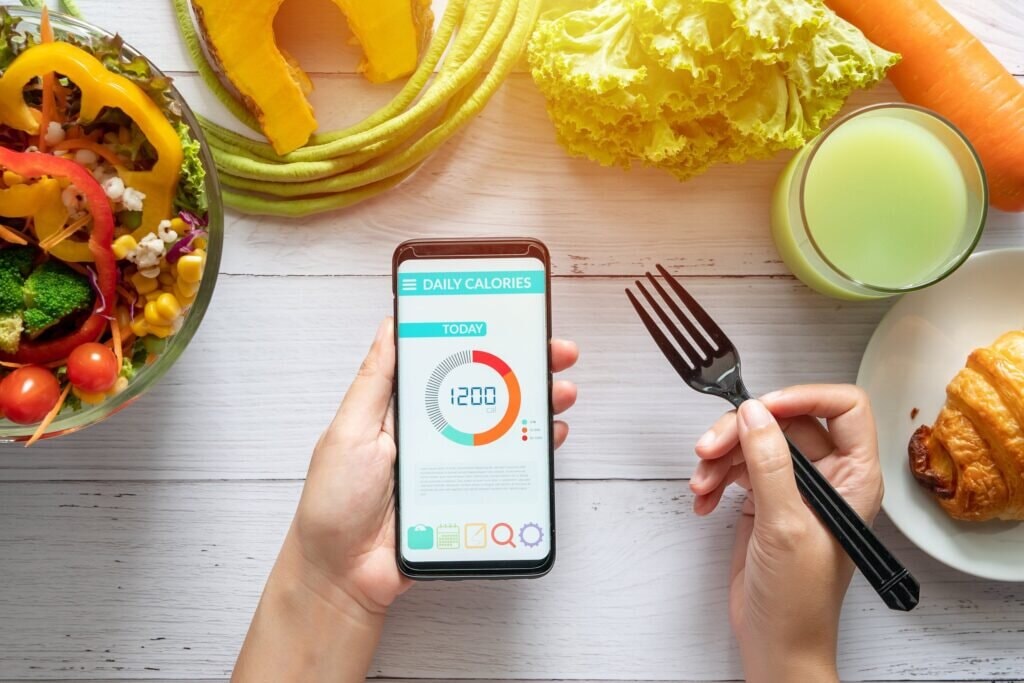
Knowing your current weight, understanding nutritional needs, and applying calorie counting help you determine your personal calorie range. A registered dietitian can fine-tune your plan for accurate results.
Now, let’s see how this calculation shapes your approach before diving into your 1600 calorie journey.
The calculation begins with your Basal Metabolic Rate (BMR) the calories your body burns at rest to keep vital functions running. Once you have that, include your daily activity to estimate your Total Daily Energy Expenditure (TDEE), which shows how many calories you truly burn in a day.
To lose fat safely, create a moderate deficit from your TDEE. Subtract 400 to 600 calories to support fat loss while keeping muscle and energy levels steady.
Key points to remember:
-
Your current weight, age, and activity level directly affect your calorie needs.
-
A registered dietitian ensures the plan matches your nutritional needs without dropping calories too low.
-
Calorie counting helps you stay aware of intake and prevent under or overeating.
-
Tracking results for two weeks helps verify if your calorie range works for your body.
Once you know your ideal calorie intake, your 1600 calorie diet becomes a guided plan instead of a random estimate. Let’s know in detail how these numbers help organize your meals for the best results.
Your 7-Day 1600 Calorie Indian Diet Chart for Weight Loss
Your weekly meal plan should include breakfast, lunch, and dinner along with light snack options. Fill it with vegetables, fruits, grains, salad, and protein-rich foods like chicken, fish, eggs, and milk. Include healthy fats such as olive oil and lean meat for balance.
Let’s walk through the sample meal plan next.
Vegetarian 7-Day 1600 Calorie Indian Diet Plan
| Day | Breakfast | Lunch | Dinner | Snacks / Mid-Meals | Approx. Calories |
|---|---|---|---|---|---|
| Day 1 | Vegetable upma with 1 cup low-fat milk | 2 chapatis, dal, mixed veg curry | Brown rice, paneer curry, salad | Apple, 5 almonds, green tea | ~1600 |
| Day 2 | Oats with milk and fruits | 2 rotis, chole, cucumber salad | Khichdi with curd | Banana, buttermilk | ~1580 |
| Day 3 | Poha with peanuts and tea | 1 cup rice, rajma, mixed veg | 2 rotis, palak paneer | Guava, sprouts | ~1620 |
| Day 4 | Idli with sambar and chutney | 2 chapatis, moong dal, lauki sabzi | Vegetable pulao with curd | Orange, herbal tea | ~1590 |
| Day 5 | Besan chilla, mint chutney, milk | 2 rotis, mixed dal, cabbage sabzi | Brown rice, tofu curry | Papaya, 6 almonds | ~1610 |
| Day 6 | Vegetable paratha, curd | 2 rotis, soya curry, salad | Vegetable khichdi | Apple, green tea | ~1600 |
| Day 7 | Oats pancake, low-fat milk | Brown rice, dal, bhindi sabzi | 2 rotis, paneer bhurji | Sprouts, cashews | ~1590 |
Non-Vegetarian 7-Day 1600 Calorie Indian Diet Plan
| Day | Breakfast | Lunch | Dinner | Snacks / Mid-Meals | Approx. Calories |
|---|---|---|---|---|---|
| Day 1 | 2 boiled eggs, multigrain toast, skim milk | 2 chapatis, chicken curry, salad | Brown rice, grilled fish, sautéed veggies | Apple, almonds, green tea | ~1600 |
| Day 2 | Vegetable omelette, toast | 1 cup rice, egg curry, cucumber salad | 2 rotis, grilled chicken, soup | Banana, buttermilk | ~1580 |
| Day 3 | Poha with boiled egg | Brown rice, fish curry, salad | 2 chapatis, chicken curry | Yogurt with fruits, walnuts | ~1620 |
| Day 4 | Idli with sambar | 2 rotis, chicken bhuna, lauki sabzi | Vegetable pulao, egg curry | Orange, herbal tea | ~1590 |
| Day 5 | Oats with milk, boiled eggs | 2 rotis, fish curry, cucumber raita | Brown rice, grilled chicken breast | Papaya, 6 almonds | ~1610 |
| Day 6 | Vegetable sandwich with omelette | 2 rotis, chicken stew, salad | Khichdi, boiled egg | Apple, green tea | ~1600 |
| Day 7 | Besan chilla, egg whites | Brown rice, chicken tikka, dal | 2 rotis, egg curry, salad | Sprouts, cashews | ~1590 |
Vegan 7-Day 1600 Calorie Indian Diet Plan
| Day | Breakfast | Lunch | Dinner | Snacks / Mid-Meals | Approx. Calories |
|---|---|---|---|---|---|
| Day 1 | Oats with almond milk and banana | 2 chapatis, dal, vegetable curry | Brown rice, tofu curry, salad | Apple, green tea, nuts | ~1600 |
| Day 2 | Poha with sprouts and lemon | 2 rotis, chole, cucumber salad | Khichdi with soy curd | Orange, herbal tea | ~1580 |
| Day 3 | Dalia with almond milk and berries | 1 cup rice, rajma, bhindi sabzi | 2 rotis, tofu bhurji | Guava, roasted chana | ~1620 |
| Day 4 | Besan chilla, mint chutney | Brown rice, masoor dal, cabbage sabzi | 2 rotis, soya curry | Banana, coconut water | ~1590 |
| Day 5 | Upma with vegetables | 2 rotis, vegan dal makhani, salad | Pulao with tofu and peas | Papaya, herbal tea | ~1610 |
| Day 6 | Smoothie with soy milk, oats, and fruit | 2 rotis, moong dal, mixed veg | Brown rice, soy chunks curry | Apple, walnuts | ~1600 |
| Day 7 | Oats pancake with almond milk | 1 cup rice, vegetable curry, lentil soup | 2 rotis, stir-fried tofu and veggies | Sprouts, cashews | ~1590 |
Ready to balance taste and health? Explore more smart meal ideas at Balance Bite
Results to Expect on this 1600 Calorie Diet (Week by Week)
As you lose weight and lose fat, your energy levels and health will improve steadily. The plan also supports muscle growth while maintaining balance. You can expect noticeable progress every week.
Now let’s find out what kind of results this plan delivers in more detail.
During the first few days, your body adjusts to the calorie deficit and balanced mix of nutrients. You’ll likely feel lighter as water retention drops and digestion improves.
By the second week, energy levels start to stabilize. Your appetite adjusts to your new routine, and cravings for fried foods or processed snacks reduce naturally.
Week-by-week breakdown:
-
Week 1: Initial weight loss of 1 to 1.5 kilos due to reduced bloating and cleaner eating.
-
Week 2: Noticeable fat loss begins as the body starts tapping stored fat for energy.
-
Week 3: Steady progress of 3–4 kilos lost with improved stamina and consistent energy.
-
Week 4: Visible difference in muscle tone and waistline; weight loss reaches up to 5 kilos.
-
Beyond Week 4: Results continue if you stay consistent with balanced meals, adequate sleep, and hydration.
Every week reinforces the body’s rhythm toward better metabolism and improved overall health. Let’s dive further into how this steady progress can be maintained through mindful eating and realistic daily habits.
6 Ways this 1600 Calorie Diet Works for Weight Loss

This diet combines smart carbohydrates, consistent protein intake, and healthy fats to boost energy and help you lose fat effectively. It promotes gradual weight loss and steady muscle growth through a sustainable approach.
Let’s explore each of these six effective ways one by one.
1. Creates a Sustainable Calorie Deficit
By using calorie counting and following a structured calorie meal plan, you burn more than you consume and begin to lose fat naturally. It’s all about balance and sustainability.
Let’s dive deeper into how this calorie deficit works for lasting results.
A calorie deficit happens when your daily intake stays below what your body burns for energy. This forces your body to use stored fat as fuel, leading to gradual fat loss. Eating nutrient-dense foods like grains, vegetables, and controlled portions of animal products keeps the plan realistic and satisfying.
Key focus points:
-
Track intake using reliable calorie counting apps.
-
Choose nutrient-rich meals over empty-calorie snacks.
-
Include whole grain bread or grain bread for long-lasting fullness.
-
Keep protein moderate to prevent muscle loss.
-
Avoid sharp calorie drops that can slow metabolism.
A sustainable calorie deficit builds consistency and discipline. Let’s now know in detail how balancing macronutrients strengthens this process and supports better fat burn.
2. Balances Macronutrients for Better Fat Burn
Combining carbohydrates, protein intake, and healthy fats provides the perfect balanced mix for energy and fat burning. This harmony fuels your workouts and controls hunger.
Now let’s uncover how these macronutrients help you burn fat more efficiently.
-
Get half your calories from complex carbs like whole grains and grain bread.
-
Keep protein intake moderate, including plant or animal products as per preference.
-
Use healthy fats from olive oil, nuts, and seeds in small portions.
-
Combine macronutrients in each meal to control hunger and sustain focus.
This balance strengthens metabolism and enhances your body’s ability to burn fat efficiently. Let’s see next how this steady energy control prevents sugar spikes and cravings.
3. Controls Blood Sugar and Cravings
Eating more fruits, fiber, and moderate protein intake helps avoid sugar spikes and reduces the need for artificial sweeteners. This keeps your energy stable throughout the day.
Effective ways to control cravings:
-
Eat balanced meals at regular intervals.
-
Replace processed snacks with fruits or roasted grains.
-
Avoid excessive refined sugar and soft drinks.
-
Hydrate well, as thirst often feels like hunger.
Managing cravings builds long-term control and confidence. Let’s now understand how portion awareness turns this structure into consistent success.
4. Improves Portion Awareness and Food Choices
Tracking meals with calorie counting and limiting processed foods, fried foods, and deep-fried foods improves awareness and long-term success. Understanding your portions is key to staying within your limits.
-
Use smaller plates to visually reduce serving size.
-
Measure foods like rice and grains before cooking.
-
Balance each meal with one-third carbs, one-third protein, and one-third vegetables.
-
Avoid mindless eating while distracted.
Consistent portion awareness creates accountability and reduces calorie drift. Let’s now explore why gradual change keeps this journey sustainable for the long run.
5. Supports Gradual, Sustainable Weight Loss
This approach helps you lose weight steadily, maintaining energy and improving health without drastic changes. Small, consistent steps make all the difference.
Let’s see why slow and steady wins the weight loss game here.
-
Minor adjustments to calories instead of extreme cuts.
-
Regular physical activity that complements your intake.
-
Patience, as sustainable results take time.
-
Continuous tracking to stay aligned with goals.
Slow, consistent results are easier to sustain than quick fixes. Let’s know in detail how Indian flavors can fit into this balance without compromising your progress.
6. Fits the Indian Lifestyle Without Sacrificing Taste
Enjoy flavorful chicken, fish, and vegetables cooked with olive oil and other healthy fats while keeping your grains balanced. The plan respects Indian taste buds without guilt.
Let’s explore how delicious food can still fit into a calorie goal.
-
Choose grilled or steamed options over deep-fried.
-
Cook with olive oil instead of heavy butter or cream.
-
Include whole grain bread or chapati for complex carbs.
-
Balance animal products like chicken or fish with vegetables and pulses.
This plan blends culture, taste, and science in one plate. Let’s dive further into how you can maintain this routine during festivals and eating out.
Tips to Maintain a 1600 Calorie Diet During Festivals and Eating Out
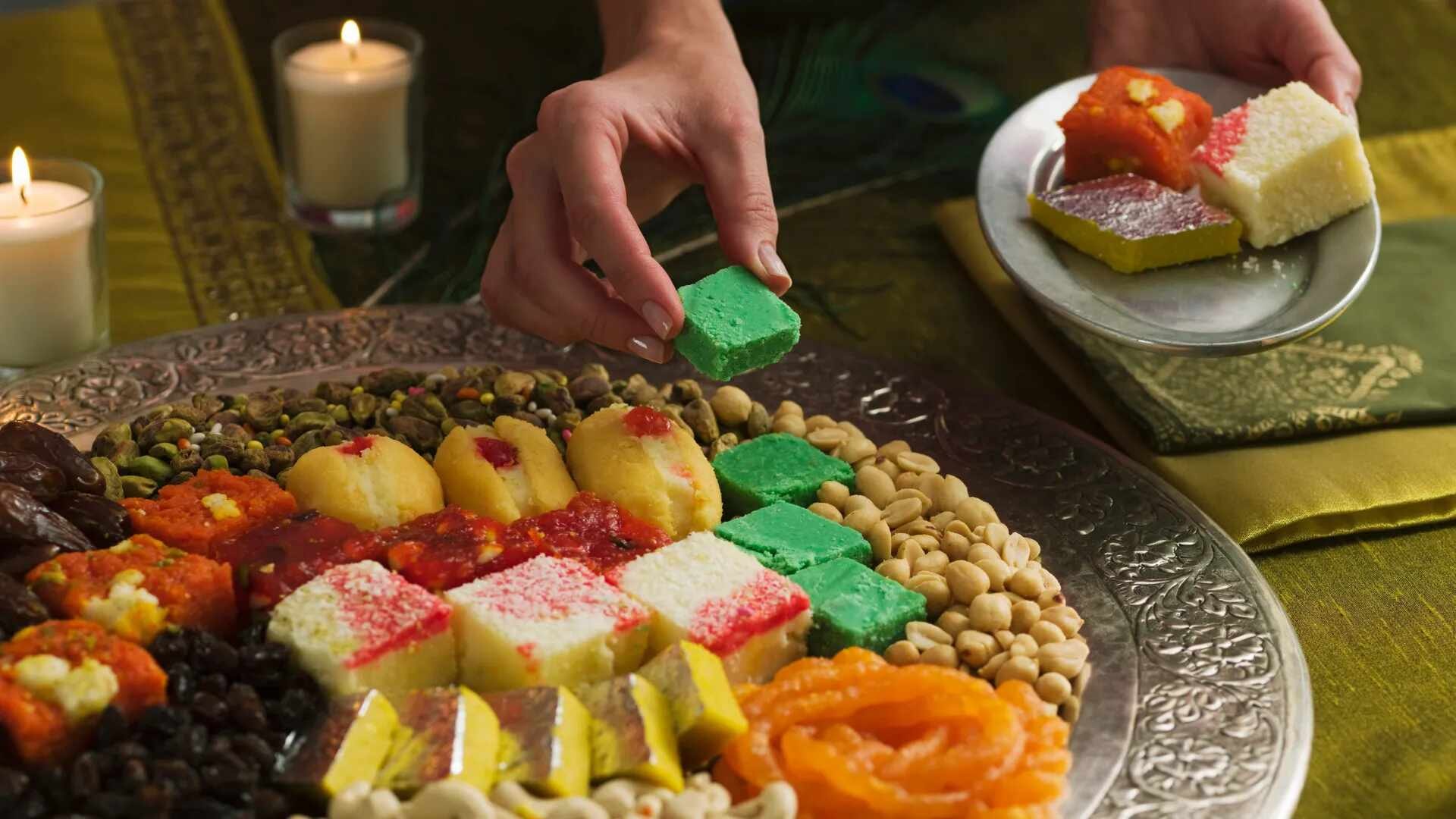
Stay mindful during celebrations by choosing lighter snack options and limiting deep fried foods, and processed foods. Enjoy a cup of herbal tea, avoid sugar, and eat in moderation.
Let’s explore smart tricks to enjoy festive food without losing control.
-
Eat a protein-rich snack before stepping out to curb hunger.
-
Choose grilled or roasted foods instead of deep fried ones.
-
Sip herbal tea or water between meals to control appetite.
-
Limit processed foods and sweets; savor small portions instead.
-
Focus on conversation and company, not just the food table.
-
Practice mindful eating, chew slowly and stop when comfortably full.
These strategies allow you to enjoy every festival guilt-free while staying true to your goals. Let’s know in detail how these habits can evolve into a lifestyle of balance and mindful eating.
10 Common Mistakes to Avoid on a 1600 Calorie Diet
Many people slip by eating fried chicken, drinking excess milk, or falling for quick fix plans. Ignoring high protein foods or using artificial sweeteners too much can hurt your energy levels.
Let’s see the top mistakes and how to avoid each one wisely.
1. Skipping Meals to Save Calories
Skipping breakfast, lunch, or dinner might seem smart, but it drains your energy and slows fat loss. Regular meals fuel steady progress.
Now, let’s understand why skipping meals can stall your results.
-
Slows your metabolism, causing your body to store fat instead of burning it.
-
Leads to energy crashes and poor focus throughout the day.
-
Increases cravings, which often trigger overeating later.
-
Reduces protein and fibre intake, slowing muscle recovery.
Eating regularly keeps metabolism active and fat burn steady.
2. Ignoring Protein and Fibre Intake
Your protein intake from chicken, eggs, and fish combined with healthy fats and high protein meals helps burn fat efficiently. Ignoring these slows results.
Let’s dig into why protein and fibre matter so much.
-
Protein supports muscle repair and boosts metabolism.
-
Fibre improves digestion and keeps you full longer.
-
Both reduce cravings and control blood sugar levels.
-
Missing them lowers energy and slows calorie burn.
Protein and fibre create the foundation for lasting fat loss.
3. Drinking Your Calories Through Juices and Chai
High-calorie milk drinks or sweet tea add up fast. Try cutting sugar and reducing artificial sweeteners to stay on track.
Let’s learn how to enjoy beverages wisely.
-
Sweetened chai, juices, and shakes can add 300–500 calories daily.
-
These drinks digest quickly and don’t satisfy hunger.
-
Replacing them with water, black coffee, or herbal tea saves calories.
-
Unsweetened drinks help maintain a steady calorie deficit.
Simple swaps in beverages can save hundreds of calories each day.
4. Guessing Portions Instead of Measuring Them
Measuring servings, even something as simple as 1 cup, prevents overeating. Calorie counting helps you see your real intake clearly.
Let’s look at how precise portions make progress visible.
-
Guessing leads to accidental overeating even with healthy foods.
-
Measuring food provides accuracy and control over calories.
-
Visual guides like palm-sized protein and fist-sized carbs work well.
-
Tracking meals builds consistency and awareness.
Measured portions keep your progress consistent and trackable.
5. Cutting Out All Carbs Completely
Complex carbohydrates from whole grains, brown rice, and wheat chapati provide lasting energy. Cutting them entirely hurts performance.
Let’s see how the right carbs fuel success.
-
Complex carbs from whole grains sustain workouts and focus.
-
Carbs support digestion and prevent fatigue.
-
Low-carb extremes often trigger cravings and mood swings.
-
Whole grain bread and brown rice balance energy release.
Balanced carbs fuel workouts and support long-term results.
6. Overeating “Healthy” Foods Like Nuts or Granola
Even healthy fats can sabotage progress if portions are too large. Balance is everything for steady energy and fat control.
Let’s see how moderation makes healthy truly work.
-
Nuts, granola, and seeds are calorie-dense despite being nutritious.
-
Eating them mindlessly exceeds daily calorie goals.
-
Portioning small servings (like one handful of nuts) prevents excess.
-
Measuring olive oil or nut butter keeps calories balanced.
Moderation makes healthy foods truly beneficial for fat loss.
7. Not Tracking Hidden Calories in Indian Gravies and Snacks
Many snack foods and gravies hide oils and fried foods that break your calorie meal plan. Awareness is the secret weapon.
Let’s unpack how to spot hidden calories easily.
-
Curries often contain ghee, butter, or cream that raise calorie counts.
-
Fried snacks like samosas and pakoras are calorie traps.
-
Restaurant gravies usually include excess oil and sugar.
-
Opting for roasted or grilled dishes reduces hidden calories.
Awareness helps control calorie creep and maintain steady results.
8. Eating Too Little and Slowing Your Metabolism
Under-eating lowers energy, delays fat burn, and impacts health. Finding the right calorie zone keeps metabolism active.
Let’s find out how to fuel properly for results.
-
Starving slows metabolism and reduces muscle mass.
-
The body holds onto fat when calories drop too low.
-
Eating balanced meals keeps fat burn steady and sustainable.
-
1600 calories usually support fat loss without fatigue.
Eating enough of the right foods keeps your metabolism efficient.
9. Ignoring Hydration and Sleep
Lack of water and rest harms energy and health progress. Proper hydration supports fat loss and focus.
Let’s see how these basics power your transformation.
-
Dehydration reduces workout performance and slows recovery.
-
Poor sleep raises stress hormones that block fat loss.
-
Drinking 2.5–3 liters of water improves metabolism.
-
Quality sleep helps regulate hunger hormones naturally.
Hydration and rest keep your body and mind working at their best.
10. Giving Up Too Soon Before Results Show
Fat loss takes time, and patience keeps you moving toward your lose weight goals. Stay steady, and the results follow.
Let’s explore how consistency guarantees success.
-
Weight loss is gradual; results build over weeks, not days.
-
Consistency in calorie tracking brings visible change.
-
Focus on habits, not just the scale.
-
Celebrate small milestones to stay motivated.
Consistency turns short-term diets into sustainable success stories.
Avoid these pitfalls with Balance Bite free checklist, simple swaps, smarter choices, better balance.
10 Lifestyle Tips to Stay Consistent on a 1600 Calorie Indian Diet

Consistency brings long-term health, energy, and balance. Learning to eat well and stay physically active ensures success. These healthy fats and habits create lasting change. Let’s uncover the lifestyle tweaks that make this plan truly stick.
1. Prioritize Sleep and Recovery Every Night
Proper rest boosts energy and overall health, helping your body recover from workouts. Sleep sets the tone for better results.
Let’s see why rest matters more than most people think.
-
Sleep regulates hunger hormones and reduces late-night cravings.
-
Deep rest improves muscle recovery after workouts.
-
Poor sleep raises stress levels and slows fat loss.
-
A consistent bedtime routine improves overall health and focus.
Sleep is the foundation that supports every part of your 1600 calorie journey.
2. Drink Enough Water to Control Hunger and Cravings
Hydration keeps health stable and supports digestion. Drinking water before meals curbs cravings naturally.
Let’s explore how water plays a key role in fat loss.
-
Drinking water before meals reduces calorie intake.
-
Staying hydrated prevents mistaking thirst for hunger.
-
Water helps flush toxins and supports better digestion.
-
Proper hydration improves focus and energy during workouts.
Hydration keeps your fat loss smooth, your hunger in check, and your body balanced.
3. Move Daily Even Light Activity Counts
Being physically active every day helps you lose fat faster and feel stronger. Movement fuels progress more than you think.
Let’s see how small efforts bring big results.
-
Daily walks improve blood flow and calorie burn.
-
Light stretching or yoga enhances flexibility and recovery.
-
Taking stairs or doing chores adds natural movement.
-
Regular motion boosts energy and maintains consistency.
Movement doesn’t need to be intense to be effective; it simply needs to be daily.
4. Plan and Prep Indian Meals in Advance
Organizing your meal plan with balanced breakfast, lunch, and dinner helps you eat smart all week. Planning is the backbone of consistency.
Let’s see how easy prep leads to success.
-
Prepare wheat chapati dough, curries, or grains ahead of time.
-
Use portioned containers for calorie control.
-
Plan meals that mix grains, vegetables, and lean protein.
-
Track your menu to avoid impulsive eating decisions.
Meal planning turns your calorie goals into effortless habits.
5. Eat Slowly and Mindfully to Avoid Overeating
When you eat mindfully, you notice fullness cues and naturally reduce intake. Awareness changes habits from the inside out.
Let’s explore how mindful eating sharpens control.
-
Chewing slowly allows fullness signals to reach your brain.
-
Eating without screens keeps attention on your meal.
-
Putting the spoon down between bites prevents overeating.
-
Focusing on flavors improves satisfaction and reduces cravings.
Mindful eating transforms your relationship with food and builds long-term discipline.
6. Manage Stress Without Turning to Food
Keeping health and motivation strong helps you avoid emotional eating. Learning control under stress changes everything.
Let’s find ways to stay centered and focused.
-
Practice deep breathing or meditation during stressful moments.
-
Replace emotional snacking with herbal tea or a short walk.
-
Journaling or talking to a friend helps process emotions better.
-
Keep tempting foods out of easy reach when stressed.
Managing stress mindfully helps you stay in charge of your eating choices.
7. Avoid Long Gaps Between Meals
Spacing meals keeps energy stable and prevents overeating. Frequent small meals make staying on track easy.
Let’s look at why steady fuel matters most.
-
Eating every 3–4 hours maintains blood sugar balance.
-
Smaller meals reduce hunger and late-night bingeing.
-
Regular eating patterns prevent energy slumps.
-
Consistent fueling keeps your metabolism active.
Steady meals create a rhythm that supports sustained fat loss.
8. Track Progress Beyond Just the Scale
Don’t rely only on current weight. Track strength, energy, and health too. Real progress shows in how you feel.
Let’s explore better ways to measure success.
-
Track waist, hip, and arm measurements weekly.
-
Note energy levels and sleep quality improvements.
-
Record exercise performance and endurance gains.
-
Celebrate lifestyle consistency, not just numbers.
True progress is about how much stronger, healthier, and more confident you feel.
9. Keep Healthy Indian Snacks Handy
Smart snack options rich in healthy fats help curb cravings and make it easier to eat right. Preparation wins every time.
Let’s see which snacks keep you satisfied.
-
Roasted chana or makhana make great protein-rich options.
-
A handful of almonds or walnuts provides healthy fats.
-
Fruit with yogurt or peanut butter curbs sugar cravings.
-
Homemade whole grain bread toast with avocado adds balance.
Having smart snacks ready prevents impulsive eating and keeps your plan intact.
10. Stay Consistent Not Perfect
Building long-term health and lose weight success means progress over perfection. Consistency beats crash efforts every time.
Let’s see how to keep this mindset alive.
-
Focus on daily habits, not instant results.
-
Accept small slip-ups and return to your plan quickly.
-
Build routines you can sustain for months, not days.
-
Celebrate discipline more than the number on the scale.
Consistency builds momentum, and momentum delivers lasting transformation.
Conclusion
Losing weight doesn’t have to mean giving up the foods you love. The 1600 calorie Indian diet proves that balance and structure work better than extremes. When you combine smart portions, mindful eating, and consistency, progress stops being a struggle and becomes a routine.
Each roti, each home-cooked meal, and each small decision adds up. In 30 days, you won’t just see 5 kilos gone, you’ll feel lighter, more in control, and proud of the discipline you built along the way.
This isn’t a quick fix. It’s the start of a sustainable, confident relationship with food and health that keeps paying off long after the 30 days are done.
If this plan inspired you, discover more mindful eating guides and recipes at Balance Bite


Leave a comment
Translation missing: en.blogs.comments.discription