

If you’ve ever felt energetic one moment and drained the next, doctors already know the secret, low glycemic index foods. They’re not just about controlling sugar levels but about keeping your body running at a steady, healthy pace.
These foods release energy slowly, helping you stay active, focused, and full for longer. That’s why doctors recommend them for managing diabetes, improving metabolism, and promoting overall wellness.
By choosing low glycemic index foods, you’re not following a diet, you’re choosing balance, stability, and long-term health that actually lasts.
“Good nutrition is not about restriction but rhythm, the steadiness that keeps energy, mood, and health in sync.”
— Dr. Rujuta Diwekar, Nutrition Expert
What Is the Glycemic Index and Why It Matters?
The glycemic index is more than a number, it is a guide that explains how your body responds to every meal. Foods with a high glycemic index release glucose rapidly, while low glycemic foods digest slowly, helping maintain steady blood sugar levels.
It ranks foods by how they affect your blood glucose levels after eating. It uses pure glucose as the reference point, helping people understand which foods lead to a moderate glycemic index response.
Developed through extensive agricultural research, this system links carbohydrate content directly to energy stability and overall metabolic health.
“The glycemic index turns food into data, but it’s how you use that data that defines real wellness.”
— Dr. David Jenkins, University of Toronto (Creator of the GI Concept)
Key points that define why the GI scale matters:
-
It shows how fast or slow carbohydrates turn into blood glucose, offering measurable insight into metabolic impact.
-
A low glycemic diet naturally supports diabetes management by reducing pressure on insulin regulation.
-
Foods with low GI values such as whole wheat, leafy greens, and sweet potatoes help stabilize blood sugar levels over time.
-
Understanding GI helps build a balanced diet by pairing foods that support heart health and steady energy.
-
The GI system aids healthcare professionals in designing dietary interventions that prevent blood sugar spikes and improve overall health.
When you understand why is GI so important, you start recognizing how each food’s category, low, medium, or high, shapes your body’s energy rhythm. This opens the path to understanding those levels in detail next.
Discover more balanced-bite strategies at MyBalanceBite and build your low-GI meal plan today
Low vs High Glycemic Index Levels and What They Mean for Your Health
Low glycemic foods digest slowly, giving your body a steady release of glucose, while high glycemic index foods or refined grains cause quick energy bursts followed by crashes. Medium GI foods fall in between, balancing satiety and energy.
Recognizing your personal GI score helps you maintain better control over your blood glucose level. These differences explain why understanding GI categories is key to healthy eating decisions.
| GI Category | GI Range | Common Examples | Effect on Body | Best Use in a Balanced Diet |
|---|---|---|---|---|
| Low Glycemic Foods | 1–55 | Lentils, sweet potatoes, whole wheat, leafy greens | Promote slow digestion, steady energy, and reduced blood glucose spikes | Ideal for a low glycemic diet and diabetes management |
| Medium GI Foods | 56–69 | Brown rice, oats, certain breakfast cereals | Provide moderate energy rise and sustain fullness | Good for combining with low GI carbohydrates for stable blood glucose control |
| High Glycemic Index Foods | 70+ | White rice, white bread, refined grains, sugary foods | Cause rapid glucose absorption and sharp energy crashes | Should be limited to maintain a balanced diet and prevent blood sugar spikes |
Once you know how these GI levels shape blood glucose response, the next step is putting that knowledge on your plate. Indian meals make it easy to do, blending traditional grains, legumes, and vegetables into naturally low glycemic combinations that keep sugar in check without losing flavor.
Delicious Low Glycemic Index Indian Meals for Better Sugar Control
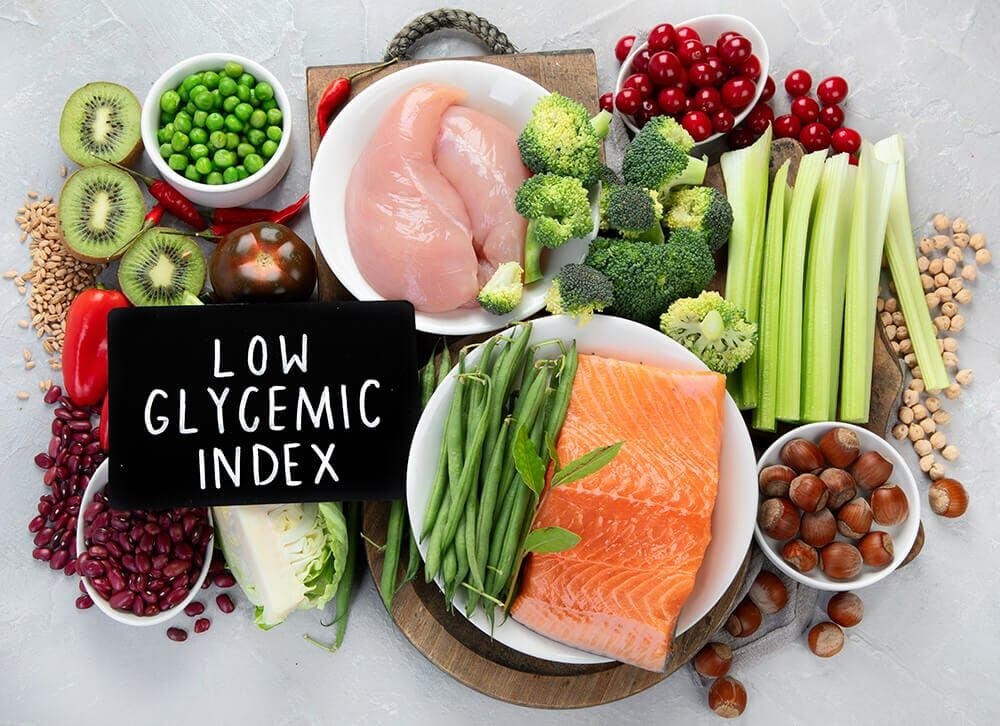
Classic Indian dishes made with whole wheat, millets, and other low glycemic foods offer the best balance between comfort and nutrition. Swapping white rice or white bread with sweet potatoes or other starchy vegetables keeps the glycemic impact low while maintaining flavor.
These wholesome combinations prove that traditional meals can naturally support a low glycemic diet without sacrificing taste.
| Meal Type | Example Dish | Key Ingredients | Why It Works | GI Focus |
|---|---|---|---|---|
| Breakfast | Vegetable upma made with millets | Foxtail millet, carrots, beans, peas | Provides slow digestion and steady blood sugar levels | Low glycemic foods, rich in fiber |
| Mid-Morning Snack | Sprouts salad with olive oil and lemon | Moong sprouts, tomatoes, lemon juice | Boosts protein intake and prevents blood sugar spikes | Low GI, high in nutrients |
| Lunch | Whole wheat roti with dal and sautéed greens | Whole wheat, lentils, spinach | Balances protein, complex carbs, and healthy fats | Maintains stable glucose release |
| Evening Snack | Oats chilla with yogurt | Oats, green gram, curd | Combines low GI carbohydrates and probiotics for gut support | Moderate glycemic index |
| Dinner | Sweet potato curry with brown rice | Sweet potatoes, brown rice, spices | Naturally sweet and filling while keeping glycemic load low | Ideal for diabetes management |
| Dessert (Occasional) | Chia seed kheer with almond milk | Chia seeds, almond milk, cardamom | Offers a satisfying finish without refined grains or sugar | Best low GI foods for balance |
Traditional Indian cooking already includes ingredients that help maintain steady blood sugar levels, the secret lies in proportion and preparation.
Once you understand these food combinations, it’s easier to see why doctors emphasize specific eating principles to make the low glycemic approach truly sustainable.
Download our printable low-GI Indian plate guide at MyBalanceBite and simplify your next week of meals
5 Key Lessons Doctors Share About Low Glycemic Index Foods

Doctors often emphasize that low GI eating works best when paired with healthy fats, steady blood sugar levels, and a balanced diet. Focusing on slow digestion helps prevent blood sugar spikes, while healthcare professionals recommend consistency to sustain stable energy.
These lessons show how small, steady adjustments can turn everyday meals into tools for blood sugar management.
1. Choose low GI foods that fit your personal health goals
Doctors explain that the glycemic index GI is a flexible framework, not a one-size-fits-all plan. Choosing low glycemic foods aligned with your body type helps maintain stable blood sugar levels and supports a healthy diet.
Even low GI foods can behave differently depending on how they are prepared, so selecting based on your goals ensures lasting balance.
2. Combine GI awareness with balanced macronutrients for better results
Combining carbohydrates with seeds, nuts, fiber, or protein slows digestion and steadies glucose response. This balance improves GL values and reduces blood sugar swings.
Findings from systematic reviews confirm that nutrient diversity, not elimination, lowers long-term metabolic risk and supports sustained energy through the day.
3. Pay attention to meal timing and consistency for stable energy
Spacing meals evenly across the day helps prevent glucose dips and overeating. Most fruits, raw carrots, and other healthy options fit easily into a structured eating rhythm.
This approach helps maintain stable blood sugar levels while supporting metabolism and mood regulation throughout the day.
“Your blood sugar follows your schedule more than your cravings, structure your meals, and your body will follow.”
— Dr. Mark Hyman, Functional Medicine Physician
4. Use low GI eating to support heart and gut health, not just blood sugar
A low glycemic diet improves heart and gut health by supporting nutrient absorption and reducing inflammation. Including pumpkin seeds, leafy greens, and other mineral-rich foods enhances nutritional value while promoting smooth digestion.
Over time, this combination strengthens overall wellbeing and lowers long-term disease risk.
5. Track how your body responds to different low GI combinations
Each person’s glucose response is unique, even to the same foods. Tracking how your blood glucose level changes after meals helps identify the combinations that work best for your metabolism.
This observation-driven approach builds awareness and makes managing diabetes and long-term health far more precise.
With these expert-backed lessons in place, you have the foundation to design a personalized eating plan. The next step is putting these ideas into practice, creating a low GI diet that fits your lifestyle, supports weight loss, and makes diabetes management far simpler.
Steps to Create Your Own Perfect Low GI Diet Plan for Weight Loss and Diabetes
A thoughtful low GI plan blends nutrient variety, portion control, and consistency for weight management and diabetes management. Prioritizing healthy choices and balanced meals can improve overall health while reducing long-term risks.
With simple dietary interventions, a low glycemic diet becomes less of a restriction and more of a sustainable routine that fits your goals.
1. Set clear health and nutrition goals
Every successful plan begins with clarity. Define whether your priority is blood sugar balance, weight loss, or sustained energy. Knowing why GI matters helps you make intentional adjustments rather than random swaps. This clarity ensures your routine feels personalized instead of restrictive.
2. Choose foods wisely for lasting energy
Pick combinations that keep you full longer. Whole grains, lentils, and seeds and nuts offer slow energy release and improved satiety. Choosing foods with a lower glycemic impact stabilizes glucose response and builds a healthier relationship with eating.
3. Balance every meal for nutrient harmony
Each plate should include complex carbs, lean protein, and healthy fats. This balance controls insulin response and keeps your metabolism steady. Evidence from agricultural research service findings highlights how diverse nutrients enhance GI outcomes and improve energy stability.
4. Plan portions and timing for consistency
Smaller, regular meals help prevent energy crashes and support better blood sugar rhythm. Spacing food evenly also reduces cravings and aids digestion. Structured timing is the quiet driver of consistency in every effective low GI plan.
5. Track progress and adjust with awareness
Your response to GI-based eating will evolve. Monitor how your body reacts to portion sizes and food combinations. Adjust gradually to improve adherence and lower risk of relapse. Tracking results turns guesswork into real insight over time.
Once these steps are part of your daily rhythm, understanding how the glycemic index influences blood sugar, energy, and mood becomes far easier, setting the tone for deeper awareness of how food truly fuels you.
How the Glycemic Index Affects Blood Sugar, Energy, and Mood
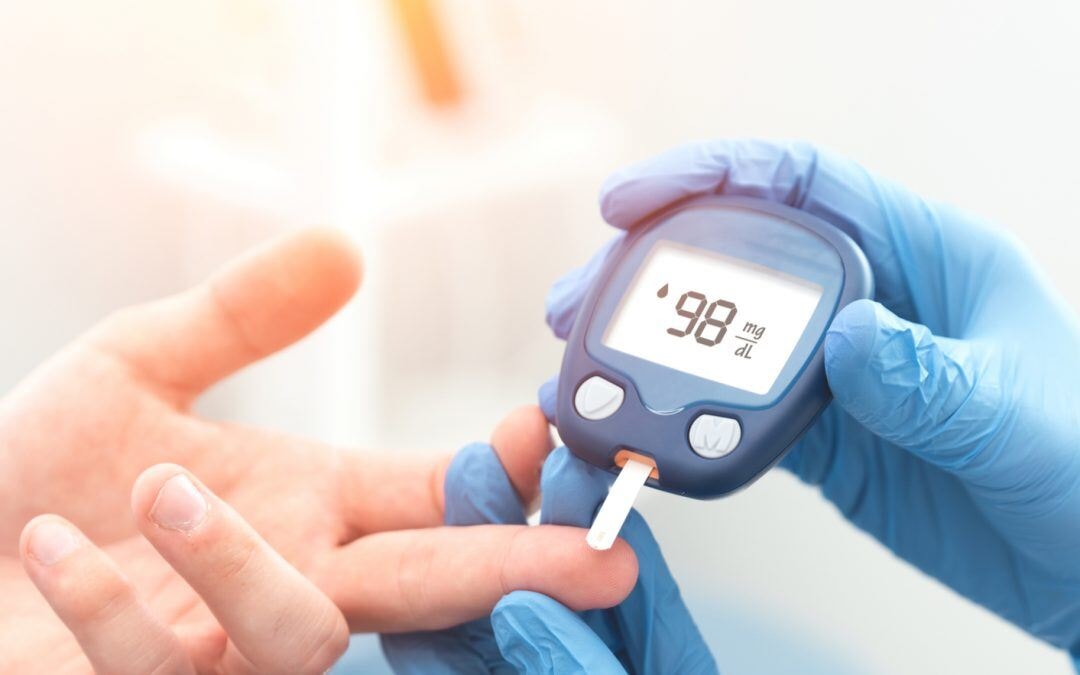
Your blood sugar levels influence not just energy but also focus and mood throughout the day. A balanced diet minimizes blood sugar spikes and supports steady glucose flow to prevent fatigue.
Understanding how foods interact with your body also helps reduce risks of heart disease, diabetes, and high blood pressure. It connects nutrition science to how you actually feel each day.
Key ways GI influences your body and mind:
-
Glucose rhythm: Foods with a low GI encourage gradual energy release, preventing sudden highs or dips.
-
Cognitive clarity: A stable blood sugar pattern supports sharper focus and reduces mental fog during long hours.
-
Emotional steadiness: Consistent glucose supply helps maintain balanced neurotransmitter activity, lowering anxiety and restlessness.
-
Cardiovascular impact: A balanced diet that avoids extreme glucose spikes reduces strain on the heart and improves blood pressure control.
-
Metabolic balance: Repeated high sugar swings can increase insulin resistance, whereas low GI eating helps maintain healthier hormone regulation.
Learning to read your body’s signals through GI awareness helps you match what you eat to how you want to feel. From here, the focus turns to combining specific foods intelligently to maintain that steady blood sugar balance through every meal.
Smart Low GI Food Combinations for Maximum Blood Sugar Balance
Pairing low glycemic foods like lentils or oats with healthy fats and fiber sources such as chia or flax seeds improves digestion and keeps you full longer. Whole grain bread or oat bran can balance the meal’s glycemic load without making it heavy.
These pairings reveal how small tweaks in food combinations can change your blood sugar balance dramatically.
| No. | Combination | Core Ingredients | Why It Works | Key Benefit |
|---|---|---|---|---|
| 1 | Brown rice with lentils or dal | Brown rice, toor dal, spices | The mix of complex carbs and plant protein slows glucose absorption. | Steady energy and improved digestion |
| 2 | Whole wheat roti with mixed vegetable curry | Whole wheat, beans, peas, okra | Fiber and resistant starch reduce glycemic response. | Maintains steady blood sugar levels |
| 3 | Oats with yogurt and chia seeds | Rolled oats, curd, chia seeds | Protein and omega fats from seeds and nuts stabilize insulin activity. | Longer satiety and smoother digestion |
| 4 | Quinoa with grilled paneer and sautéed greens | Quinoa, paneer, spinach, olive oil | Combines amino acids, fiber, and healthy fats for balanced GI. | Sustained energy and muscle recovery |
| 5 | Poha with peanuts and boiled egg | Flattened rice, peanuts, egg | Fat and protein moderate carbohydrate release. | Prevents sharp glucose peaks |
| 6 | Millets with curd and stir-fried vegetables | Foxtail millet, yogurt, beans, carrots | Prebiotics and probiotics improve gut function and sugar metabolism. | Supports digestive and metabolic health |
| 7 | Sprouts salad with avocado or olive oil dressing | Moong sprouts, tomato, avocado | The fat–fiber mix controls glucose rise and boosts nutrient absorption. | Enhances heart health and glucose control |
| 8 | Idli with sambar and vegetable chutney | Fermented rice–lentil batter, lentils, coconut | Fermentation lowers GI and increases nutrient bioavailability. | Improves gut health and keeps meals light |
| 9 | Sweet potato with beans or chickpeas | Sweet potatoes, chickpeas, herbs | Complex carbs with protein create slow digestion and stable energy. | Curbs hunger and manages cravings |
| 10 | Moong dal khichdi with steamed broccoli or spinach | Moong dal, rice, broccoli | Fiber, protein, and antioxidants balance the glycemic load. | Ideal for diabetes management and overall balance |
The true value of these pairings lies in understanding why GI works: food combinations influence both glucose response and overall metabolic rhythm. Once these principles feel intuitive, it becomes easier to see how low GI foods can also manage cravings and encourage more mindful eating patterns.
Low GI Foods and Their Role in Managing Cravings Naturally
Low GI foods like leafy greens, fresh fruits, and dairy products help stabilize appetite and reduce the urge for quick sugar fixes. Even similar foods can behave differently depending on ripeness or preparation, so mindful pairing matters.
This understanding helps you manage cravings while still enjoying variety and flavor in every meal.
How low GI foods help control cravings:
-
Stabilize hunger hormones: A steady glucose pattern limits sharp insulin surges, reducing sudden hunger.
-
Support satiety through fiber: Leafy greens, legumes, and most fruits increase fullness without excess calories.
-
Promote mental balance: Slow glucose release maintains serotonin activity, easing emotional snacking urges.
-
Encourage mindful eating: Pairing dairy products or plant proteins with fruits helps sustain energy and prevent overeating.`
-
Adapt with variety: Even the same foods differ by ripeness or preparation, so alternating low GI ingredients keeps meals interesting and satisfying.
Balanced cravings mean more consistent food choices and fewer energy crashes. Once you learn how low GI eating shapes appetite control, the next focus shifts to quick, practical snack options that fit busy schedules while keeping your blood sugar steady.
Top Low Glycemic Index Snacks for Office, School, and Gym
Healthy snacks like oatmeal made with almond milk or moderate glycemic cereals beat sugary foods when you need lasting energy.
These low glycemic options are rich in healthy fats that prevent sudden glucose drops. Choosing smart snacks turns small eating moments into a steady support system for your day.
Smart Low GI Snack Ideas
| # | Snack Option | Core Ingredients | Why It Works | Ideal For |
|---|---|---|---|---|
| 1 | Oatmeal with almond milk and nuts | Oats, almond milk, walnuts | Fiber and protein slow glucose absorption for steady energy. | Office mornings or post-gym recovery |
| 2 | Greek yogurt with berries and chia seeds | Yogurt, blueberries, chia seeds | Combines probiotics and omega fats for balanced glucose release. | Midday snack at work or school |
| 3 | Whole grain toast with peanut butter | Whole grain bread, peanut butter | Protein and healthy fats curb hunger without sugar spikes. | Quick breakfast or pre-workout snack |
| 4 | Roasted chickpeas or peanuts | Chickpeas, olive oil, mild spices | Rich in plant protein and low GI carbohydrates. | Crunchy substitute for chips |
| 5 | Apple slices with cottage cheese | Apple, cottage cheese | Fiber and calcium promote fullness and stable blood sugar. | Mid-afternoon or late-evening bite |
| 6 | Boiled egg with avocado | Egg, avocado, lemon | Packed with healthy fats that sustain energy and prevent glucose crashes. | Gym-friendly high-protein snack |
| 7 | Vegetable sticks with hummus | Carrot, cucumber, hummus | Protein and fiber improve satiety and slow digestion. | School lunchbox or office snack |
| 8 | Sprouts chaat with olive oil dressing | Moong sprouts, tomato, olive oil | Low GI, high fiber, and loaded with antioxidants. | Refreshing anytime mini-meal |
Each of these snacks balances taste, convenience, and nutritional value, keeping your blood sugar and focus steady across long hours.
Once you understand how these small choices reinforce energy stability, the next step is to separate facts from fiction, clearing up the common myths about low glycemic index foods that often confuse even mindful eaters.
How to Pair Low and High GI Foods for Better Nutrition
Combining high glycemic index foods like white rice with low glycemic diet staples such as lentils or leafy greens helps moderate your blood glucose level naturally. This mix allows flexibility without losing nutritional balance.
It’s an approach that teaches you to enjoy comfort foods without compromising long-term health.
| No. | High GI Food | Low GI Partner | Why the Combo Works | Benefit |
|---|---|---|---|---|
| 1 | White rice | Lentils or dal | Protein and fiber from lentils slow rice digestion. | Steady blood glucose levels and longer satiety |
| 2 | Boiled potatoes | Leafy greens or beans | Greens add fiber and antioxidants that regulate sugar absorption. | Reduced post-meal glucose spikes |
| 3 | White bread | Avocado or peanut butter | Healthy fats and protein offset refined carb impact. | Improved nutrient absorption and energy stability |
| 4 | Plain idli | Sambar or vegetable chutney | Lentils and fiber-rich veggies balance the fermented carbs. | Gut health and better glucose control |
| 5 | Poha | Peanuts or boiled egg | Fats and protein lower the glycemic load and sustain energy. | Prevents hunger crashes and overeating |
| 6 | Cooked carrots | Yogurt or paneer | Dairy protein delays sugar absorption and increases satiety. | Balanced digestion and blood sugar response |
| 7 | White rice or dosa | Spinach, broccoli, or sprouts | Low GI vegetables add volume, minerals, and fiber. | Improved digestion and metabolic balance |
| 8 | Breakfast cereals (high sugar) | Greek yogurt with chia seeds | Protein and omega fats blunt glucose rise. | Stable morning energy and reduced cravings |
Pairing high and low GI foods isn’t just about mixing ingredients, it’s about balancing digestion speed, nutrient density, and sustained energy. When you learn to pair with purpose, comfort foods stop being “off-limits” and start becoming part of a healthier pattern.
The next section builds on this understanding, breaking down common myths around glycemic index foods and clarifying what truly matters for long-term nutrition.
10 Common Myths About Low Glycemic Index Foods You Should Stop Believing
Many assume that all low glycemic foods are automatically healthy, but research shows that preparation, portion size, and food combinations play a bigger role. Glycemic load, GI value, and related studies prove that even low GI diets can go wrong when misunderstood.
Clearing these myths helps you approach low GI eating with realism instead of confusion.
1. All low glycemic index foods are healthy
Not every low GI item benefits health equally. Some may still be high in saturated fat or low in nutrients. The glycemic index measures blood sugar response, not total nutritional value.
2. You can eat unlimited amounts of low GI foods
Portion size still matters. Even low GI foods raise blood sugar if eaten in excess. Balance and moderation decide how your body processes carbohydrates.
3. Low GI foods don’t raise blood sugar at all
Every carbohydrate-based food raises blood sugar to some degree. Low GI choices simply do so more gradually, helping maintain stability rather than complete neutrality.
4. Glycemic index is the same as glycemic load
GI measures how quickly carbs turn into glucose, while glycemic load (GL) factors in serving size. Together they give a clearer picture of real-world blood sugar impact.
5. Only diabetics need to care about the glycemic index
Low GI eating supports everyone, not just those managing diabetes. It improves energy balance, heart health, and even weight control when applied consistently.
6. Low GI automatically means low calorie
A food’s GI value has no link to its calorie count. For example, chocolate can have a low GI but remain calorie dense. Choosing smart portions remains key.
7. Cooking method doesn’t affect the glycemic index
Preparation changes GI significantly. Boiled, steamed, or al dente cooking lowers GI, while overcooking or mashing raises it. Temperature and texture both influence glucose release.
8. Fruits always have a high glycemic index
Most fruits, especially apples, guava, and berries, are low or moderate GI. Natural fiber and water content slow absorption, making them healthy choices in balanced diets.
9. Low GI diets are hard to follow long term
Once you understand food pairings and portion balance, low GI eating becomes second nature. It fits into any cuisine without requiring complicated substitutions.
10. Packaged foods labeled “low GI” are always reliable
Labels can mislead. Some “low GI” products rely on additives or small serving sizes to claim that title. Always check the ingredient list and nutritional context before trusting packaging.
Understanding these myths shifts low GI eating from trend to science. When clarity replaces confusion, it becomes easier to see how this approach supports health beyond diabetes, which is exactly where the next section takes you.
Low GI Diet Benefits Beyond Diabetes Management
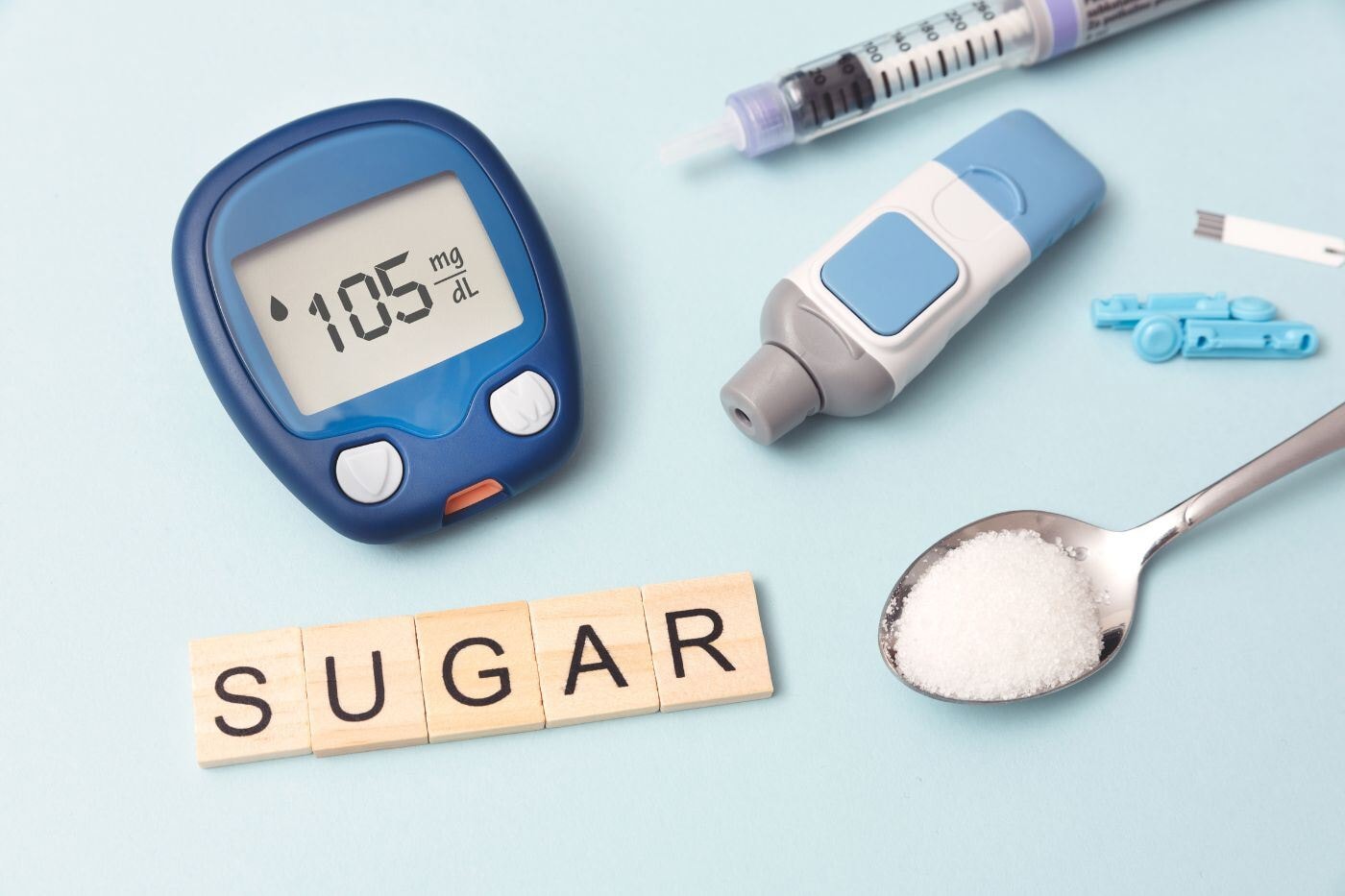
A consistent low glycemic diet supports more than just diabetes care. It promotes heart health, stabilizes blood pressure, and enhances overall wellbeing through balanced, fiber-rich foods.
These benefits show why a GI-conscious lifestyle isn’t a temporary fix but a foundation for lasting energy and long-term health.
1. Supports sustainable weight loss
Low GI foods digest slowly, reducing hunger between meals and limiting unnecessary snacking. This natural calorie control supports steady, long-term fat loss without harsh restrictions.
2. Improves energy levels throughout the day
By preventing sharp glucose spikes and drops, low GI eating ensures a smooth energy curve. It keeps focus and alertness consistent from morning through evening.
3. Reduces sudden hunger and cravings
Steady blood sugar rhythm helps regulate appetite hormones like ghrelin and leptin. Fewer sugar crashes mean fewer emotional or late-night cravings.
4. Enhances focus and mood stability
Consistent glucose supply supports brain function and neurotransmitter balance. This translates to improved mental clarity, emotional steadiness, and lower stress fatigue.
5. Promotes better heart health and cholesterol balance
Low GI meals rich in fiber and healthy fats help lower LDL cholesterol and improve circulation. Over time, this reduces strain on the cardiovascular system.
6. Lowers risk of insulin resistance and metabolic syndrome
A steady intake of low GI foods keeps insulin sensitivity intact. It minimizes the risk of developing metabolic disorders linked to irregular sugar control.
7. Aids in long-term blood sugar regulation
Eating within a balanced glycemic range trains the body to manage glucose efficiently. This reduces both daily fluctuations and long-term glycemic stress.
8. Supports digestive health through higher fiber intake
Whole grains, lentils, and vegetables add natural fiber that improves gut function. Healthy digestion enhances nutrient absorption and supports overall metabolic balance.
9. Helps maintain hormonal balance in women
A steady glucose environment supports healthy estrogen and progesterone activity. It also reduces the risk of PCOD-related insulin imbalances.
10. Encourages mindful and balanced eating habits
Low GI diets prioritize awareness over restriction. The focus on food quality and pairing teaches intuitive eating patterns that sustain health without pressure.
The broader picture of a low GI lifestyle extends far beyond numbers or meal charts. Once its principles become habit, they transform how energy, appetite, and wellbeing align, setting the stage for applying these lessons in everyday meal planning and long-term nutrition strategy.
FAQs
1. Is GI important for athletes when planning pre-workout and post-workout meals?
Yes. Low GI foods before exercise provide steady energy release, while moderate or high GI foods post-workout help replenish muscle glycogen faster and aid recovery.
2. Are kidney beans a smart choice for a low GI lunch or dinner?
Absolutely. Kidney beans have a low GI and are rich in fiber and plant protein, making them ideal for balanced meals that support stable blood sugar levels.
3. Does fruit ripeness (like green vs ripe bananas) change the glycemic index meaningfully?
Yes, it does. Green bananas are lower in GI because of resistant starch, while ripe bananas convert starch to natural sugar, increasing their GI value.
4. Where can I check reliable GI values for packaged and home-cooked foods?
Check the University of Sydney’s Glycemic Index database, peer-reviewed nutrition journals, or verified food tracking apps that use laboratory-tested GI data.
5. Why do glycemic load and index change when foods are cooked or processed differently?
Cooking and processing break down starch molecules, making carbs easier to digest. This increases the glycemic load, while minimally processed or al dente versions keep it lower.
Conclusion
The takeaway isn’t to chase perfection but to maintain consistency, choosing meals that respect your body’s natural rhythm. Over weeks and months, those choices compound into stable energy, calmer appetite, and lower long-term risk.
In the end, it isn’t the label or the number that matters, but how deliberately you eat. That’s what turns nutrition from advice into longevity.
Ready to track your meals and see how you feel? Visit MyBalanceBite for tools, tracking sheets & support


Leave a comment
Translation missing: en.blogs.comments.discription