

Your health isn’t built in hospitals or gyms, it’s built in kitchens. Every meal you choose quietly decides how you feel, think, and age. That’s where a dietary plan steps in: it turns everyday eating into a system that supports your body instead of testing it.
A true dietary plan isn’t about dieting or quick fixes. It’s about learning balance, how food groups, portion sizes, and timing work together to sustain energy and prevent chronic diseases.
Experts treat it as a blueprint for lifelong wellness, using it to design eating patterns that fit real lives and lead to steady, lasting health.
Start your wellness journey with Balance Bite, where nutrition meets daily balance.
What Is a Balanced Diet Plan and Why It’s Essential for Staying Healthy
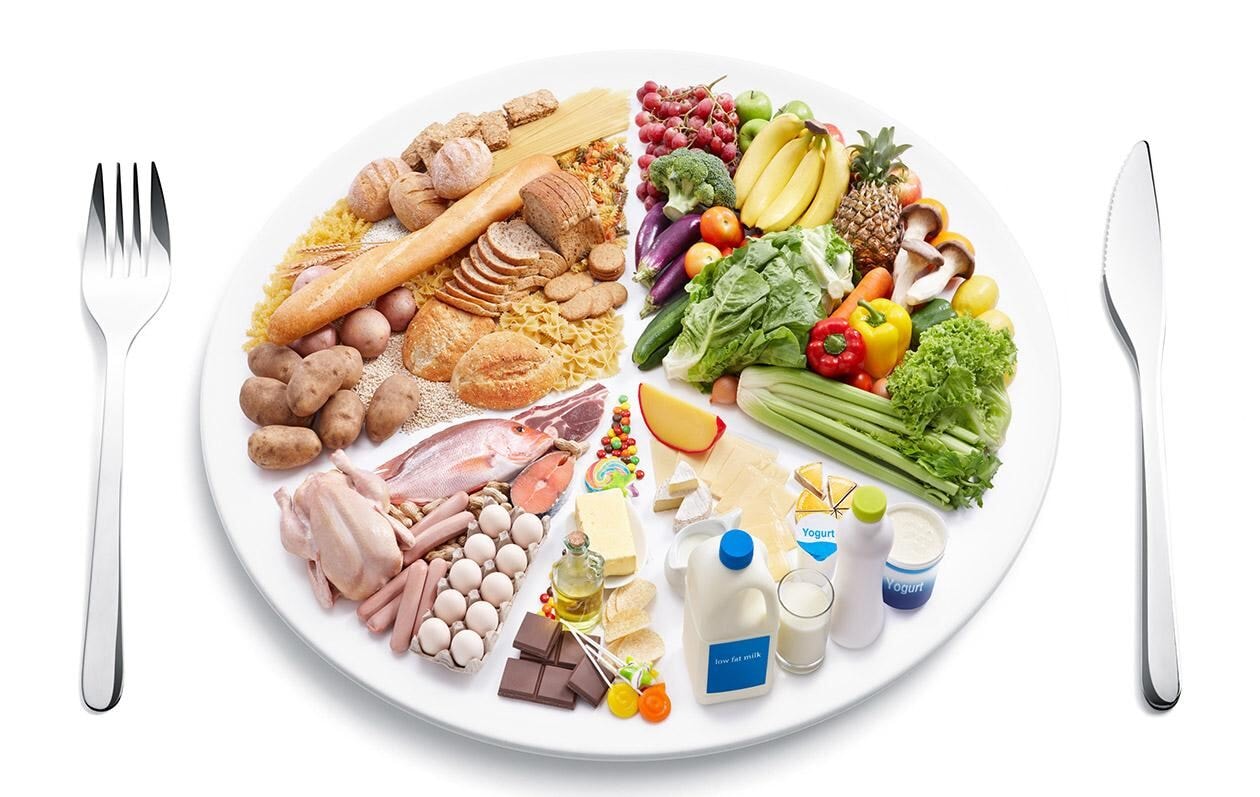
A balanced diet plan combines nutrient dense foods from all food groups to build overall health and maintain a healthy body weight. It supports better energy, lowers chronic disease risk, and keeps the body functioning at its best.
"Let food be thy medicine and medicine be thy food."
— Hippocrates
Understanding its core idea helps form the foundation for truly sustainable nutrition habits.
Core principles of a balanced diet plan:
-
Include all major food groups: whole grains, fruits, vegetables, proteins, and dairy foods.
-
Prioritize nutrient dense foods over processed or fried foods.
-
Keep energy intake in line with activity levels to maintain stable body weight.
-
Replace unhealthy fats with healthy fats like olive oil and nuts.
-
Drink enough water to aid digestion and nutrient absorption.
Find practical meal ideas and smart swaps on Balance Bite to turn these principles into everyday habits
A balanced diet plan doesn’t restrict; it organizes. When food choices are structured around nourishment, the body gains stamina, clarity, and lasting strength.
"A balanced diet is a cookie in each hand."
— Barbara Johnson
This understanding naturally opens the door to exploring how such a diet translates into real health benefits that last.
Key health benefits of following a balanced and healthy diet
A healthy diet rich in whole grains, plant based foods, and lean proteins provides powerful additional health benefits.
Core health benefits of a balanced and healthy diet:
-
Heart health: Whole grains, olive oil, and unsaturated fats lower cholesterol and protect against heart disease.
-
Brain health: Plant based foods rich in antioxidants and healthy fats support memory, focus, and emotional balance.
-
Body weight control: Consistent energy intake from balanced meals helps maintain healthy body weight without extremes.
-
Reduced chronic risk: Nutrient dense foods and fiber minimize risk factors for diabetes, high blood pressure, and obesity.
-
Improved overall health: Balanced nutrients keep organs, muscles, and metabolism working smoothly for better health every day.
Each of these benefits reinforces how food acts as prevention, not just nourishment. From here, the focus shifts to understanding what happens when that balance breaks, the hidden dangers of an unhealthy diet.
The hidden dangers of an unbalanced and unhealthy diet
Regularly consuming processed foods, fried foods, or too much saturated fat can lead to high blood pressure, heart disease, and other chronic diseases. Trans fats, highly processed foods, and sugary drinks also weaken heart health.
"The food you eat can either be the safest and most powerful form of medicine or the slowest form of poison."
— Ann Wigmore
Knowing how these unhealthy foods affect the body highlights why mindful nutrition matters.
-
Choosing fried foods and sugary drinks instead of nutrient rich plant based foods.
-
Relying on highly processed foods and red meat that add unhealthy fats to the diet.
-
Ignoring the value of whole grain crackers, starchy vegetables, and vitamin C rich fruits that help maintain better health.
-
Skipping physical activity, which reduces the body’s ability to use energy efficiently.
Learn how small food choices shape long-term health with Balance Bite
How these habits affect the body:
Fried foods and sugary drinks raise blood sugar levels and cause insulin resistance, eventually leading to fatigue and weight gain. Processed meats and red meat introduce unhealthy fats that clog arteries, raise cholesterol, and elevate blood pressure.
Over time, these choices strain the heart and increase the risk of cardiovascular disease.
Lack of nutrient dense foods weakens cell repair and digestion, while excessive saturated fats disrupt metabolism and reduce the absorption of key nutrients. Limited physical activity compounds the issue, slowing the body’s ability to burn energy and maintain balance.
Together, these effects disturb organ function and lower resilience against chronic diseases. Once this imbalance sets in, exploring different types of diets becomes essential to rebuild stability and support lasting overall health.
Different types of diets that promote a healthy lifestyle
A vegetarian diet, plant based foods, and low fat diet plans each encourage healthy eating in different ways. These eating patterns, often guided by registered dietitians, help manage dietary restrictions while supporting balanced nutrition.
Each approach offers unique principles that can fit diverse lifestyles and preferences.
| Diet Type | Core Focus | Key Foods Included | Health Impact |
|---|---|---|---|
| Vegetarian Diet | Excludes meat while emphasizing plant based foods | Vegetables, fruits, legumes, whole grains, nuts | Improves heart health and reduces chronic disease risk |
| Plant Based Diet | Prioritizes foods from plants over animal sources | Fresh fruit, starchy vegetables, seeds, olive oil | Supports better digestion, weight control, and overall health |
| Low Fat Diet | Reduces total fat intake and replaces unhealthy fats | Lean meats, low fat dairy products, whole grain crackers | Lowers cholesterol and supports cardiovascular function |
| Mediterranean Diet | Combines healthy fats with whole grains and fresh produce | Olive oil, whole grains, fish, nuts, fruits | Enhances heart health and offers additional health benefits |
| High Protein Diet | Increases protein intake to build and repair tissues | Lean meats, cottage cheese, skinless poultry, plant proteins | Improves metabolism and supports body weight management |
Each diet may differ in approach, but all share one foundation, the balance of essential food groups. These core categories supply the nutrients that keep the body functioning smoothly and the mind alert.
Understanding how each food group contributes to energy, recovery, and overall health forms the basis of a truly sustainable diet plan.
Essential Food Groups and Their Role in a Healthy Diet Plan
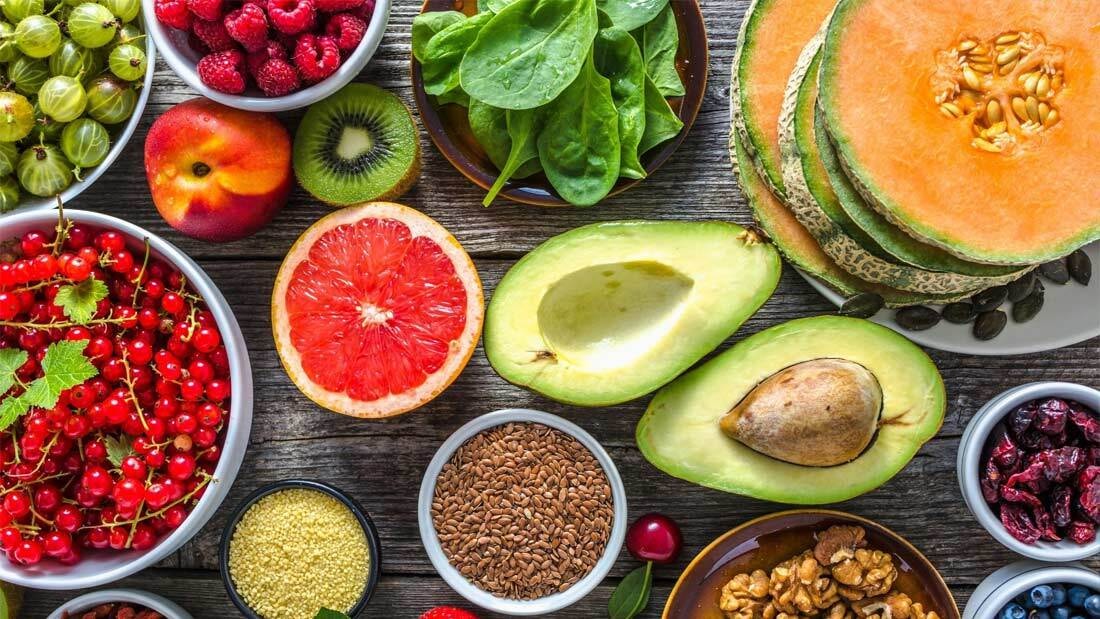
Each food group plays a key role in healthy eating, providing nutrients that balance energy intake and support overall health. From fresh fruit and starchy vegetables to dairy foods and whole grains, every category serves a distinct purpose in maintaining the body’s rhythm of nourishment.
1. Fruits and Vegetables for Vitamins, Minerals, and Fiber
Fresh fruit, starchy vegetables, and plant based foods supply vitamin C, fiber, and key nutrients essential for healthy eating. They help maintain body weight, support brain health, and lower chronic diseases. Including options like sweet potatoes and fresh fruit juices adds natural antioxidants that offer health benefits.
Best Practices:
-
Combine colorful fruits and vegetables for complete nutrient coverage.
-
Limit sugar sweetened beverages and rely on natural fruit juice for hydration.
-
Use local, seasonal produce to retain maximum vitamin and mineral content.
Including a variety of fruits and vegetables ensures balanced meals that naturally strengthen overall health.
2. Whole Grains as the Body’s Main Energy Source
Whole grains like brown rice and whole grain crackers provide steady energy intake while improving blood sugar balance. These nutrient dense foods reduce risk factors linked to heart disease and chronic diseases.
Best Practices:
-
Opt for unrefined grains like oats, millet, and quinoa over white rice.
-
Pair grains with fiber-rich vegetables to improve digestion.
-
Choose whole grains to reduce excess energy waste and lower greenhouse gas emissions from overprocessed foods.
Regularly choosing whole grains over refined options sustains healthy eating and body weight control.
3. Protein-Rich Foods for Muscle Repair and Strength
Lean meats, skinless poultry, and plant based foods give the body amino acids that repair tissues and maintain healthy body weight. Including cottage cheese and red meat in moderation prevents excess calories while supporting overall health.
Best Practices:
-
Mix plant proteins (lentils, beans) with animal proteins for balanced amino acid intake.
-
Replace fried meats with grilled or steamed options.
-
Use small portions of lean meats alongside vegetables for optimal nutrient use.
Balanced protein choices help sustain energy expenditure and better health outcomes.
4. Dairy Foods for Calcium and Bone Health
Dairy foods like milk, yogurt, and low fat dairy products supply calcium and other key nutrients that build strong bones. They fit naturally into a healthy diet by supporting overall health and better body weight.
Best Practices:
-
Choose low fat dairy for bone health without adding saturated fats.
-
Pair dairy foods with fruits or whole grains for balanced meals.
-
Replace heavy creams with yogurt or cottage cheese in recipes for lighter options.
Consuming nutritious foods from this food group promotes lifelong bone strength.
5. Healthy Fats and Oils, Including Olive Oil, for Heart Protection
Healthy fats such as olive oil, olive oils, and unsaturated fats help maintain heart health and reduce heart disease risk. Avoiding trans fats, saturated fats, and too much saturated fat supports a diet rich in nutrients.
Best Practices:
-
Use olive oil or coconut oil instead of butter for daily cooking.
-
Focus on nuts, seeds, and avocado for unsaturated fats that support cardiovascular health.
-
Balance fat intake with high fiber foods to improve digestion and nutrient absorption.
Choosing the right balance of healthy fat creates lasting cardiovascular benefits that extend beyond diet and into overall well-being.
The essential food groups form the structure of every effective diet. Each one contributes to balanced meals, sustained energy, and long-term vitality.
With this foundation in place, the next focus turns to understanding the Mediterranean diet, a proven model that builds on these same principles to enhance heart and overall health.
Mediterranean Diet: A Model for Long-Term Heart and Overall Health
The Mediterranean diet, centered on olive oil, whole grains, and plant based foods, offers one of the best examples of a diet rich in healthy fats. It supports heart health, lowers cholesterol levels, and reduces heart disease risk through simple, consistent food choices that feel effortless over time.
Sample Mediterranean diet plan
| Meal | Example Foods | Key Benefits |
|---|---|---|
| Breakfast | Whole grain toast with olive oil, fresh fruit, and Greek yogurt | Boosts energy and provides healthy fats for heart protection |
| Mid-Morning Snack | Handful of nuts or seeds with fruit juice | Supplies antioxidants and supports balanced blood sugar levels |
| Lunch | Brown rice bowl with grilled vegetables, chickpeas, and a drizzle of olive oil | High fiber meal that promotes digestion and reduces cholesterol |
| Evening Snack | Whole grain crackers with cottage cheese or a piece of fresh fruit | Adds protein and calcium for sustained energy |
| Dinner | Grilled fish or skinless poultry with sweet potatoes, olive oils, and leafy greens | Delivers omega-rich fats and essential nutrients for overall health |
This diet thrives on simplicity and balance rather than restriction. Its variety of plant based foods, lean proteins, and healthy oils makes it easier to sustain than most eating plans.
As a model for lifelong wellness, the Mediterranean approach sets the stage for exploring how nutrition experts design and follow dietary plans that deliver consistent, evidence-based results.
How Nutrition Experts Design and Follow an Effective Dietary Plan

Registered dietitians and healthcare providers create eating plans that balance meal timing, portion control, and nutrient distribution. Their approach emphasizes meal plans and food preferences tailored to individual goals while improving overall health.
This method shows that effective planning isn’t strict, it’s structured for success.
How experts use dietary plans to build lifelong health:
-
Daily balance over extremes: They eat in rhythm with their day — small, frequent meals that maintain steady energy intake and blood sugar balance.
-
Food quality over quantity: Processed foods are replaced with plant based meals, healthy fats like olive oil, and high-fiber whole grains.
-
Purposeful moderation: They enjoy favorite foods mindfully, using portion control instead of strict avoidance.
-
Active accountability: Regular physical activity, hydration, and reflective eating patterns help track progress without pressure.
-
Continuous learning: They adapt based on their body’s feedback, understanding that longevity is built through awareness, not rules.
Experts view diet planning as an evolving partnership between food and body, a system that aligns health goals with everyday life. Once this connection is understood, it becomes easier to choose the right plan that matches your own body type and metabolism.
Choosing the Right Diet Plan for Your Body Type and Metabolism
Each body type processes energy intake differently, so a healthy diet must match metabolism and lifestyle. Staying physically active while maintaining a healthy body weight helps support long-term results. When nutrition fits your body type, healthy eating becomes natural instead of forced.
1. Diet Plan for Ectomorph Body Type (Lean and Fast Metabolism)
An ectomorph’s fast metabolism requires nutrient dense foods and balanced meals that boost energy intake. Including whole grains, healthy fats, and protein helps maintain healthy body weight and overall health. Staying physically active complements this diet for steady growth and strength.
Best practices:
-
Eat small, frequent meals high in calories and nutrients.
-
Include calorie-dense plant based foods like nuts, seeds, and avocados.
-
Combine carbs and protein after workouts to support muscle recovery.
2. Diet Plan for Mesomorph Body Type (Athletic and Balanced Build)
Mesomorphs benefit from a healthy diet emphasizing lean meats, whole grains, and fresh fruit for steady energy intake and energy expenditure. Balanced meals and regular physical activity sustain body weight and promote overall health. Maintaining nutrient balance ensures optimal performance.
Best practices:
-
Split meals evenly between protein, carbohydrates, and healthy fats.
-
Use whole grains and plant based foods as primary energy sources.
-
Stay hydrated and maintain consistent meal timing to support metabolism.
3. Diet Plan for Endomorph Body Type (Slower Metabolism and Easy Weight Gain)
Endomorphs need an eating plan with controlled energy intake, fewer processed foods, and more whole grains and plant based foods. A low fat diet paired with regular physical activity helps lose weight and maintain a healthy body weight. This structure supports long-term metabolic balance.
Best practices:
-
Focus on high-fiber foods like vegetables, lentils, and oats.
-
Limit sugary drinks and processed snacks that slow metabolism.
-
Combine strength training with moderate cardio for effective fat loss.
4. Diet Plan for Mixed or Hybrid Body Types
Hybrid body types thrive on different foods from all food groups, combining healthy fats, whole grains, and lean proteins. A balanced approach that adjusts energy intake and meal plans builds overall health. Personalizing food preferences makes healthy eating practical.
Best practices:
-
Track how your body responds to different macronutrient ratios.
-
Mix meal types, some high-carb, some protein-dense, to stay flexible.
-
Adapt the plan seasonally to match activity levels and appetite.
5. Diet Plan for Body Recomposition and Balanced Physique
For recomposition, balanced meals high in protein, whole grains, and healthy fats are key. This eating pattern supports muscle gain while managing body weight. Staying physically active and consistent with nutritious foods builds lasting strength and better health.
Best practices:
-
Increase protein intake while keeping calories moderate.
-
Use healthy fats like olive oil for sustained energy during training.
-
Adjust portion sizes based on strength progress and recovery rate.
Each body type thrives on structure, not restriction. The goal is to use food as a tool to work with your metabolism rather than against it.
Once the right match is found, adapting an eating plan for specific health conditions, like blood pressure, cholesterol, or thyroid function, becomes the next step toward complete balance.
Adapting Your Eating Plan for Better Blood Pressure and Overall Health Management

An effective eating plan can stabilize blood pressure and reduce risk factors for heart disease. Limiting processed meats, unhealthy foods, and certain high-sodium options supports better heart health and long-term balance.
The right adjustments can make managing chronic conditions a simple part of everyday life.
1. Eating Plan for High Blood Pressure (Hypertension Control)
A structured eating plan with reduced salt, fewer processed foods, and more fresh fruit and whole grains helps manage high blood pressure. These healthy diet habits lower heart disease risk factors and support overall health.
Key habits to follow:
-
Use herbs, lemon, or olive oil instead of salt for flavor.
-
Prioritize potassium-rich foods like bananas, spinach, and sweet potatoes.
-
Choose whole grains and plant based meals over processed or fried foods.
2. Dietary Changes to Manage High Cholesterol and Heart Health
Replacing saturated fats and trans fats with olive oil and unsaturated fats reduces cholesterol levels and heart disease risk. A heart health focused diet rich in whole grains and fresh fruit keeps blood pressure balanced and supports overall health.
Key habits to follow:
-
Limit red meat and processed meats to occasional servings.
-
Add olive oil, nuts, and seeds as daily sources of healthy fats.
-
Include high-fiber foods such as oats, lentils, and brown rice.
3. Balanced Diet Tips for Diabetes and Blood Sugar Control
A healthy diet with whole grains, starchy vegetables, and fresh fruit helps stabilize blood sugar and energy intake. Limiting sugary drinks and highly processed foods reduces risk factors for chronic diseases.
Key habits to follow:
-
Pair complex carbs with protein to reduce blood sugar spikes.
-
Replace sugary drinks with fresh fruit juice or infused water.
-
Eat smaller, frequent meals to keep glucose levels consistent.
4. Healthy Eating Plan for Sustainable Weight Loss
Sustainable weight loss depends on healthy eating patterns, balanced meals, and moderate energy intake. Whole grains, plant based foods, and lean proteins help maintain a healthy body weight while improving overall health.
Key habits to follow:
-
Avoid crash diets and focus on steady calorie control.
-
Include high-fiber foods to stay full longer.
-
Balance physical activity with nutrient-rich meals for lasting results.
5. Foods to Support Thyroid Health and Metabolism
Nutritious foods such as dairy foods, whole grains, and lean meats aid thyroid function and metabolism. A balanced diet rich in healthy fats and key nutrients sustains overall health and steady energy.
Key habits to follow:
-
Add iodine-rich foods like eggs, yogurt, and seafood.
-
Avoid excess processed foods that interfere with hormone function.
-
Pair protein-rich meals with whole grains for metabolic support.
6. Diet Plan to Improve PCOS and Hormonal Balance
A low fat diet emphasizing whole grains, fresh fruit, and plant based foods supports hormonal balance and healthy body weight. Registered dietitian guidance ensures dietary restrictions align with overall health.
Key habits to follow:
-
Choose low glycemic index foods like lentils, oats, and non-starchy vegetables.
-
Add healthy fats such as olive oil and avocado to manage inflammation.
-
Maintain regular meal timing to balance hormones naturally.
7. Low Sodium and Kidney-Friendly Food Choices
Reducing processed meats, highly processed foods, and certain foods high in sodium supports kidney function and blood pressure control. Pairing low fat diet habits with healthy fats promotes long-term heart health.
Key habits to follow:
-
Limit pickled and packaged foods that increase sodium load.
-
Drink enough water to aid kidney filtration.
-
Include potassium-rich foods like oranges and sweet potatoes.
8. Anti-Inflammatory Diet for Joint and Gut Health
An anti-inflammatory diet high in unsaturated fats, olive oils, and fatty acids from plant based foods reduces chronic inflammation. Including whole grains and fresh fruit helps lower risk factors for chronic diseases and supports overall health.
Key habits to follow:
-
Include omega-3 sources like walnuts, flaxseeds, and fatty fish.
-
Limit refined carbs and fried foods that trigger inflammation.
-
Focus on colorful plant based foods for natural antioxidants.
When adjusted with precision, dietary plans become tools for healing, not just eating. Once these health-specific strategies are in place, the next step lies in learning how to sustain them, turning consistency into an everyday practice through simple, mindful habits.
Simple Steps to Make Your Dietary Plan Part of Everyday Healthy Eating
Healthy eating becomes effortless when small changes are built into routine. Balanced meals, meal plans, and smart food group choices help maintain a healthy diet without strict rules. Over time, these consistent habits shape not just what you eat, but how naturally you sustain better health.
1. Build realistic goals instead of strict rules
Set achievable goals focused on improvement, not perfection. Begin with one or two dietary changes each week, such as reducing processed foods or adding more whole grains, and expand gradually as the routine strengthens.
-
Start by improving one meal per day instead of changing your entire plan.
-
Replace one unhealthy habit, like skipping breakfast, with a small, consistent fix.
-
Track progress weekly rather than expecting quick transformation.
2. Create a flexible eating plan that fits your routine
A plan works only if it fits your lifestyle. Adjust meal timing and portion size according to your energy levels, physical activity, and daily schedule so eating feels intuitive rather than forced.
3. Prepare and plan meals ahead for busy days
Batch-cook grains, chop vegetables, and portion proteins in advance. A prepared kitchen reduces dependence on takeout and ensures nutrient rich meals even during hectic workdays.
-
Cook grains or proteins in batches for the week ahead.
-
Keep frozen vegetables and whole grains ready for quick meals.
-
Store snacks like nuts or fruit in small containers for on-the-go eating.
4. Keep healthy food groups easily accessible at home
Place fruits, nuts, and yogurt where they’re easy to grab. Visibility influences choices, and easy access to whole foods encourages better eating patterns throughout the day.
-
Keep a bowl of fresh fruit visible on the counter.
-
Store cut vegetables in clear containers at eye level in the fridge.
-
Move processed snacks out of sight to reduce impulsive eating.
5. Allow occasional treats to avoid burnout
In moderation, your favorite foods belong in your diet. Allowing small indulgences keeps your relationship with food balanced and prevents cravings from turning into binge cycles.
6. Track progress with small weekly check-ins
Reflect on energy, digestion, and mood rather than just weight. These indicators show whether your plan supports overall health and sustainable improvement.
-
Note energy levels and concentration instead of fixating on the scale.
-
Record how meals affect digestion, sleep, or performance.
-
Identify what meals leave you satisfied the longest.
7. Revisit and adjust your diet as your needs change
Body needs shift with age, activity, and lifestyle. Review your plan regularly and update it with guidance from a registered dietitian if needed to maintain steady results.
8. Stay consistent with mindful eating habits
Eat slowly, appreciate flavors, and stop when satisfied. Mindful eating improves digestion, supports healthy body weight, and reconnects food with nourishment rather than habit.
-
Chew slowly to recognize taste and fullness.
-
Pause halfway through a meal to assess hunger.
-
Eat without screens to focus on your body’s natural signals.
When these steps become part of everyday life, a dietary plan stops being a checklist and starts becoming a lifestyle. This steady consistency forms the bridge between eating well today and maintaining lifelong health tomorrow.
FAQs
1. Can stress or lack of sleep affect your ability to lose weight effectively?
Yes. Chronic stress and poor sleep disrupt metabolism and increase cravings for processed foods, making it harder to lose weight. Managing rest and relaxation supports a healthy diet and balanced energy intake needed for steady weight control.
2. How important is hydration when following a balanced diet plan?
Hydration is crucial for maintaining overall health and steady body weight. Drinking enough water helps digestion, balances energy expenditure, and supports nutrient absorption in all food groups, keeping the body functioning efficiently.
3. Are supplements necessary if you follow a healthy diet every day?
If your meals already include nutrient dense foods and key food groups, supplements may not be essential. A healthy diet with whole grains, fresh fruit, and dairy foods usually provides enough vitamins and minerals naturally.
4. What are some quick healthy eating tips for people with busy schedules?
Plan balanced meals ahead using whole grains, lean proteins, and fresh fruit. Keep nutritious foods ready-to-eat, and avoid highly processed foods or sugary drinks. Small, consistent choices ensure healthy eating even on tight days.
5. How can portion control improve overall health and prevent overeating?
Portion control helps regulate energy intake and prevents excess calories that lead to unhealthy body weight. It encourages mindful eating patterns, allowing a healthy diet to support long-term better health and reduced chronic diseases.
Conclusion
A good dietary plan doesn’t end with what’s on your plate, it begins with how you choose every meal. The goal is simple: act with awareness. Build consistency through small, intentional steps, listen to your body’s signals, and refine your habits as you grow.
Start today by planning one balanced meal, preparing it mindfully, and eating with purpose. Over time, these small actions become the quiet discipline that builds lifelong health.
Stay inspired to eat with intention, discover balanced living guides on Balance Bite


Leave a comment
Translation missing: en.blogs.comments.discription