

Food decisions start feeling heavier the moment chronic kidney disease enters daily life. Meals stop being routine, and every choice begins to feel tied to kidney function, energy levels, and long-term health.
This article exists to remove that pressure. It breaks down 10 science-based steps that show how to build a CKD diet plan that fits daily life, without guesswork or rigid food rules.
Each step focuses on practical decisions you can make at home, using clear reasoning instead of fear, so eating feels manageable again.
What Is Chronic Kidney Disease And How It Impacts Diet?
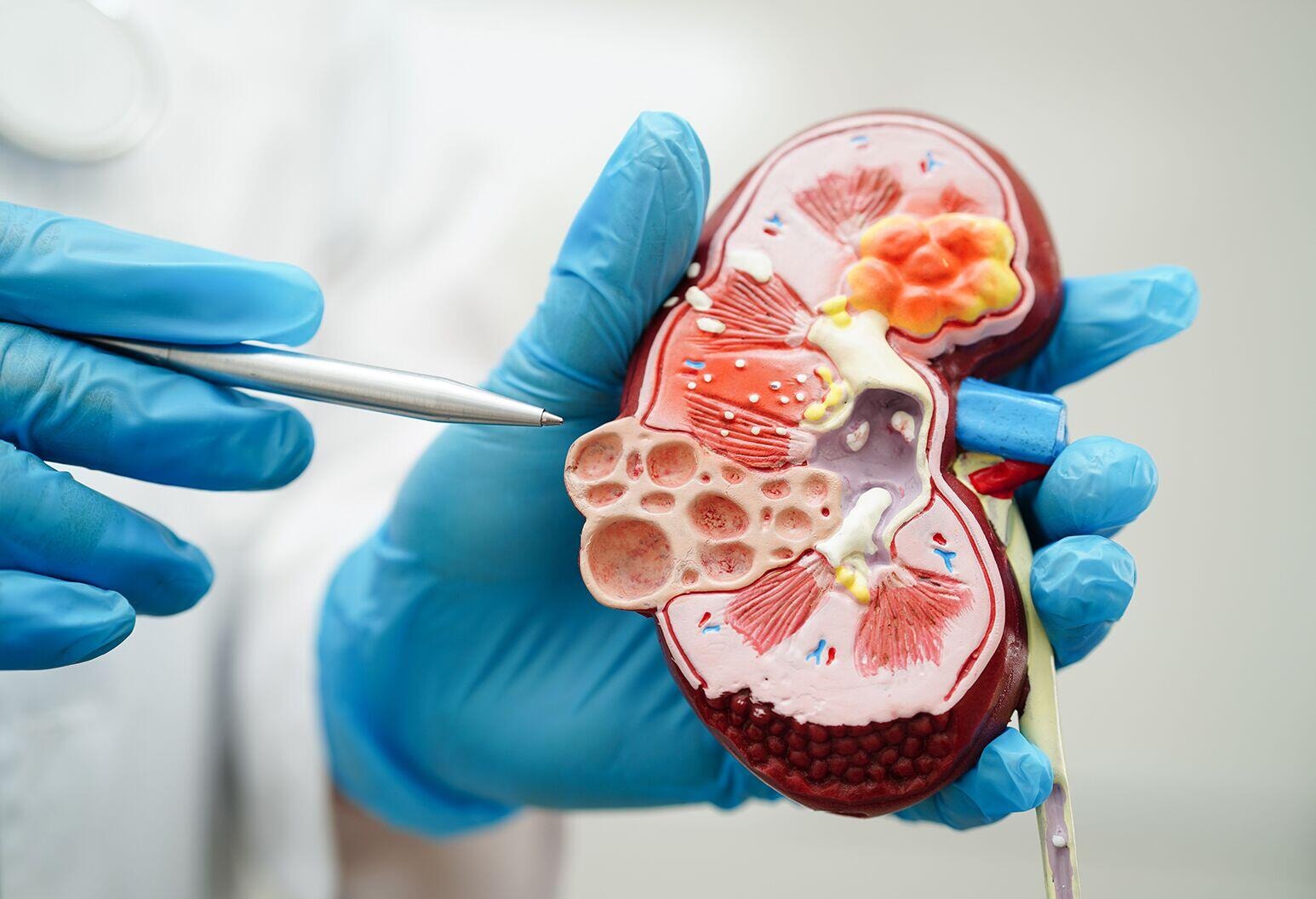
Chronic kidney disease is a long-term condition where kidney function declines gradually, affecting blood filtration and fluid balance over time. As kidney damage progresses, healthy kidneys lose their ability to remove waste efficiently, increasing health problems and disease progression risks.
Diet then becomes a daily tool to protect kidney health and support long-term kidney function.
What this condition changes inside the body
Chronic kidney disease alters several internal systems that depend on stable filtration and fluid control.
-
Blood filtration slows down, allowing waste products to build up in circulation.
-
Fluid balance shifts, increasing the risk of swelling and sudden weight changes.
-
Electrolyte balance weakens, affecting muscles, nerves, and heart rhythm.
-
Hormonal regulation changes, influencing bone strength and oxygen delivery.
Common symptoms that influence eating patterns
Symptoms often appear gradually and can directly affect appetite, tolerance, and meal choices.
-
Persistent fatigue that reduces meal regularity.
-
Swelling in feet, ankles, or face linked to fluid retention.
-
Poor appetite or early fullness, especially as waste builds up.
-
Nausea or metallic taste, which can change food preferences.
-
Changes in urination, including frequency or volume.
Example
A person who feels full quickly may skip meals, leading to low energy and muscle loss, even when calorie needs remain high.
Why food starts behaving differently in CKD
Food becomes a daily input the kidneys must manage with reduced capacity.
-
Sodium increases fluid retention and blood pressure load.
-
Protein creates metabolic waste that requires filtration.
-
Potassium and phosphorus can accumulate and trigger symptoms.
-
Fluids may build up when output declines.
How this shapes diet decisions
A kidney-focused diet is not about restriction alone. It is about reducing internal stress while maintaining strength and nutritional balance.
-
Choose foods that match filtration capacity.
-
Adjust portions based on symptoms and labs.
-
Support energy needs without increasing waste load.
These foundations explain why diet adjustments must change as kidney disease progresses, which leads directly into how early and advanced stages require different approaches.
Diet Plan Adjustments: Early vs Advanced Chronic Kidney Disease
Diet needs shift as chronic kidney disease advances, especially for kidney patients facing electrolyte balance issues, fluid buildup, or dialysis patients managing maintaining electrolyte balance. Early stages focus on protection, while advanced stages demand tighter control to prevent complications.
Understanding these differences helps prevent kidney stress at every phase.
| Diet Impact Area | Early Chronic Kidney Disease | Advanced Chronic Kidney Disease |
|---|---|---|
| Kidney workload from food | Kidneys handle moderate nutrient loads | Even small excesses increase strain |
| Protein handling | Moderate protein supports maintenance | Intake tightly controlled or adjusted for dialysis patients |
| Sodium tolerance | Reduced but manageable | Strict limits to control fluid buildup |
| Potassium response | Usually stable with monitoring | Highly sensitive to small changes |
| Phosphorus clearance | Slower but functional | Poor clearance increases bone risk |
| Fluid balance | Generally stable | Easily disrupted without limits |
| Diet flexibility | Broader food choices | Narrower, symptom-driven options |
Early-stage eating focuses on preservation, allowing the kidneys to function with less pressure. Advanced-stage eating shifts toward precision, where diet directly affects swelling, fatigue, and daily comfort.
Understanding this progression prepares the ground for identifying the specific nutrients that shape a CKD diet plan and why each one carries a different level of importance.
Key Nutrients That Shape a CKD Diet Plan

A CKD diet plan is shaped by protein intake, sodium intake, potassium levels, phosphorus control, and fluid intake, all influencing blood vessels and body energy.
Managing lean protein, healthy fats, fatty acids, and whole grains supports stability while avoiding excess sodium or too much potassium that disrupts balance.
1. Protein Intake and Quality
Protein supports muscle strength, immune function, and recovery, but it also produces waste that relies on blood filtration. In chronic kidney disease, the goal is not to remove protein, but to choose the right amount and quality.
-
Lean protein reduces waste load per serving
-
Protein intake must match CKD stage and symptoms
-
Overconsumption accelerates kidney workload
-
Underconsumption leads to muscle loss and fatigue
Example
A measured portion of eggs or lean chicken supports strength better than large servings of mixed processed protein sources.
2. Sodium Levels and Fluid Balance
Sodium intake directly influences fluid retention and how hard blood vessels must work. Too much sodium pulls excess fluid into circulation, making swelling and blood pressure harder to manage.
-
High sodium increases fluid buildup
-
Low sodium supports regulating blood pressure
-
Sodium control improves breathing comfort and appetite
-
Limiting sodium makes fluid intake easier to manage
Example
Home-cooked meals often contain less sodium than packaged foods, even when portions look similar.
3. Potassium Control for Heart and Muscle Function
Potassium levels affect muscle movement and heart rhythm. In CKD, potassium can rise even when symptoms feel mild, which is why lab values guide food choices.
-
Elevated potassium disrupts heart rhythm
-
Low potassium fruit may be needed when levels rise
-
Cooking methods can lower potassium content
-
Balance matters more than total avoidance
Example
Choosing apples instead of bananas can help control potassium without removing fruit entirely.
4. Phosphorus Management for Bone Health
Phosphorus control protects bones and blood vessels. When kidneys cannot clear phosphorus effectively, it pulls calcium from bones and weakens structural support.
-
Too much phosphorus increases fracture risk
-
Phosphorus additives absorb quickly
-
High phosphorus foods affect long-term stability
-
Label reading becomes essential
Packaged foods often contain hidden phosphorus additives that raise levels faster than natural foods.
5. Fluid Intake and Hydration Limits
Fluid intake influences swelling, circulation, and daily comfort. In CKD, fluids accumulate more easily when kidney output drops.
-
Excess fluids worsen swelling and breathlessness
-
Fluid limits depend on urine output and stage
-
Sodium intake and fluid intake work together
-
Consistency matters more than strict timing
Example
Soups, gravies, and fruit juices all count toward fluid intake, not just water.
6. Energy From Carbohydrates and Fats
Body energy depends on reliable calories. Restricting too much food leads to weakness, while balanced intake supports activity and healing.
-
Healthy fats provide concentrated energy
-
Fatty acids support heart and vascular health
-
Whole grains offer steady fuel when allowed
-
Energy balance prevents weight loss or gain
Example
Using olive oil for cooking adds calories without increasing sodium or phosphorus.
7. Micronutrients and Vitamin Balance
Micronutrients support immunity, wound healing, and appetite. Food restrictions can lower vitamin intake if meals are not planned carefully.
-
Vitamin C supports tissue repair and immunity
-
Variety prevents micronutrient gaps
-
Supplements should match medical guidance
-
Food sources are preferred when possible
Example
Including kidney-safe fruits and vegetables helps maintain micronutrient balance naturally.
8. Fiber Intake Through Kidney-Safe Foods
Fiber supports digestion, blood sugar control, and appetite stability. In CKD, fiber choices must align with potassium and phosphorus limits.
-
Fiber improves gut health
-
Kidney-safe sources reduce constipation
-
Whole grains may be limited by stage
-
Balance improves meal satisfaction
Example
Oats in controlled portions provide fiber without overwhelming potassium intake.
9. Acid Load and Alkalinity Balance
Acid load affects muscle breakdown and metabolic stability. As kidney function declines, managing acid balance becomes more important.
-
High acid load stresses muscles
-
Protein choices influence acid production
-
Plant-based balance reduces acid burden
-
Long-term control supports comfort
Example
Balancing animal protein with vegetables helps maintain metabolic stability.
Understanding how each nutrient behaves explains why a CKD diet plan cannot rely on general food rules alone, which leads directly into how to build a complete plan with all essential nutrients included.
Steps to Build a Chronic Kidney Disease (CKD) Diet Plan With All Essential Nutrients Included

Building a kidney friendly diet requires aligning dietary guidelines with lab values, body needs, and a structured meal plan.
A kidney friendly eating plan balances fruits and vegetables, low sodium choices, healthy weight control, and stable blood sugar without promoting weight gain or restriction errors.
1. Set Protein Targets Based on CKD Stage
Protein needs change across CKD stages to avoid muscle loss while reducing kidney stress. Choosing lean protein sources like lean meats supports strength without accelerating kidney damage.
Proper protein intake helps support kidney health while preventing unnecessary strain as kidney function declines. For more detailed meal planning, refer to the Indian diet food chart.
How to set the target
-
Use CKD stage and recent labs to guide the range.
-
Keep portions consistent across meals to reduce waste spikes.
-
Favor lean protein choices that are easier to dose accurately.
Example
A measured portion of grilled chicken is easier to control than mixed restaurant curries with unknown protein quantity.
2. Define Safe Sodium Intake Limits
Managing sodium is essential because too much sodium increases fluid retention and blood pressure stress. Limiting sodium helps regulating blood pressure and reduces cardiovascular risk. Clear sodium intake limits protect the kidneys while improving long-term dietary control.
Where sodium usually hides
-
Packaged foods like soups, sauces, and instant mixes
-
Processed meats and snack foods
-
Restaurant gravies and marinades
Practical approach
-
Pick two meals a day that stay naturally low sodium.
-
Use spices, lemon juice, and herbs to maintain taste.
3. Establish Potassium Ranges From Lab Values
Potassium ranges should always reflect lab results, not assumptions. Including low potassium fruit when levels rise helps prevent nerve and heart complications. Matching food choices to potassium levels keeps daily intake safe and predictable.
How to apply potassium limits without removing fruit
-
Select low potassium fruit for daily use.
-
Use cooking methods that reduce potassium in vegetables.
-
Keep portions steady, then reassess after follow-up labs.
Example
A bowl of mixed fruit can push potassium higher than expected, while a single low potassium fruit serving stays predictable.
4. Control Phosphorus Intake Through Food Selection
Too much phosphorus weakens bones and worsens mineral imbalance in CKD. Avoiding phosphorus additives in packaged foods is often more important than cutting whole foods. Phosphorus control protects skeletal health while reducing long-term complications.
What to focus on first
-
Scan ingredient lists for phosphorus additives.
-
Reduce packaged foods that rely on preservatives.
-
Keep high phosphorus foods occasional, not daily.
Example
Two “healthy” protein bars can add more phosphorus additives than a simple home-cooked meal.
5. Balance Fluid Intake With Daily Output
Fluid needs depend on urine output, swelling, and disease stage. Poor fluid balance contributes to discomfort and circulation issues. Matching fluid intake to daily output supports overall kidney health and reduces avoidable stress.
How to measure fluid realistically
-
Count water, tea, soups, and fruit juices together.
-
Track swelling and morning weight patterns.
-
Pair fluid control with sodium control for stability.
6. Include Kidney-Safe Fruits and Vegetables
Fruits and vegetables remain important when chosen carefully. Many provide fiber and vitamin c without overwhelming potassium levels. Proper selection maintains nutrition while keeping mineral balance stable.
What “kidney-safe” means in practice
-
Choose options that fit potassium ranges.
-
Keep portions consistent across the week.
-
Balance fruit with fiber-rich vegetables when possible.
Example
One serving of vegetables daily is easier to maintain long term than sudden large changes that do not match labs.
7. Ensure Adequate Calories to Prevent Muscle Loss
Low calorie intake increases fatigue and muscle breakdown. Sufficient calories preserve strength and prevent unwanted weight loss. Energy needs must align with activity levels and disease stage.
Signs calorie intake is too low
-
Constant tiredness between meals
-
Loss of strength and grip
-
Skipping meals due to poor appetite
Practical fix
-
Add calories through healthy fats rather than extra salt.
8. Adjust Fat and Carbohydrate Sources for Energy
Choosing healthy fats such as olive oil improves energy intake without increasing inflammation. Limiting saturated fats, saturated and trans fats, and trans fats protects heart and kidney health. Fat quality matters as much as quantity—incorporating balanced meals can help you achieve these goals.
Smart energy choices
-
Use olive oil for cooking and finishing meals.
-
Reduce fried foods that contain saturated and trans fats.
-
Keep carbohydrates stable rather than swinging daily.
9. Plan Meals to Distribute Nutrients Evenly
Structured meals reduce nutrient spikes and fatigue. Using a sample diet chart helps maintain consistency while building a sustainable healthy eating plan. Even distribution improves adherence and confidence.
How to structure the day
-
Keep protein portions similar across meals.
-
Spread potassium sources across the day.
-
Avoid stacking salty foods in one sitting.
Example
A balanced breakfast and lunch can prevent a high-sodium dinner from pushing the whole day off track.
10. Review Nutrient Balance Regularly and Adjust
Nutrient needs evolve with lab trends and symptoms. Regular review prevents silent imbalances and supports long-term stability. Ongoing adjustment keeps the plan aligned with changing health markers.
What to review each time
-
Lab trends over time, not one value
-
Symptom changes like swelling or appetite shifts
-
Weekly consistency, not daily perfection
The next section focuses on why fruits and vegetables still belong in a kidney diet, and how to choose them in a way that stays aligned with potassium and phosphorus control.
Need help translating lab reports into daily meals?
MyBalanceBite works with real dietary patterns, not generic charts, to help you shape eating decisions that fit your body and test results.
Must Include Fruits And Vegetables In A Kidney Diet
Fruits and vegetables play a critical role in kidney diets when chosen correctly. While fruit juices like orange juice require caution, options such as lemon juice and whole produce support fiber intake and metabolic balance.
Avoiding blanket restrictions preserves nutrition while protecting kidney stability.
1. Apples, Pears, and Berries
These fruits are generally easier to portion and fit well into a kidney diet. They provide fiber and antioxidants without sharply affecting mineral balance when eaten in controlled amounts. Their consistency makes them reliable choices for daily meals rather than occasional treats.
2. Cabbage, Cauliflower, and Bell Peppers
These vegetables offer volume and texture with lower mineral load compared to many alternatives. They support digestion and help meals feel complete, which improves adherence to a kidney-focused eating pattern over time.
3. Lettuce, Cucumber, and Zucchini
Light vegetables like these add hydration and fiber without overwhelming potassium intake. They work well as regular additions to meals and help balance heavier protein-focused plates.
4. Grapes, Pineapple, and Plums
These fruits can fit into a kidney diet when portions stay consistent. They add natural sweetness and variety without relying on fruit juices that concentrate sugars and minerals.
5. Lemon Juice as a Flavoring Ingredient
Lemon juice enhances taste without increasing sodium or relying on sauces. Used in small amounts, it helps maintain meal satisfaction while keeping mineral intake stable.
How to use this list effectively
Including fruits and vegetables works best when choices repeat and portions stay steady across the week.
-
Treat fruits as part of meals, not add-ons between meals.
-
Rotate vegetables instead of stacking the same one daily.
-
Prefer whole produce over juices to keep intake predictable.
Example
Adding sliced cucumber and bell peppers to lunch daily creates consistency, while swapping fruit choices every few days prevents overreliance on one option.
These inclusion patterns make it easier to see which foods support stability, which naturally leads into identifying foods that disrupt kidney balance and should be limited or avoided next.
Foods to Strictly Avoid
Certain foods strain kidney health due to excess additives, sodium, and unhealthy fats. Processed foods, packaged foods, processed meats, fried foods, sugary drinks, snack foods, frozen foods, canned vegetables, salt substitutes, and other foods often worsen fluid and mineral control.
Avoidance here is strategic, not restrictive.
1. Processed and Packaged Foods
Processed foods and packaged foods often contain hidden sodium, phosphorus additives, and preservatives that increase kidney workload. These ingredients accumulate quietly and make fluid and electrolyte balance harder to maintain, even when portions appear small.
2. Processed Meats
Processed meats concentrate sodium and additives in a single serving. Regular intake increases fluid retention and mineral imbalance, placing extra strain on kidneys that already filter less efficiently.
Example
A small serving of sausages can contain more sodium than an entire home-cooked meal.
3. Fried Foods
Fried foods are high in unhealthy fats and often reused oils. They contribute to inflammation and interfere with cardiovascular stability, which directly affects kidney circulation.
4. Sugary Drinks and Fruit-Based Beverages
Sugary drinks and some fruit juices deliver concentrated sugar and fluid without fiber. This combination disrupts appetite control and makes fluid intake harder to manage throughout the day.
5. Snack Foods
Snack foods often combine salt, fat, and additives in a way that encourages overeating. These foods push sodium intake quickly without contributing meaningful nutrition.
6. Frozen Foods and Ready Meals
Frozen foods, especially ready-to-eat meals, rely on preservatives and salt for shelf life. Even options marketed as healthy can quietly exceed daily sodium targets.
7. Canned Vegetables
Canned vegetables frequently contain added salt and preservatives. Without rinsing or portion control, they raise sodium intake faster than fresh or home-cooked alternatives.
8. Salt Substitutes
Salt substitutes may replace sodium with potassium. For many kidney patients, this creates a new risk rather than solving the original problem.
9. Other Foods With Additives
Certain foods with long ingredient lists often contain phosphorus additives that are absorbed quickly and strain mineral balance more than natural sources.
How to apply avoidance without stress
Avoidance works best when it simplifies choices rather than limiting enjoyment.
-
Prioritize fresh, minimally prepared foods.
-
Read ingredient lists instead of relying on front labels.
-
Keep repeatable meals that naturally stay low in additives.
Example
A simple rice, vegetable, and protein meal prepared at home often outperforms multiple “healthy” packaged options combined.
Knowing which foods consistently disrupt kidney balance makes it easier to understand why one diet plan cannot produce the same outcomes for everyone, which is where the next section focuses.
Why One Diet Plan Cannot Deliver the Same CKD Outcomes for Everyone?
CKD outcomes vary because conditions like high blood pressure, blood pressure instability, and heart disease change how the body responds to food.
What supports one person may accelerate kidney stress in another. Personal health factors shape how diet influences long-term kidney safety.
What makes outcomes differ between people
A diet plan only works when it matches the body it is meant for. In CKD, the same nutrient can create different effects based on heart health, blood pressure control, medication, and lab trends.
-
Someone with high blood pressure may need stricter sodium control to reduce vascular strain.
-
Someone with heart disease may need tighter fat choices to protect circulation.
-
Two people with similar CKD stage can still have different potassium tolerance.
-
Appetite, weight changes, and daily activity levels shift calorie needs.
Why “safe foods” still behave differently
Kidneys filter, but the heart and blood vessels carry the load created by diet. When blood pressure instability exists, even moderate sodium or fluid changes can show up quickly as swelling, fatigue, or discomfort.
Example
One person may tolerate a bowl of soup if sodium stays low. Another may see swelling the next day due to blood pressure instability and heart disease overlap. For those looking to address such symptoms and restore balance naturally, exploring a Sattvic diet plan can provide supportive solutions.
Key insight
Personalization is not a bonus step. It is the reason the diet plan produces stable results instead of mixed outcomes.
The next section turns this insight into action by laying out steps to personalize your diet plan for multiple health conditions without losing simplicity.
No two kidney journeys look the same.
At MyBalanceBite, dietary guidance is built around individual conditions, not one-size rules, so your plan reflects your health, not just your diagnosis.
Steps to Personalize Your Diet Plan for Multiple Health Conditions
Personalization accounts for medical nutrition therapy, healthy diet goals, eating plan flexibility, and evolving kidney health needs. Working with a registered dietitian and guidance from the National Kidney Foundation helps align choices with changing conditions instead of rigid rules.
1. Identify All Existing Health Conditions and Diagnoses
CKD rarely exists alone. Diabetes, heart disease, digestive issues, or blood pressure problems all change how the body handles food. Listing every diagnosed condition creates the base for a plan that supports kidney patients safely, instead of addressing one issue while worsening another.
-
Note all diagnosed conditions and ongoing symptoms
-
Include medications that influence appetite or minerals
-
Acknowledge lifestyle factors like activity level and sleep
2. Understand Which Nutrients Need Restriction or Emphasis
Some nutrients require strict control, while others must be protected to prevent weakness. Understanding this balance avoids unnecessary restriction and supports long-term nourishment.
-
Limit nutrients that strain kidney health
-
Maintain nutrients that protect strength and immunity
-
Adjust based on labs, not general advice
3. Prioritize Conditions That Require Strict Dietary Control
Not all conditions carry equal risk. Some require immediate attention because diet directly influences outcomes.
-
Uncontrolled blood pressure demands tighter sodium control
-
Diabetes requires careful timing and carbohydrate balance
-
Heart disease influences fat quality and fluid handling
Diet decisions work best when urgency guides structure.
4. Review Recent Lab Reports and Medical Targets
Lab values define real limits, not assumptions. Regular review turns diet planning into a measured process rather than guesswork.
-
Track trends over time, not single values
-
Connect symptoms to lab changes
-
Adjust intake before discomfort escalates
Example
A rising potassium trend may require small food swaps before symptoms appear.
5. Decide Protein, Fluid, and Mineral Limits Together
Protein, fluids, and minerals interact closely. Adjusting one without the others often creates imbalance.
-
Protein affects waste load and muscle health
-
Fluids interact with sodium intake
-
Minerals shift together as kidney function changes
Treating these limits as one system improves stability.
6. Adjust Food Choices Without Eliminating Entire Food Groups
Eliminating food groups increases nutritional gaps and reduces adherence. Substitution protects variety and consistency.
-
Replace rather than remove
-
Control portions instead of banning foods
-
Preserve meal satisfaction to support routine eating
7. Align Meal Timing and Portions With Daily Energy Needs
Meal timing influences blood sugar, digestion, and fatigue. Portion control supports steady energy throughout the day.
-
Distribute nutrients evenly
-
Avoid long gaps between meals
-
Match intake to activity patterns
8. Create a Flexible Eating Plan Instead of Fixed Rules
A flexible eating plan adapts to real life demands like work schedules, travel, and appetite changes. Structure supports consistency without rigidity.
-
Use ranges instead of exact numbers
-
Build repeatable meals
-
Allow adjustments without restarting
9. Reassess the Diet Plan as Health Conditions Change
Health conditions evolve, and diet must evolve with them. Regular reassessment prevents silent imbalances.
-
Review after lab changes
-
Adjust when symptoms shift
-
Update the plan during medication changes
Consistency comes from adaptation, not permanence.
10. Validate the Final Plan With a Healthcare Professional
Medical oversight ensures accuracy and safety. Collaboration strengthens confidence and long-term results.
-
Confirm alignment with medical nutrition therapy
-
Refine details with a registered dietitian
-
Use trusted guidance such as the National Kidney Foundation
Remember personalization turns structure into sustainability.
FAQs
1. How Does Healthy Eating Support Energy Levels and Appetite in CKD Patients?
Healthy eating stabilizes blood sugar, prevents large nutrient swings, and supplies steady calories. This reduces fatigue, improves appetite consistency, and helps meals feel easier to tolerate throughout the day.
2. Can a Structured Eating Plan Reduce Daily Food Confusion With Chronic Kidney Disease?
Yes. A structured eating plan removes guesswork by setting clear ranges for portions and nutrients. Decisions become routine, which lowers stress and improves consistency without needing constant calculations.
3. Why Do High Phosphorus Foods Often Cause Symptoms Even Before Lab Values Change?
Phosphorus additives absorb quickly and disrupt mineral balance at the tissue level. Symptoms like bone discomfort or fatigue can appear before blood values reflect the buildup.
4. How Do Dialysis Patients Manage Hunger and Fatigue Without Overeating?
Dialysis patients benefit from evenly spaced meals with adequate protein and calories. Balanced portions prevent extreme hunger, while timing meals around sessions helps manage fatigue.
5. When Should a Diet Chart Be Updated as Kidney Function Changes?
A diet chart should be updated after lab changes, symptom shifts, medication adjustments, or stage progression. For example, those managing conditions like PCOD may benefit from tailored dietary guidance. Regular updates keep the plan aligned with current kidney capacity.
Conclusion
A CKD diet plan works best when it becomes part of how you live, not something you constantly fight to follow. Small, informed decisions made consistently protect kidney function more effectively than short bursts of strict control.
Use these steps as a reference point, return to them when lab values shift, and adjust calmly as your body changes. Progress comes from steady alignment, not perfection, and the most effective plan is the one you can sustain every day.
For readers who want guidance that adapts as health changes, MyBalanceBite offers nutrition support grounded in clinical logic and real-life eating patterns.




Leave a comment
Translation missing: en.blogs.comments.discription