

Tired of dieting rules that make you give up the foods you actually enjoy? You don’t have to sacrifice flavor to see real results.
This diet plan healthy weight loss approach shows how to eat smart without cutting out foods you love. It balances calories, nutrients, and taste for everyday life.
With simple choices, portion control, and mindful habits, you can lose weight steadily while keeping your favorite meals on the table. It’s about strategy, not restriction.
Why Most Diet Plan Advice Fails for Healthy Weight Loss?
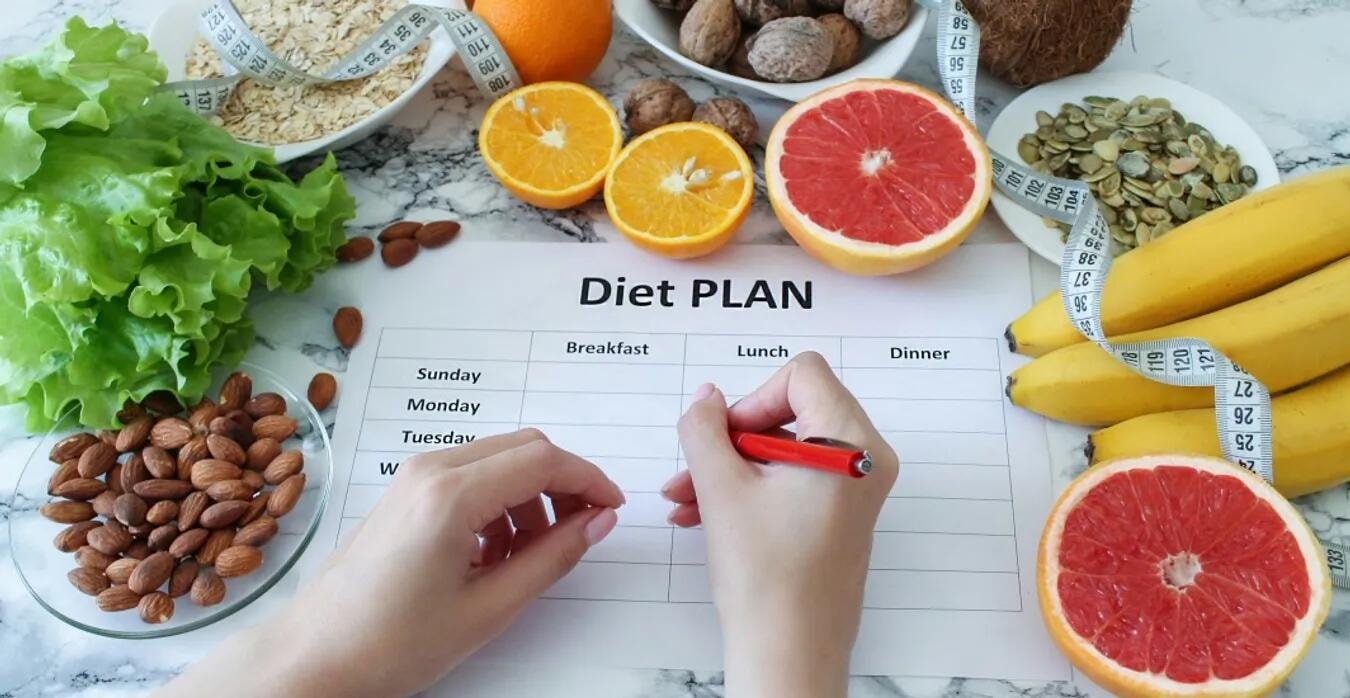
Most diet plan advice promotes a healthy diet using healthy food and tasty foods, yet still leads to weight gain during a weight loss journey. The gap lies in surface-level health benefits, crash diets, and short-term fixes that ignore how the body adapts over time.
What Usually Breaks the Plan
-
Convenience foods creep in: White bread and wheat bread look “light,” but they often push portions up without notice.
-
Meals lose real nutrition: Skipping sautéed spinach, vegetable stir fry, and fresh produce reduces steady energy and makes cravings louder.
-
Protein becomes a shortcut: A protein smoothie can help, but it cannot replace balanced meals built around whole foods.
-
Strict rules backfire: Cutting all natural sugar can turn normal eating into an all-or-nothing mindset.
-
“Healthy” snacks turn heavy: Roasted seeds and whole wheat bread are useful, but they still need structure and portions.
Why the Body Adapts
Crash diets often drop calories too fast, so hunger rises and energy dips. Once that cycle starts, people compensate with quick fixes, and the plan loses its rhythm.
Example: Someone replaces breakfast with warm lemon water, skips lunch, then ends up eating brown rice late at night with a larger portion than planned. A better pattern is a turmeric breakfast with real food, a moong dal snack mid-morning, and a simple roasted chana dinner that keeps hunger stable.
A plan works when daily meals feel normal, repeatable, and satisfying. The next section separates fat loss from weight loss, so your diet choices match the result you actually want.
Fat Loss vs Weight Loss: Why the Difference Changes Your Diet Plan
Fat loss and weight loss are often treated as the same goal, but they lead to very different results in a weight loss plan. A plan for weight loss focused only on scale changes can disrupt fat burning while reducing muscle.
Understanding this distinction reshapes how progress is measured and how the diet plan is designed.
| Aspect | Fat Loss | Weight Loss |
|---|---|---|
| What You’re Reducing | Body fat stores | Total body weight, fat plus water and muscle |
| What the Scale Shows | May drop slowly or stay steady early | Often drops fast at first |
| What Usually Changes First | Waist, clothes fit, body composition | Water weight and glycogen, then mixed loss |
| Risk If Done Wrong | Muscle loss if protein and training are poor | Higher muscle loss risk, plus rebound weight |
| What Supports Better Results | Protein focus, strength work, steady calorie deficit | Aggressive cutting, quick fixes, inconsistent habits |
| Best Tracking Signals | Waist measurement, strength, photos, energy | Scale trends only, often misleading week to week |
| What “Success” Feels Like | Leaner body, better shape, stable energy | Lighter scale, sometimes weaker and hungrier |
When you aim for fat loss, your diet plan starts prioritizing muscle protection, steady energy, and repeatable eating habits.
That shifts the focus from chasing a lower number to building a body that stays stable, which is exactly what the next section addresses through the real risks of poor diet planning.
Risks of Poor Diet Planning
Poor diet planning often relies on refined carbs, fried foods, and sugary drinks, leading to extra calories and poor portion control. Over time, this pattern disrupts fat loss, increases weight gain, and weakens the foundation of a sustainable weight loss journey.
1. Unstable Blood Sugar Levels
Frequent intake of refined carbs, refined carbohydrates, sugary drinks, and soft drinks disrupts blood sugar control. The body swings between quick energy and sudden drops, which increases snack urges and makes meals feel harder to manage.
Example: A breakfast of white bread with tea can spike appetite fast, then trigger overeating by lunch.
2. Increased Hunger and Cravings
Processed foods, fried snacks, and packaged snacks deliver extra calories without satiety. Hunger returns quickly because the meal lacks fiber and volume, so cravings stay active even after eating. This is how people feel “always hungry” even when their calorie intake is high.
3. Loss of Muscle Instead of Fat
Low fat diets that lack lean proteins increase the risk of muscle loss. When protein drops, the body uses muscle for energy more easily, reducing strength and slowing visible progress. Example: Cutting meals too aggressively while skipping protein can lead to a lower scale weight but softer body shape.
4. Slowed Metabolism Over Time
Crash diets reduce energy availability too quickly. The body responds by lowering energy output and increasing food focus, which makes consistency harder. Even when people return to normal eating, the rebound is faster because the appetite system has been pushed too hard.
5. Nutrient Deficiencies From Imbalanced Meals
Meals lacking essential vitamins and essential nutrients fail to qualify as nutrient rich foods. That gap shows up as fatigue, poor recovery, and low mood, all of which reduce consistency. A diet that looks clean on paper still fails if it cannot support daily function.
6. Weight Regain After Short-Term Loss
When sustainable weight loss is not prioritized, temporary success often leads back to weight gain. Restriction reduces adherence, and release brings back old eating patterns. The cycle repeats because the plan never builds habits that fit real life.
7. Worsening of Existing Health Conditions
Poor planning aggravates existing health conditions by stressing hormonal balance, digestion, and energy regulation. The body becomes more reactive to meal timing and food choices, so small mistakes feel bigger. This is why the same diet can work for one person and backfire for another.
Most diet failure is not about willpower, it is about predictable patterns that keep repeating. The next section breaks those patterns into practical focus areas, so your diet plan stays effective without becoming fragile.
Key Things a Diet Plan for Weight Loss Should Actually Focus On
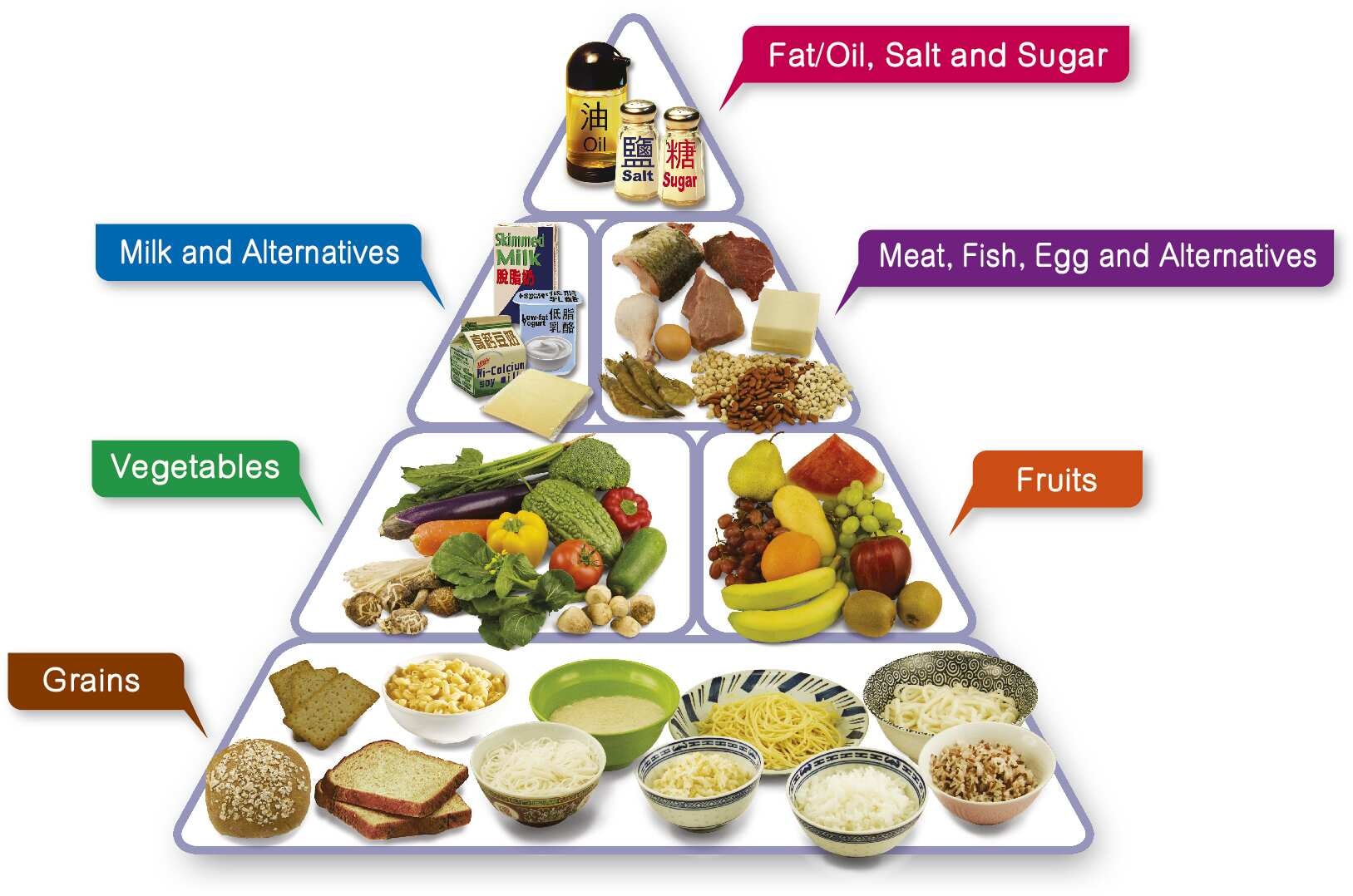
An effective weight loss plan balances calorie deficit with balanced nutrition, protein rich foods, healthy habits, and mindful eating. Focusing on nutrient rich foods, essential vitamins, and essential nutrients supports fat loss without sacrificing energy or long-term consistency.
1. Calorie Deficit Without Extreme Restriction
A controlled calorie intake and realistic understanding of how many calories the body needs creates a steady calorie deficit. The goal is not to eat tiny meals, it is to eat normal meals that still stay within a workable range.
How To Apply It Right
-
Build plates around protein and vegetables first
-
Reduce oils, sugars, and snacks before cutting meal size
-
Keep dinner light, not skipped, so late cravings stay low
Example: A smaller lunch portion with more dal and sabzi often works better than removing lunch entirely.
2. Stable Blood Sugar Throughout the Day
Maintaining stable blood sugar prevents energy crashes and overeating. This happens when meals include fiber, protein, and slower-digesting carbs instead of quick hits.
How To Apply It Right
-
Pair carbs with protein or fat, never alone
-
Keep gaps between meals reasonable, not extreme
-
Use fruit or nuts as planned snacks, not emergency food
Example: Eating a banana with curd supports steadier appetite than eating fruit alone.
3. Balanced Nutrition Across All Meals
Balanced meals built on a balanced diet ensure balanced nutrition across the day. This keeps energy predictable and reduces the urge to compensate later.
What Balanced Actually Looks Like
-
One protein source
-
One fiber-rich vegetable portion
-
One measured carb portion
-
A small fat portion for taste and satiety
This structure makes meals feel complete, not restrictive.
4. Protein Intake That Supports Fat Loss
Protein rich foods and lean proteins like chicken breast help preserve muscle while supporting fat loss. Adequate protein also reduces cravings because the meal feels more satisfying.
How To Apply It Right
-
Add protein to breakfast, not just lunch
-
Keep portions steady, even on non-workout days
-
Use simple methods like grilling, boiling, or light sautéing
Example: A chicken breast salad bowl works because it is high protein and high volume without being heavy.
5. Sustainable Healthy Eating Habits
Healthy habits and mindful eating reduce impulsive food choices. Sustainability comes from routines that fit real schedules, not from perfect meals every day.
Habits That Build Consistency
-
Eat at similar times most days
-
Plan one snack instead of reacting to hunger
-
Keep one default breakfast that is easy to repeat
Mindful eating is not slow eating for the sake of it, it is eating without distraction and stopping when satisfied.
6. Compatibility With Eating Indian Food Daily
A diet plan that respects eating Indian food allows cultural consistency. Indian food can support weight goals when portions and preparation are aligned.
How To Keep Indian Meals Weight Friendly
-
Keep rice and roti portions measured, not eliminated
-
Use vegetables and dal to increase plate volume
-
Control oils, sugar, and fried add-ons first
Example: A standard thali becomes weight-friendly when sabzi and protein take up more space than rice.
7. Flexibility for Different Health Conditions
Diet plans must adjust for health conditions without creating restriction. Flexibility protects adherence while supporting individual needs, especially around digestion, hormones, and energy dips.
What Flexibility Means
-
Modifying portions and timing based on symptoms
-
Choosing gentler foods during flare-ups
-
Avoiding extreme rules that trigger rebound hunger
This is where personalization becomes strategy, not guesswork.
8. Consistency Over Short-Term Diet Results
Consistency supports sustainable weight loss better than aggressive changes. Repeated, manageable actions compound into long-term results because the body responds to patterns, not occasional perfect days.
What Consistency Looks Like
-
Hitting the same meal structure most days
-
Allowing planned flexibility instead of “cheat” cycles
-
Tracking trends, not daily scale swings
When routines hold, progress stops feeling fragile.
Once these focus areas are clear, the next step is turning them into a practical diet chart that fits real mornings, real meals, and real schedules.
A Practical Diet Chart You Can Follow for Sustainable Weight Loss
A diet chart brings structure to an Indian diet plan by showing how an Indian weight loss diet works in daily life.
Using brown rice, whole grains, whole wheat, fresh vegetables, fresh fruits, and portion control creates balance while limiting processed foods, fried foods, fruit juices, and sugary add-ons.
| Meal | Vegetarian (Indian) | Approx Calories | Non-Vegetarian (Indian) | Approx Calories | Vegan (Indian) | Approx Calories |
|---|---|---|---|---|---|---|
| Early Morning | Warm lemon water, 1 glass | 0–5 | Warm lemon water, 1 glass | 0–5 | Warm lemon water, 1 glass | 0–5 |
| Breakfast | Turmeric oats porridge + sautéed spinach Oats 40 g dry + spinach 1 cup |
280–330 | Protein smoothie (300 ml) + whole wheat bread, 1 slice | 320–420 | Turmeric smoothie bowl, 350 ml | 300–380 |
| Mid-Morning | Fresh fruits, 1 medium fruit | 80–120 | Fresh fruits, 1 medium fruit If your weight loss has stalled, you may have hit a plateau. |
80–120 | Fresh fruits, 1 medium fruit | 80–120 |
| Lunch | Brown rice ¾ cup + dal ¾ cup + sabzi 1 cup + salad 1 cup | 480–560 | Brown rice ¾ cup + chicken breast 120 g + sabzi 1 cup + salad | 520–650 | Brown rice ¾ cup + rajma/chana ¾ cup + sabzi 1 cup + salad | 520–620 |
| Evening Snack | Moong dal snack, ¾ cup + roasted seeds, 1 tbsp | 220–280 | Roasted chana, ½ cup + herbal tea, 1 cup | 180–240 | Moong dal snack, ¾ cup + roasted seeds, 1 tbsp See this Type 1 diabetes diet plan for managing blood sugar. |
220–280 |
| Dinner | Roasted chana dinner bowl, ¾ cup + veg stir fry, 1.5 cups | 420–520 | Whole wheat roti 2 + chicken breast 120 g + veg stir fry | 520–650 | Whole wheat roti 2 + dal ¾ cup + veg stir fry, 1.5 cups | 520–650 |
| Total Daily Calories | Vegetarian: 1,480–1,815 | Non-Vegetarian: 1,620–2,085 | Vegan: 1,640–2,060 | |||
| Portion Anchors | • Rice: keep at ¾ cup cooked • Seeds: limit to 1 tbsp • Chicken breast: ~120 g cooked • Roti: max 2 small • Legumes: ¾ cup cooked for protein |
|||||
| Limiters | • Avoid fried foods • Skip fruit juices and sugary drinks • Watch added sugar and packaged snacks |
|||||
This chart works best when you keep the meal structure steady and adjust only the portions based on hunger and activity. Next, the personalization step is deciding which meals to tighten or loosen based on your health conditions and daily schedule.
Steps to Personalize a Diet Plan for Weight Loss Across Different Health Conditions

Personalizing an indian diet means adjusting portion control, food choices, and cooking methods based on health conditions. Whether following a vegetarian indian diet or eating indian food daily, flexibility helps align fat loss goals with digestion, hormones, and recovery needs.
1. Blood Sugar Sensitivity or Diabetes
Blood sugar sensitivity makes energy levels unstable and increases hunger if meals are poorly timed. Using complex carbohydrates and consistent meal spacing helps reduce glucose spikes while supporting steady energy and better appetite control throughout the day.
What To Prioritize
-
Pair carbs with protein and fiber at every meal
-
Keep meal gaps consistent, avoid long fasts
-
Use planned snacks to prevent reactive eating
Example: Brown rice with dal and salad often works better than a carb-only meal.
2. PCOS or Hormonal Imbalance
Hormonal imbalance affects appetite, fat storage, and cravings, making weight loss unpredictable. Diet plans built with healthy fats and balanced meals help stabilize hormones, improve satiety, and reduce overeating linked to insulin resistance.
What To Prioritize
-
Protein at breakfast and lunch, not only dinner
-
Steady meals that prevent craving spikes
-
Simple fats in measured portions, not extra oil
Example: A veggie bowl with paneer and a small fat portion feels more stable than a carb-heavy plate.
3. Thyroid Disorders
Thyroid disorders slow metabolism and alter energy use, making aggressive dieting counterproductive. A diet plan that prioritizes essential nutrients supports metabolic balance, helping the body respond better without triggering fatigue or nutrient depletion.
What To Prioritize
-
Regular meals that support energy stability
-
Nutrient variety across the day, not repeated meals only
-
Adequate protein so muscle is protected
4. Digestive or Gut Health Issues
Digestive discomfort interferes with nutrient absorption and meal consistency. Choosing foods that aid digestion helps reduce bloating, improve gut function, and ensure the body can properly use nutrients needed for weight management.
What To Prioritize
For actionable steps, follow this doctor-recommended 7 day diet to lower triglycerides and improve heart health.
-
Simple cooking methods, less oil, fewer heavy sauces
-
Softer fibers when symptoms flare, raw salads when they do not
-
Smaller portions more consistently instead of large meals
Example: A light khichdi with vegetables is often easier than a spicy, fried meal.
5. High Cholesterol or Heart Conditions
Heart-related conditions require careful fat selection and cooking methods. Diet plans that use olive oil and low fat preparations help manage cholesterol levels while still supporting weight control and overall cardiovascular health.
What To Prioritize
-
Grilled, boiled, or sautéed foods instead of fried items
-
Measured oil use, not oil-free extremes
-
More vegetables and legumes for fiber support
6. Joint Pain or Limited Mobility
Joint pain limits physical activity, reducing daily calorie expenditure. In such cases, portion control becomes essential to manage weight without relying heavily on exercise or triggering unnecessary strain on the body.
What To Prioritize
-
Smaller carb portions, steady protein portions
-
High-volume vegetables to keep meals satisfying
-
Snack planning to reduce extra calories
Example: Two rotis with more sabzi often works better than extra rice in the same meal.
7. High Stress or Sleep-Related Issues
Chronic stress and poor sleep disrupt appetite hormones and recovery. Gentle additions like green tea and herbal teas support daily routines without overstimulation, helping regulate energy, cravings, and overall consistency.
What To Prioritize
-
Earlier dinners that reduce late-night hunger
-
Protein and fiber at lunch to prevent evening cravings
-
Calmer evening routines that protect sleep quality
Once you know which variable matters most for your body, the next move is catching the everyday mistakes that quietly stall progress even when your plan looks right.
Common Diet Plan Mistakes That Stall Weight Loss Progress
Portion control mistakes, fried foods, sugary drinks, and unnoticed extra calories quietly slow progress. These habits often feel small but accumulate daily, creating friction between effort and results.
This section identifies patterns that disrupt momentum so adjustments feel practical, not restrictive.
Mistakes That Quietly Add Calories
-
Liquid calories slipping in: Sugary drinks and soft drinks feel like small add-ons, but they can erase a weekly deficit fast.
-
Snacking without a plan: Packaged snacks often turn into “just one more,” because they are designed to be easy to keep eating.
-
Hidden oils and extras: Extra calories often come from repeated teaspoons of oil, chutneys, and second helpings, not from the main meal.
Example: A “healthy” lunch plate stays on track, then a cola and a packet snack in the evening quietly double the day’s surplus.
Mistakes That Break Hunger Control
-
Too little protein early: When breakfast is light and low protein, cravings rise by late morning.
-
Overdoing fried snacks: Fried snacks spike appetite and make dinner portions harder to control.
-
Long gaps between meals: Hunger builds, then portion control becomes guesswork.
Mistakes That Make Progress Feel Random
-
Weekend eating without structure: One unplanned weekend can undo several steady weekdays.
-
Tracking only the scale: Daily weight shifts from water and salt can hide real fat loss progress.
-
Changing the plan too often: Switching meals every few days prevents a stable routine from forming.
Practical Fixes That Keep It Simple
-
Keep one default breakfast you can repeat on busy days
-
Pre-decide one snack, so you do not end up reacting to hunger
-
Keep fried foods as an occasional choice, not a daily habit
-
Replace sugary drinks with water, unsweetened tea, or other low-calorie options
Once these mistakes are easy to spot, it becomes much easier to judge whether your diet plan is working, and when it needs a small adjustment instead of a full reset.
How to Know If Your Diet Plan Is Working or Needs Adjustment?
A weight loss journey improves when feedback is measured correctly. Practical tips like tracking energy, appetite, recovery, and consistency offer clearer signals than the scale alone. Recognizing when a plan works helps refine choices without restarting from scratch.
Signs Your Plan Is Working
-
Energy stays steady through the day, with fewer sudden hunger spikes
-
Appetite feels predictable, you can wait for meals without feeling desperate
-
Sleep and recovery improve, especially after long days or workouts
-
Clothes fit better, even if the scale moves slowly
-
Cravings reduce, because meals feel complete and satisfying
Example: Your weight stays similar for a week, but your waist feels looser and your evening snacking drops. That usually signals fat loss progress, not failure.
Signs You Need a Small Adjustment
-
Hunger is constant, even after full meals
-
Energy crashes hit daily, especially mid-morning or late evening
-
Progress stalls for two to three weeks, with no change in measurements
-
Weekend eating resets the week, and routine breaks often
-
You feel weaker, which can mean protein or total food is too low
How to Adjust Without Restarting
-
Reduce one daily add-on first, oil, sweets, snacks, or sugary drinks
-
Add protein or vegetables to the meal where hunger starts
-
Tighten portion control at one meal, usually dinner
-
Keep meal timing more consistent for a full week before judging results
What To Track Weekly
-
Waist and hip measurement
-
Average weight trend, not daily numbers
-
Hunger patterns and snack frequency
-
Energy and sleep quality
When you track the right signals, your diet plan becomes easier to trust. The goal is simple, keep what improves energy, appetite, and recovery, and adjust only the small parts that consistently throw those off. That is how progress stays steady, without constant resets or second guessing.
FAQs
1. Is Chicken Breast Necessary in a Diet Plan for Weight Loss or Are There Alternatives?
No. Chicken breast is simply a convenient lean protein. You can replace it with eggs, fish, curd, paneer in measured portions, tofu, soy chunks, dal, chana, rajma, or Greek yogurt, based on your preference and digestion.
2. Do Chia Seeds Help With Weight Loss or Are They Just a Nutrition Add-On?
Chia seeds are a helpful add-on, not a fat-loss shortcut. They add fiber and improve fullness, which can reduce snacking, but weight loss still depends on overall calorie intake and meal balance.
3. Can a Healthy Weight Loss Diet Plan Work Without Exercising Daily?
Yes. A calorie-controlled diet can drive weight loss even without daily workouts. Exercise helps preserve muscle, supports energy and mood, and improves long-term consistency, but it is not required every day.
4. How Often Should a Diet Plan Be Changed to Avoid Plateaus?
Avoid frequent changes. Follow the same structure for at least two to three weeks, then adjust one variable at a time, such as portions, snacks, or cooking oil, based on what is actually stalling progress.
5. Is It Safe to Follow the Same Diet Plan for Weight Loss Long Term?
Yes, if the plan is balanced and flexible. Keep the meal structure consistent, rotate food choices, adjust portions as your body changes, and ensure you get enough protein, fiber, and key nutrients.
Conclusion
You do not need a new diet every Monday, you need a plan you can repeat on normal days. Pick one breakfast, lock in two reliable lunches, and set a simple dinner rule you can follow even when you are tired.
Start with one week of consistency, adjust portions based on how you feel, and keep the foods you genuinely enjoy. Diet Plan Healthy Weight Loss Without Cutting Out Foods You Love works when your next meal is planned, not negotiated.




Leave a comment
Translation missing: en.blogs.comments.discription