

Blood pressure does not rise overnight. It builds quietly through daily meals, habits, and choices that often feel harmless in the moment. Most people notice it only after numbers start creeping up during routine checks.
A Doctor-Approved Diet Plan of Hypertension focuses on correcting those everyday patterns before they turn into long-term damage.
This approach is not about strict rules or short-term fixes, but about eating in a way that supports stable readings and long-term heart health through consistency and clarity.
What Is Hypertension And What Drives Blood Pressure Higher?
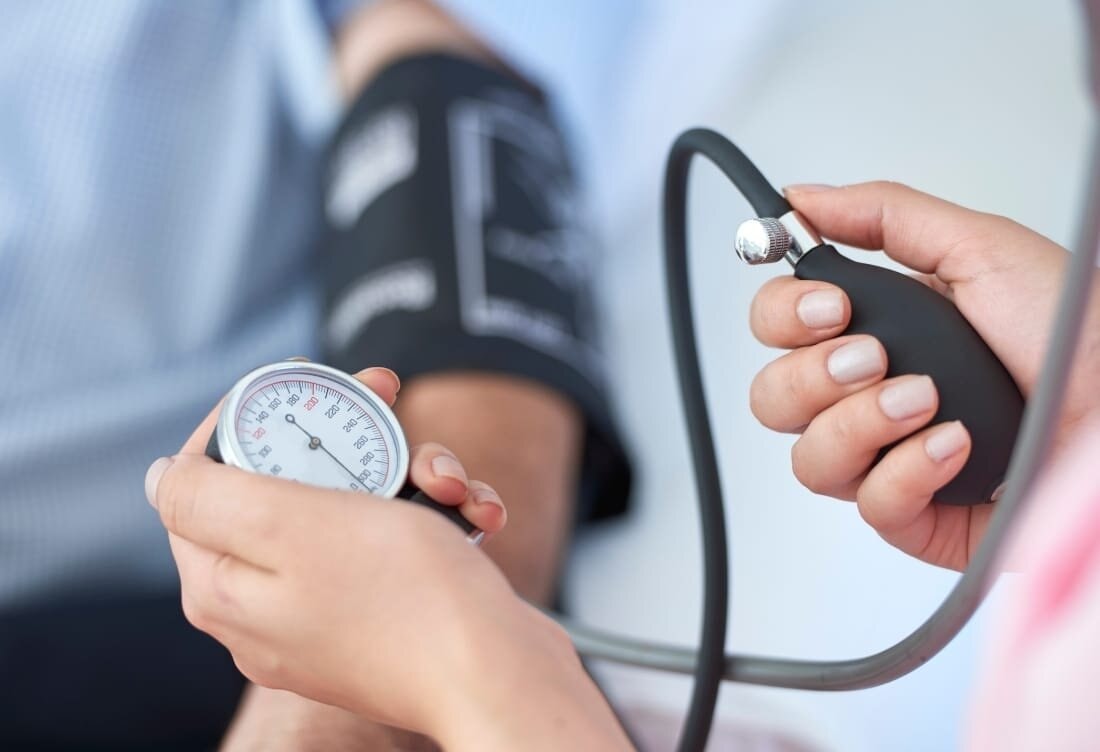
Hypertension refers to persistently high blood pressure, where blood pressure levels remain elevated due to rising systolic blood pressure or diastolic blood pressure.
Multiple risk factors such as age, stress, diet, and lifestyle contribute to raising blood pressure and can steadily increase blood pressure over time. Understanding these major risk factors helps explain why pressure builds silently before symptoms appear.
How Blood Pressure Levels Are Classified
-
Normal: below 120 over 80 mmHg
-
Elevated: 120–129 systolic with diastolic below 80
-
Hypertension Stage 1: 130–139 systolic or 80–89 diastolic
-
Hypertension Stage 2: 140 over 90 mmHg or higher
What Those Blood Pressure Numbers Mean
-
Systolic blood pressure is the top number, it reflects pressure when the heart pushes blood out.
-
Diastolic blood pressure is the bottom number, it reflects pressure when the heart relaxes between beats.
-
Blood pressure levels matter most when they stay high across many readings, not just once.
Major Risk Factors That Push Pressure Up
-
Age-related vessel stiffness that makes pressure rise more easily
-
Chronic stress that keeps the body in a high-alert state
-
High-salt, low-fiber eating patterns that encourage fluid retention
-
Low activity levels that reduce vessel flexibility
-
Excess body fat that increases resistance inside blood vessels
-
Alcohol and tobacco exposure that disrupt normal vascular function
Example
A person can feel “fine” and still have rising blood pressure for years, until a routine check shows consistently high readings.
The next step is understanding what this pressure does to the heart and why heart disease risk rises when hypertension stays uncontrolled.
Impact Of Uncontrolled Hypertension On Heart Disease Risk
When hypertension remains unmanaged, strain on circulation disrupts blood flow and damages blood vessels, increasing heart disease risk. Persistent pressure prevents vessels from relaxing properly, making it harder to lower high blood pressure or reduce high blood pressure through diet alone.
How High Blood Pressure Affects the Heart and Arteries
-
Blood vessels thicken and narrow, reducing normal blood flow
-
The heart muscle works harder to push blood forward
-
Arteries lose the ability to relax during rest
-
Small vessel damage accumulates before symptoms appear
Why Diet Alone Sometimes Falls Short
-
Structural vessel changes slow improvement
-
Long-standing pressure alters heart workload patterns
-
Even with less salt, reversal takes time and consistency
Example
A person may adopt healthier meals and still see slow progress because years of elevated pressure have already reduced vessel flexibility.
Understanding this heart and vessel response explains why another internal factor, blood sugar balance, often influences how well blood pressure improves.
Role Of Blood Sugar Imbalance In Hypertension Management
Blood sugar imbalance directly influences hypertension management by worsening inflammation and weakening metabolic control. Excess added sugar, sugar sweetened beverages, and an unhealthy diet raise insulin stress, which also affects kidney disease risk.
These changes make pressure harder to stabilize, even with dietary care. Recognizing how blood sugar interacts with hypertension clarifies why food quality matters beyond salt alone.
How High Blood Sugar Patterns Push Blood Pressure Up
-
Insulin stress increases inflammation inside blood vessels
-
Water and sodium retention rises, increasing pressure load
-
Arteries become less flexible during stress and rest cycles
-
Kidney filtering workload increases, raising kidney disease risk
Where This Shows Up In Daily Eating
-
Sweetened tea, packaged juices, and sugar sweetened beverages
-
Desserts that follow large carb-heavy meals
-
Frequent snacking that keeps insulin high
-
“Healthy” foods that still carry high hidden sugar
Example
Two people may cut salt equally, but the one drinking sugary beverages daily often sees slower blood pressure improvement because insulin stress stays elevated.
Once blood sugar balance is handled, diet plans like DASH and Mediterranean become easier to apply with consistent results.
Diet Plans Recommended For Managing Hypertension
Dietary approaches for hypertension focus on structured eating patterns designed to stop hypertension progression. A well-designed hypertension diet uses proven dietary approaches to stop rising pressure while addressing long-term sustainability.
These approaches to stop hypertension are not restrictive plans but adaptable frameworks that support daily consistency. Each plan works differently based on food balance, nutrient focus, and cultural fit.
1. DASH Diet
The DASH diet focuses on lowering blood pressure through balanced meals, low sodium intake, low fat dairy products, and whole grain cereals. Supported by health and human services and the blood institute, this dash eating plan emphasizes foods that relax blood vessels and improve blood flow.
| Meal | Food Items | Portion Size | Approx. Calories |
|---|---|---|---|
| Breakfast | Oatmeal + low fat milk + fruit | Oats 40 g, milk 1 cup | For those following a 400 calorie-controlled diet or seeking effective weight loss solutions, consider BalanceBite — Personalized Diets & Groceries for Weight Loss & Wellness. |
| Mid-Morning Snack | Fruit or nuts | 1 fruit or 10–12 nuts | |
| Lunch | Brown rice + vegetables + curd | Rice 1 cup, veg 1 cup | 500 |
| For healthy ideas on your evening snack, see how you can lose 3 kg in a month with simple habits. | |||
| Evening Snack | Roasted chana or buttermilk can be healthy options as part of a diet for obesity. | 30 g or 1 cup | 120 |
| Dinner | Roti + dal + vegetables | Roti 2, dal 1 cup | 450 |
2. Mediterranean Diet
The Mediterranean diet supports heart healthy eating by prioritizing healthy fats, lean meats, whole grains, and vegetables. This eating style helps manage blood pressure naturally while reducing heart disease risk through consistent dietary approaches rather than strict food elimination.
| Meal | Food Items | Portion Size | Approx. Calories |
|---|---|---|---|
| Breakfast | Whole grain toast + eggs + olive oil | Toast 2 slices, eggs 2, oil 1 tsp | 420 |
| Mid-Morning Snack | Fruit + nuts | Fruit 1 medium, nuts 10–12 | 150 |
| Lunch | Grilled fish or chicken + grains + salad | Protein 120 g, grains 1 cup | 550 |
| Evening Snack | Yogurt or hummus | Yogurt 1 cup or hummus 2 tbsp | 150 |
| Dinner | Cooked vegetables + whole wheat bread | Veg 1.5 cups, bread 2 slices | 450 |
3. Plant-Based Diet
A plant-based diet relies on whole grains, brown rice, legumes, fruits, and vegetables to lower blood pressure naturally. By limiting saturated fat and processed foods, this approach supports healthy blood pressure levels and improves heart health without relying on animal-heavy meals.
| Meal | Food Items | Portion Size | Approx. Calories |
|---|---|---|---|
| Breakfast | Vegetable oats or poha + fruit (see 7 day Indian diet plan for diabetic patients for more dietary strategies) |
1.5 cups + small fruit | 400 |
| Mid-Morning Snack | Coconut water or fruit | 1 glass or 1 fruit | 100 |
| Lunch | Brown rice + beans + vegetables | Rice 1 cup, beans 1 cup | 520 |
| Evening Snack | Roasted peanuts or sprouts | 25 g or 1 cup | 150 |
| Dinner | Millet roti + lentil soup + vegetables | Roti 2, soup 1 cup | 450 |
4. Low-Sodium Diet
A low-sodium diet focuses on reducing salt intake, avoiding salty foods, and choosing low sodium alternatives. This approach helps prevent raising blood pressure and supports better blood vessel function, especially for high blood pressure patients sensitive to sodium intake.
| Meal | Food Items | Portion Size | Approx. Calories |
|---|---|---|---|
| Breakfast | Vegetable omelette or paneer bhurji + toast | Eggs 2 or paneer 100 g | 400 |
| Mid-Morning Snack | Unsalted fruit bowl | 1 medium bowl | 100 |
| Lunch | Rice or roti + no-salt veg curry + curd | Moderate portions | 500 |
| Evening Snack ideas from a doctor-recommended 7 day diet to lower triglycerides | |||
| Evening Snack | Unsalted seeds or buttermilk | 1 tbsp seeds or 1 cup | 120 |
| Dinner | Grilled vegetables + lentils or lean protein | Veg 1.5 cups, dal 1 cup | 450 |
5. Heart-Healthy Indian Diet
A heart healthy Indian diet uses balanced eating plans with whole grains, low fat dairy, vegetables, and controlled portions. This heart healthy eating style supports blood pressure control while fitting traditional meals and everyday cooking practices
| Meal | Food Items | Portion Size | Approx. Calories |
|---|---|---|---|
| Breakfast | Idli + sambar | Idli 2, sambar 1 cup | 350 |
| Mid-Morning Snack | Fruit or soaked almonds | 1 fruit or 6 almonds | 100 |
| Lunch | Chapati + dal + sabzi + curd | Roti 2, dal 1 cup | 550 |
| Evening Snack | Roasted makhana or chana | 30 g | 150 |
| Dinner | Rice + mixed vegetables + paneer or tofu | Rice ¾ cup, protein 100 g | 500 |
These tables show how portion size, calorie balance, and food choices differ across diet plans, which naturally leads into understanding which foods can interfere with blood pressure control.
Foods To Strictly Avoid During Hypertension
Certain foods raise pressure by increasing saturated fat, trans fats, and sodium exposure. Fatty meats, processed meats, red meat, processed foods, frozen meals, full fat dairy products, sugar sweetened beverages, and poorly cooked meat contribute to vascular stress.
Regular intake of these items undermines dietary control. Knowing which foods interfere most with regulation helps prevent silent dietary setbacks.
Foods That Commonly Push Blood Pressure Up
-
Fatty meats and red meat, especially when cooked with heavy oil or salt
-
Processed meats, including sausages, salami, and packaged cold cuts
-
Processed foods like chips, instant noodles, and salty bakery items
-
Frozen meals that carry high sodium and hidden fats
-
Full fat dairy products, especially when eaten frequently
-
Sugar sweetened beverages, including packaged juices and soft drinks
-
Poorly cooked meat, such as overly charred or heavily fried meat
Why These Foods Create Problems
-
High sodium increases fluid volume in circulation
-
Saturated fat and trans fats reduce vessel flexibility over time
-
Added sugars spike insulin stress, which can worsen pressure control
Example
A “quick dinner” of frozen food with a soft drink may look small, but the sodium and sugar load can strain blood pressure regulation for hours.
Once these triggers are clear, building a sustainable eating plan becomes a practical exercise in swapping patterns, not chasing perfection.
Steps to Build Your Own Sustainable Eating Plan For Hypertension
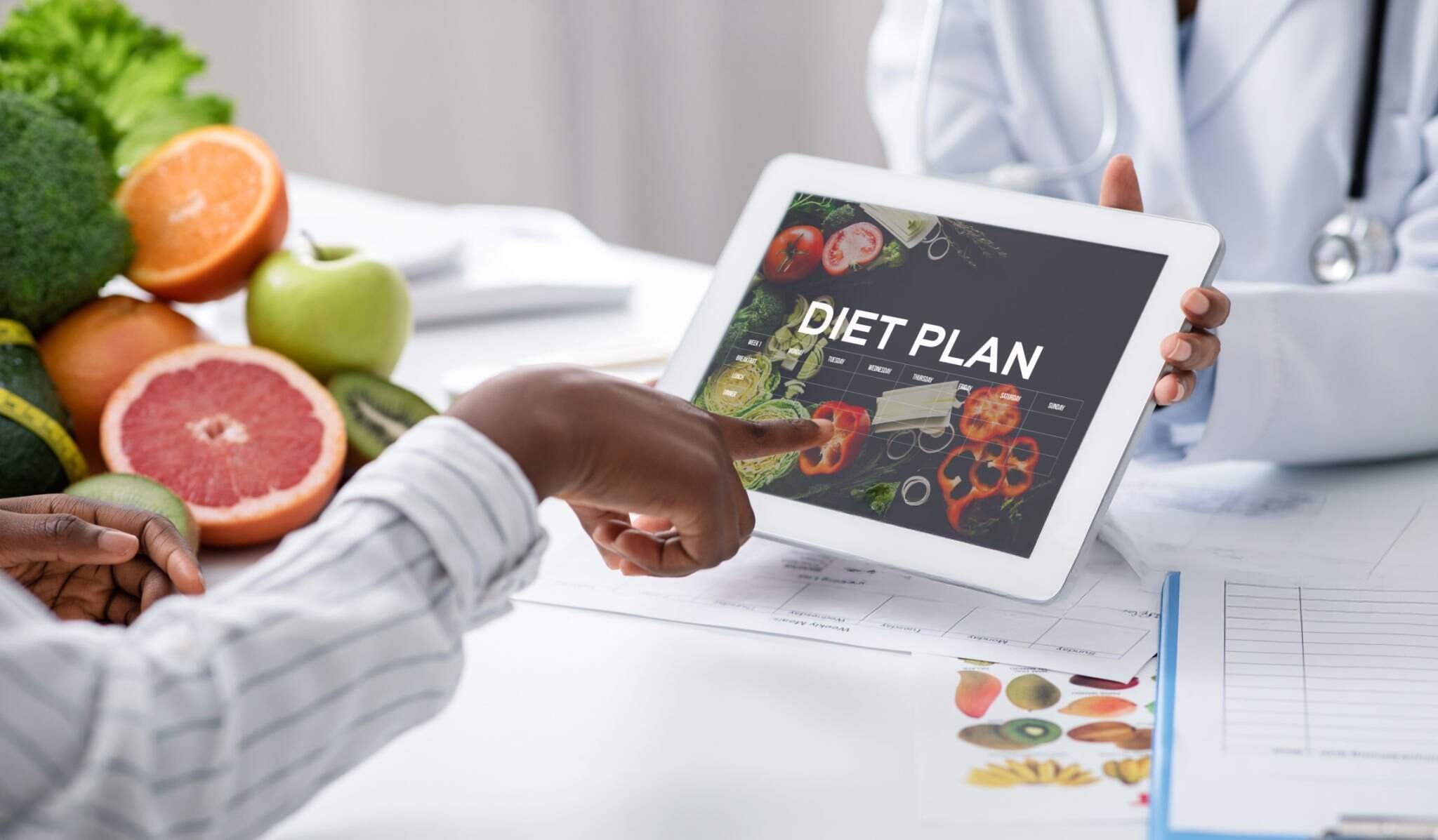
A sustainable eating plan supports daily structure while helping manage blood pressure naturally. Balanced eating plans emphasize how to choose foods, read food labels, and monitor salt intake and sodium intake without extreme restriction.
These steps encourage gradual change to reduce blood pressure consistently.
1. Fix Three Main Meals And One Snack Time Daily
Regular meal timing supports stable blood pressure levels and blood sugar balance. A predictable rhythm reduces overeating and helps manage blood pressure across normal workdays and weekends.
Practical Setup
-
Breakfast within 90 minutes of waking
-
Lunch at a fixed 2-hour window
-
Dinner at a fixed 2-hour window
-
One planned snack between lunch and dinner
Example
If dinner is late, the planned snack prevents a heavy, salty dinner decision.
2. Build Every Meal Using Half Vegetables, One-Quarter Protein, One-Quarter Whole Grains
This plate method supports a balanced eating plan using whole grains, vegetables, and lean meats. It helps lower high blood pressure while supporting healthy weight through portion control.
Easy Portion Cues
-
Vegetables, 2 fists
-
Protein, 1 palm
-
Whole grains, 1 fist
3. Replace Added Salt With Herbs, Spices, Lemon, Or Vinegar
Reducing salt intake lowers sodium intake without making food feel bland. This shift supports efforts to reduce blood pressure and can help relax blood vessels over time.
Simple Swaps That Work
-
Lemon, amchur, vinegar for sharpness
-
Roasted spices for depth
-
Garlic, ginger, herbs for aroma
4. Limit Packaged And Ready-To-Eat Foods To Once A Week
Packaged foods often contain added sugar, saturated fat, and hidden sodium. Cutting back on processed foods supports heart health and helps reduce high blood pressure risk without needing extreme restriction.
Quick Check Before You Buy
-
If it is salty and crunchy, treat it as occasional
-
If it is sweet and bottled, treat it as occasional
-
If it is instant, assume high sodium
5. Choose Home-Cooked Meals At Least Five Days A Week
Home-cooked meals give you control over salt intake and food group balance. This supports a stable eating plan and makes it easier to manage blood pressure through repeatable meals.
A Simple Home-Cooking Template
-
One grain, one protein, two vegetables
-
Curd or fruit as a side
6. Use Low-Oil Cooking Methods Like Steaming, Grilling, Or Sautéing
Low-oil cooking reduces saturated fat exposure and supports heart healthy diet patterns. It protects blood vessels from repeated heavy fat loads and makes meals lighter without shrinking portions.
Good Defaults
-
Steam for vegetables
-
Grill for protein
-
Sauté with measured oil, not free-pour
7. Keep Daily Salt Intake Below One Teaspoon Including Hidden Sources
Daily salt intake adds up through chutneys, pickles, sauces, and packaged foods. Staying under one teaspoon supports stable sodium intake and helps avoid increasing blood pressure.
Where Hidden Salt Often Comes From
-
Pickles, papad, chutneys
-
Packaged snacks
-
Restaurant gravies and soups
8. Include One Potassium-Rich Food In Every Major Meal
Potassium supports blood flow and helps counter sodium effects. This balance supports managing blood pressure naturally and keeps blood vessels functioning more smoothly.
Simple Options
-
Banana, coconut water, oranges
-
Spinach, beans, sweet potato
9. Read Nutrition Labels For Sodium Before Buying Any New Food
Food labels reveal sodium, added sugar, and fat content that is easy to miss. Learning to read food labels helps you choose foods that support long-term control.
What To Scan First
-
Sodium per serving
-
Added sugar
-
Saturated fat and trans fats
10. Review Blood Pressure Readings Weekly And Adjust Portions, Not Meals
Weekly tracking shows how blood pressure levels respond to your routine. Adjusting portions keeps the hypertension diet sustainable and avoids drastic changes that trigger rebound habits.
A Practical Review Method
-
Note average weekly readings
-
Reduce portion size of grains first
-
Increase vegetables next
Your eating plan becomes sustainable when it turns into repeatable habits, and the next step is understanding how a healthy diet supports long-term blood pressure control.
How A Healthy Diet Supports Long-Term Blood Pressure Control?
A healthy diet supports blood pressure by improving blood vessel function, maintaining healthy weight, and supporting weight management. Consistent eating patterns can help lose weight gradually while strengthening heart health and circulation.
When nutrition supports vascular balance, pressure stabilizes more reliably
1. Regulates Sodium And Fluid Balance — Learn more about how a weekly Indian-style meal plan can help promote long-term health and balanced nutrition.
A healthy diet supports sodium and fluid balance, reducing water retention that raises blood pressure. When fluid load decreases, systolic blood pressure and diastolic blood pressure tend to show fewer spikes across the week.
What This Looks Like In Real Life
-
Morning readings feel more consistent
-
Post-meal swelling reduces gradually
-
Salt-heavy meals trigger fewer noticeable jumps
2. Improves Blood Vessel Flexibility
Nutritious eating improves blood vessel elasticity, allowing vessels to relax more efficiently. Flexible vessels support smoother blood flow and reduce constant pressure strain on the cardiovascular system.
Food Patterns That Support Flexibility
-
Vegetables and fruits at most meals
-
Whole grains in controlled portions
-
Balanced fats instead of heavy saturated fat intake
3. Supports Healthy Body Weight
Maintaining a healthy weight through diet helps reduce blood pressure and supports weight management. Even modest weight loss can help high blood pressure patients improve control because resistance inside circulation drops.
Example
A gradual loss of 3 to 5 kg often improves weekly readings more than short diet cycles that rebound.
4. Helps Maintain Stable Blood Sugar Levels
Balanced meals reduce blood sugar spikes caused by added sugar and sugar sweetened beverages. Stable blood sugar supports pressure regulation and lowers kidney disease risk linked to long-term metabolic stress.
Simple Daily Moves
-
Pair carbs with protein or fibre
-
Keep sweet drinks occasional, not routine
-
Treat desserts as portions, not defaults
5. Reduces Strain On The Heart
Lower pressure reduces the workload on the heart and supports long-term heart health. When vessels stay responsive and fluid balance stays stable, the heart pumps more efficiently throughout the day.
6. Lowers Long-Term Heart Disease Risk
Consistent dietary approaches help stop hypertension progression and reduce heart disease risk by improving circulation, blood flow, and metabolic stability. This creates a calmer baseline where blood pressure becomes easier to manage over time.
These effects become stronger when daily habits support the same goal, because lifestyle determines how consistently the body stays in a lower-stress state.
Common Mistakes People Make While Managing Hypertension With Diet
Many people struggle by trying to limit foods too aggressively or relying on misleading labels like fat free or low fat milk. Excess alcohol intake, including too much alcohol despite limiting alcohol occasionally, disrupts progress.
These mistakes weaken consistency and confidence. Recognizing common errors allows dietary adjustments to focus on stability rather than unnecessary restriction.
Mistake 1: Treating Food Labels Like Medical Proof
Instead of relying solely on food labels, consider structured plans like this 7-day vegetarian meal plan (Indian edition) to achieve your health goals.
“Fat free” often signals a trade-off, not a benefit, especially if sugar or sodium rises. Low fat milk can fit well, but portions and overall meal balance still matter.
Mistake 2: Cutting Too Many Foods Too Fast
Aggressive restriction disrupts routine and appetite. When meals lose structure, consistency breaks, and pressure control becomes harder to sustain.
Mistake 3: Underestimating Alcohol’s Effect On Readings
Too much alcohol raises pressure and interferes with recovery during sleep. Limiting alcohol occasionally helps, but repeated excess slows progress.
Mistake 4: Ignoring Portion Size Because Foods Are “Healthy”
Healthy foods still add up when portions creep upward. Large servings of grains, oils, or snacks quietly increase intake and affect pressure trends.
Mistake 5: Focusing Only On Salt While Overlooking Sugar And Fat
Many plans cut salt but leave added sugar and unhealthy fats untouched. This imbalance keeps metabolic stress high and limits improvement.
Example
Someone may remove salt from cooking but continue large portions and sweet drinks, then feel confused when readings stay unchanged.
Seeing these patterns clearly prepares the ground for building daily habits beyond diet that reinforce steady blood pressure control.
Beyond Diet And Nutrition: Daily Habits That Help Manage Hypertension

Healthy eating works best when paired with daily habits that support heart healthy routines. Lifestyle practices such as movement, rest, hydration, and calming rituals like herbal tea reinforce pressure control. These habits strengthen dietary impact without adding complexity.
Daily actions shape long-term outcomes more than isolated food choices made occasionally.
1. Regulates Sodium And Fluid Balance
A healthy diet supports sodium and fluid balance, reducing water retention that raises blood pressure. When excess fluid is limited, systolic blood pressure and diastolic blood pressure stay within a more stable range over time.
2. Improves Blood Vessel Flexibility
Nutritious eating improves blood vessel elasticity, allowing vessels to relax more efficiently between heartbeats. Flexible vessels support smoother blood flow and reduce constant pressure strain on circulation.
3. Supports Healthy Body Weight
Maintaining a healthy weight through diet lowers resistance inside blood vessels and supports weight management. Even small, steady weight changes can help high blood pressure patients respond better to treatment.
4. Helps Maintain Stable Blood Sugar Levels
Balanced meals limit sharp blood sugar swings linked to added sugar and sugar sweetened beverages. Stable blood sugar reduces metabolic stress and lowers kidney disease risk tied to pressure imbalance.
5. Reduces Strain On The Heart
Lower pressure reduces the workload placed on the heart during daily activity. This allows the heart to pump more efficiently and supports long-term heart health.
6. Lowers Long-Term Heart Disease Risk
Consistent dietary approaches help stop hypertension progression and reduce heart disease risk by improving circulation, blood flow, and metabolic stability, making it easier to lower your blood pressure over time.
These physiological changes explain why diet influences pressure beyond numbers, and the next focus is understanding habits outside food that reinforce these benefits daily.
When To Consult A Doctor Or Dietitian For Hypertension?
High blood pressure patients benefit from professional guidance when readings remain unstable or conditions overlap. A doctor or dietitian helps interpret trends, adjust nutrition safely, and manage risk alongside treatment.
Timely consultation prevents guesswork and supports informed decision-making. Knowing when expert input is needed protects long-term health without delaying necessary care.
Seek Professional Guidance When Any Of These Patterns Appear
-
Blood pressure stays elevated despite consistent dietary effort
-
Readings fluctuate widely across weeks without clear triggers
-
Other conditions like diabetes or kidney disease are present
What Expert Support Adds At This Stage
-
Clear interpretation of trends instead of isolated readings
-
Nutrition adjustments that align with medications
-
Identification of hidden dietary stressors without over-restriction
Example
Someone following a careful eating routine but seeing unpredictable weekly readings often needs targeted adjustments, not stricter food rules.
Recognizing these moments closes the loop between self-care and clinical support, where diet, habits, and expert guidance work together to keep blood pressure steady.
FAQs
1. How Do Different Food Group Choices Affect Hypertension Control Over Time?
Food groups influence blood pressure through sodium load, fibre content, fat quality, and potassium levels. Diets built around vegetables, whole grains, fruits, and lean proteins support steadier readings, while frequent refined grains, processed foods, and excess fats gradually push pressure upward.
2. Can Healthy Foods Still Raise Blood Pressure If Portion Sizes Are Wrong?
Yes. Large portions increase calorie load, sodium exposure, and weight gain, even when foods are nutritious. Overeating grains, oils, or snacks can slowly raise blood pressure despite good food choices.
3. Is The DASH Eating Plan Suitable For Indian Meals And Home Cooking?
Yes. The DASH eating plan adapts well to Indian kitchens when meals focus on vegetables, lentils, curd, whole grains, controlled oil use, and limited salt. The structure fits traditional cooking without requiring special foods.
4. Why Do Fatty Meats Impact Blood Pressure Even When Salt Intake Is Low?
Fatty meats increase saturated fat intake, which reduces blood vessel flexibility. Stiffer vessels raise resistance, so pressure stays elevated even if salt intake is controlled.
5. How Can Healthy Eating Be Maintained While Eating Outside Or Traveling?
Healthy eating outside works by choosing simple meals, controlling portions, avoiding sugary drinks, and limiting fried or heavily sauced foods. Consistency matters more than perfection during travel.
Conclusion
Blood pressure control improves when daily choices become predictable, not perfect. Meals that respect portion size, food balance, and routine do more than manage numbers, they reduce long-term strain on the heart and blood vessels.
A Doctor-Approved Diet Plan of Hypertension works when it fits real life and stays consistent across weeks, not days.
The most reliable progress comes from repeating simple habits, adjusting portions thoughtfully, and allowing time for the body to respond with steadier readings and stronger heart health.




Leave a comment
Translation missing: en.blogs.comments.discription