

Chemotherapy changes how the body reacts to food almost immediately. Energy dips faster, appetite shifts, and even familiar meals can feel harder to handle.
Doctors notice this early. They see how the right foods help patients stay steady through side effects and avoid unnecessary strain during treatment.
That is why a diet plan during chemotherapy is strongly recommended, not as advice, but as a practical tool that supports the body while treatment does its work.
What Is Chemotherapy and How It Affects the Body?

Chemotherapy is a core part of medical oncology that targets rapidly dividing cancer cells, often alongside radiation therapy and other cancer treatments. While effective, it places stress on the digestive tract and can trigger insulin resistance, fatigue, and metabolic strain.
These internal changes explain why the body responds differently to food during treatment and why nutritional support must adjust to these effects.
What Happens Inside the Body
Chemotherapy medicines circulate through the bloodstream to reach cancer cells wherever they are. In the process, they also affect healthy cells involved in digestion, metabolism, and energy use. This shared exposure explains why eating and energy feel different during treatment.
How These Changes Show Up Day to Day
-
Digestive tract stress can alter appetite, digestion, and nutrient absorption.
-
Metabolic strain can increase calorie and protein needs even when intake drops.
-
Insulin resistance may affect how steady energy feels across the day.
-
Fatigue rises as the body repairs tissue and manages inflammation.
Why Food Needs to Adapt
Nutrition during chemotherapy works best when it responds to what the body is experiencing, not to fixed meal rules. Choosing foods that are easier to digest and better tolerated helps maintain intake without adding strain.
Example
When a light meal supports energy but heavy foods worsen nausea, the better choice is the one the body can use comfortably.
Recognizing these physical shifts sets up a clearer understanding of how cancer treatment changes eating habits and nutritional needs in practical ways.
The Impact of Cancer Treatment on Eating Habits and Nutrition
After a cancer diagnosis, treatment often alters appetite, digestion, and energy levels. Appetite loss, changes in body weight, unexpected weight gain, or difficulty maintaining energy levels are common as nutritional needs shift.
These disruptions affect how patients eat day to day and why food choices must support stability rather than routine habits formed before treatment.
What Changes First
Cancer treatment can shift the body’s signals fast. Hunger may feel muted, fullness may arrive early, and taste can change without warning. Digestion may slow down or speed up, and energy levels can fluctuate across the same day.
Why Body Weight Becomes Unpredictable
-
Appetite loss can reduce intake and lead to weight loss, even when meals look normal on paper.
-
Treatment-related fatigue can reduce activity, which can contribute to weight gain in some patients.
-
Stress and inflammation can change how the body uses calories and holds fluid, affecting body weight.
-
Changed food tolerance can narrow choices, which shifts nutritional needs over time.
How Eating Habits Often Shift
-
Meals become smaller and more frequent because large portions feel heavy.
-
People start avoiding certain textures, smells, or cooking methods that trigger nausea.
-
Food choices become symptom-led, not preference-led.
Example
Someone who ate three full meals before treatment may do better with five smaller meals, because it supports intake without overwhelming digestion.
Once these patterns are clear, the next step is building nutrition around the key nutrients that protect strength, recovery, and treatment tolerance.
Key Nutrients That Support Chemotherapy and Recovery
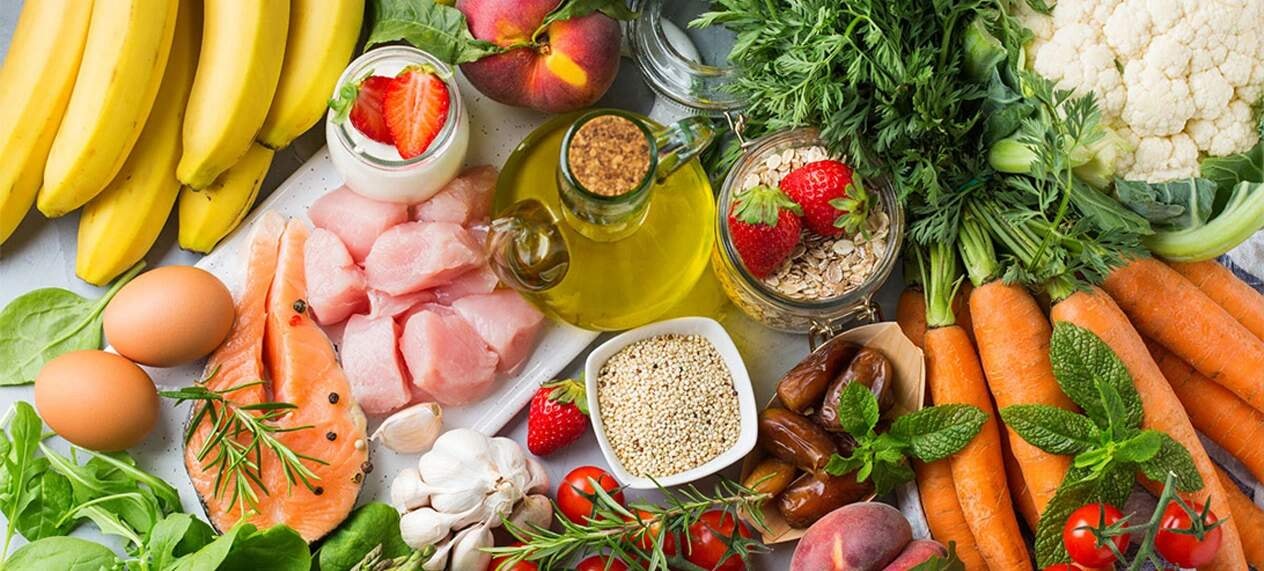
Certain nutrients help the body cope with treatment stress and support immune function during chemotherapy.
Lean meats and lean proteins protect muscle, healthy carbs from whole grains fuel recovery, and vitamins and minerals from fresh fruit and cooked vegetables support the immune system. Fluids also help reduce inflammation and maintain internal balance throughout recovery.
1. Protein
Protein supports tissue repair and helps protect muscle during chemotherapy. Lean meats and other lean proteins supply amino acids needed for healing while limiting digestive strain.
How To Use It Well
-
Add protein to every main meal and snack.
-
Choose softer options if chewing feels hard, like eggs, curd, tofu, or dals.
-
Pair protein with carbs to support steady intake.
Example
Khichdi with curd, eggs with toast, or paneer with rice keeps intake practical and balanced.
2. Healthy Fats
Healthy fats provide concentrated energy and help reduce inflammation during chemotherapy. Sources such as olive oil and chia seeds support cell health and aid the absorption of fat soluble nutrients.
How To Use It Well
-
Use small amounts often, not large amounts at once.
-
Add fats to foods you already tolerate, like porridge, smoothies, or dal.
-
Keep portions moderate to reduce nausea triggers.
Example
One spoon of olive oil on cooked vegetables adds calories without increasing volume.
3. Healthy Carbs
Healthy carbs are the body’s primary fuel source during treatment. Whole grains such as whole wheat, brown rice, and sweet potatoes provide steady energy and support digestion.
How To Use It Well
-
Choose carbs that feel easy to digest on most days.
-
Use softer textures when appetite is low.
-
Combine carbs with protein to reduce energy crashes.
Example
Sweet potatoes with curd or brown rice with dal often feels lighter than fried foods.
4. Vitamins and Minerals
Vitamins and minerals play a vital role in immune defense and tissue repair. Fresh fruit, cooked vegetables, and foods like cherry tomatoes supply essential micronutrients that support healing and recovery.
How To Use It Well
-
Prefer cooked vegetables when digestion feels sensitive.
-
Rotate colors across the week to broaden micronutrient intake.
-
Use fruit in small servings if taste changes make it hard, and remember, you can lose weight without giving up taste with these Indian diet food choices.
Example
A bowl of cooked vegetables plus a small portion of fresh fruit supports intake without heaviness.
5. Fluids and Electrolytes
Fluid balance is critical during chemotherapy to support circulation and digestion. Patients are often advised to drink plenty to prevent dehydration, especially when nausea or diarrhea occurs.
How To Use It Well
-
Sip through the day, instead of drinking large amounts at once.
-
Use sports drinks when fluid losses are high or appetite is low.
-
Keep fluids mild if strong flavors worsen nausea.
6. Dietary Fiber (As Tolerated)
Dietary fiber supports bowel function but must be adjusted based on tolerance. Choosing foods carefully helps manage digestion without worsening discomfort.
How To Use It Well
-
Increase fiber slowly when constipation is present.
-
Reduce fiber when diarrhea flares.
-
Use easy fiber sources, like oats, banana, and soft cooked vegetables.
7. Antioxidant-Rich Foods
Antioxidant rich foods help protect cells from oxidative stress caused by treatment. Green tea and citrus fruits provide compounds that support recovery while remaining gentle on digestion when consumed appropriately.
How To Use It Well
-
Use green tea in mild strength if it suits your stomach.
-
Use citrus fruits carefully if mouth sensitivity increases.
-
Prioritize tolerance over ideals on difficult days.
8. Micronutrients Supporting Immune Function
Micronutrients play a key role in maintaining immune function during chemotherapy. Adequate intake supports the immune system when natural defenses are weakened by treatment. Ensuring consistent micronutrient intake through food helps reduce vulnerability to infections and supports overall recovery.
How To Keep It Consistent
-
Build variety through small portions across meals.
-
Use simple combinations you can repeat without fatigue.
-
Focus on what you can eat daily, not what looks perfect once.
How These Nutrients Work Together
These nutrients do not work in isolation. Each supports a different system, and their combined effect shapes how well the body tolerates treatment day to day.
These nutrient priorities make the next step easier, turning nutrition into a practical diet plan that works on real treatment days.
Get Nutrition Guidance Tailored to Your Treatment
Personalized support can help match food choices to symptoms and recovery needs.
A Nutritionally Balanced Diet Plan for Cancer Patients Undergoing Chemotherapy
A practical diet plan during chemotherapy focuses on frequent meals, small meals, and small portions made from nutritious foods and right foods that the body can tolerate.
Eating small helps maintain digestion and energy while supporting a balanced diet tailored to treatment demands. Structure and consistency are key to meeting daily nutritional needs.
| Meal Timing | Food Options | Portion Size | Approx Calories |
|---|---|---|---|
| Early Morning | Warm water or mild herbal tea | 1 cup | 0–5 kcal |
| Breakfast | Oats cooked in milk with banana | ¾ cup oats + ½ banana | 300–320 kcal |
| Mid-Morning Snack | Curd with soft fruit | ½ cup curd + fruit | 120–150 kcal |
| Lunch | Rice, dal, cooked vegetables, curd | 1 cup rice + ¾ cup dal + veg | 450–480 kcal |
| Afternoon Snack | Toast with peanut butter | 1 slice + 1 tbsp | 180–200 kcal |
| Evening | Soup or vegetable broth | 1 cup | 80–100 kcal |
| Dinner | Khichdi with vegetables | 1½ cups | 350–380 kcal |
| Bedtime (Optional) | Warm milk or soy milk | 1 cup | 120–150 kcal |
How This Plan Is Meant to Be Used
-
Meals are spaced to reduce digestive load
-
Portions stay moderate to limit nausea and fullness
-
Foods are soft, familiar, and adaptable across symptom days
-
Calories come from steady sources, not heavy or fried items
Example
If appetite is low, splitting lunch into two smaller portions still preserves calorie intake without forcing volume.
This structure sets up how food choices can be adjusted day by day while staying within a stable framework that supports treatment.
Foods to Strictly Avoid
Certain foods increase health risks during chemotherapy and should be avoided. Raw fish, raw eggs, unwashed fruits, spicy foods, fried foods, salty foods, and unsafe dairy products can irritate digestion or increase infection risk.
Knowing which foods to avoid protects patients from complications that can interfere with treatment continuity.
What to Avoid and Why It Matters
Chemotherapy can lower the body’s ability to fight germs and can make digestion more sensitive. The safest approach is to avoid foods that increase infection risk or trigger irritation when the gut and mouth are already under strain.
Avoid Foods That Raise Infection Risk
-
Raw fish, including sushi and lightly cured seafood
-
Raw eggs, including undercooked yolks and foods made with them
-
Unwashed fruits, especially those eaten with the skin
-
Unsafe dairy products, especially unpasteurized dairy products
-
Dairy products unwashed fruits from uncertain storage or hygiene conditions
Avoid Foods That Worsen Irritation and Symptoms
-
Spicy foods, especially when mouth sensitivity is present
-
Salty foods that worsen dryness, thirst, or taste changes
-
Fried foods that sit heavy and can increase nausea
-
Any foods that regularly trigger reflux, bloating, or discomfort
How to Make This Practical
-
Choose cooked, freshly prepared meals over raw or stored foods
-
Keep flavors mild, especially if mouth soreness or nausea is active
-
Read labels for pasteurization when buying dairy products
Example: For more information on how a low carb Indian diet can help with weight loss and health, see this detailed guide.
Eating boiled eggs and well-cooked fish supports protein intake, while avoiding raw eggs and raw fish lowers infection exposure during treatment.
Once unsafe triggers are removed, it becomes easier to focus on what the diet plan should achieve each day, starting with the primary goals that guide recovery.
The Primary Goals of a Diet Plan During Chemotherapy
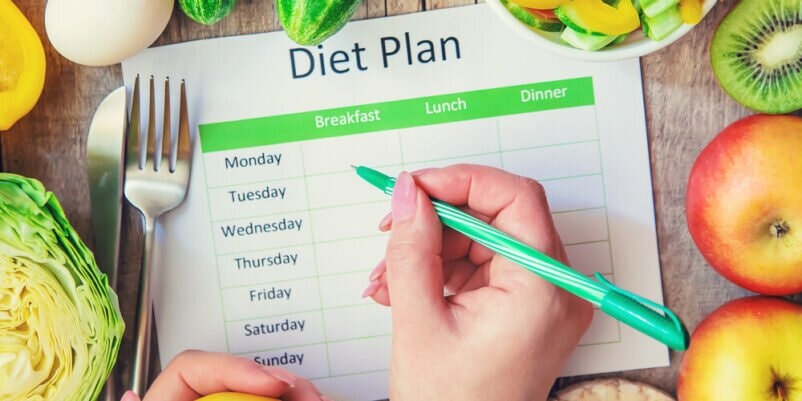
The primary goals of a diet plan include supporting cancer care, maintaining a balanced diet, stabilizing body weight, and preventing further weight loss. Proper nutrition also helps preserve immune function and supports long term cancer care.
These goals guide every dietary decision made during active treatment
1. Maintain Energy and Daily Strength
Maintaining daily strength during treatment depends on steady nourishment that supports overall health. Eating small meals at regular intervals, choosing healthy carbs, and including fluids can help stabilize energy levels.
What This Looks Like Day to Day
-
Keep meal gaps short, even if portions stay small
-
Use carbs and protein together to avoid energy crashes
-
Keep hydration steady to prevent fatigue spikes
2. Support the Body Through Cancer Treatment
Nutrition plays a crucial role in supporting the body through cancer treatment by supplying fuel for repair and resilience. A structured diet plan helps patients manage treatment stress while maintaining body weight and strength.
What to Prioritize
If you are looking to avoid yo-yo dieting and want a sustainable method, consider exploring a realistic liquid diet for weight loss that focuses on balanced nutrition and gradual, healthy changes.
-
Protein at each meal to support repair
-
Enough calories to prevent the body from breaking down muscle
-
Simple meals that are easy to repeat on treatment days
3. Prevent Unintentional Weight Loss
Unintentional weight loss is common during treatment due to appetite changes and digestive stress. Small portions of calorie dense foods, mashed potatoes, soy milk, and lean proteins help maintain intake without overwhelming digestion.
Example
A small bowl of mashed potatoes with curd, plus a glass of soy milk, can add calories when a full meal feels impossible.
4. Reduce the Impact of Treatment Side Effects
Side effects often interfere with eating and digestion. Choosing bland foods, avoiding spicy and fried foods, and using anti nausea foods can reduce discomfort. Adjusting texture, temperature, and meal timing helps patients eat more consistently.
What Works in Practice
-
Use soft, mild meals when nausea is active
-
Keep spices low, especially with mouth soreness
-
Avoid fried foods when digestion feels slow or heavy
5. Support Immune Function and Recovery
A balanced diet supports immune function by providing vitamins and minerals needed for recovery. Fresh fruit, cooked vegetables, and whole grains help maintain immune system stability when defenses are weakened.
What to Focus On
-
Color variety across fruits and vegetables
-
Cooked vegetables when digestion is sensitive
-
Consistent intake, even if quantities are modest
6. Help Cancer Patients Tolerate Chemotherapy Better
Food choices influence how well patients tolerate chemotherapy. Eating small meals, staying hydrated, and avoiding foods that irritate the digestive tract can reduce symptom severity. Consistent nourishment helps patients manage treatment with fewer disruptions.
Key Habit
Treat hydration and meals as scheduled care, not as hunger-driven decisions.
7. Maintain a Balanced Diet Despite Appetite Changes
Appetite loss makes eating challenging, but a balanced diet remains achievable through flexible food choices. Natural fruit juices, mashed potatoes, soy milk, and small meals allow patients to meet nutritional needs without pressure.
Example
If solids feel difficult, natural fruit juices with a soft snack can support intake until appetite improves.
8. Support Long-Term Cancer Care and Healing
Nutrition remains important beyond active treatment. Supporting long term cancer care means choosing right foods that protect overall health and recovery. A sustainable diet plan helps patients rebuild strength, stabilize body weight, and support healing as treatment phases change.
How to Use These Goals as a Daily Framework
-
Check energy levels before deciding portion size and meal timing
-
Prioritize foods that support body weight and lean proteins over empty calories
-
Match food texture and spice level to symptoms, especially mouth sensitivity
-
Build a balanced diet across the day, even if each meal is small
-
Use fluids consistently to support digestion and treatment tolerance
These goals also shape how diet is adjusted to specific symptoms, which is where side effect focused nutrition becomes the most useful.
Managing Common Chemotherapy Side Effects Through Diet
Dietary choices can ease many treatment related symptoms. Anti nausea foods, bland foods, and herbal teas support comfort during nausea or appetite changes. Avoiding trigger foods such as spicy foods and fried foods can reduce irritation.
Addressing side effects through diet improves tolerance and helps patients continue eating consistently.
1. Nausea and Vomiting
Nausea often limits food intake and increases discomfort. Anti nausea foods, bland foods, herbal teas, and natural fruit juices are commonly better tolerated.
What Helps Most
-
Eat small meals and keep them dry or lightly cooked
-
Choose plain carbs and soft proteins
-
Keep fluids separate from meals if fullness worsens nausea
Example
Plain toast, rice, or khichdi with small sips of herbal teas often feels easier than a heavy plate.
2. Loss of Appetite
Loss of appetite reduces total intake and increases nutritional risk. Eat small meals more frequently using calorie dense foods that are easy to consume.
What Helps Most
-
Use frequent meals instead of waiting for hunger
-
Keep small meals ready, so effort does not become a barrier
-
Add calories using easy boosters like curd, nut butter, or olive oil
3. Mouth Sores and Oral Sensitivity
Mouth sores make chewing painful and limit food choices. Soft foods, mashed potatoes, soy milk, and mild options are easier to tolerate. Avoid spicy foods and citrus like orange juice if irritation worsens. If you're looking for meal ideas that are gentle on the mouth and also help manage blood sugar, consider this doctor-recommended diabetes food diet chart.
What Helps Most
-
Choose soft, cool, and moist foods
-
Avoid spicy foods, salty foods, and rough textures
-
Use a straw for fluids if it reduces contact with sore areas
Example
Mashed potatoes with curd, or a soy milk smoothie, supports intake without painful chewing.
4. Taste and Smell Changes
Taste and smell changes can make familiar foods unappealing. Experimenting with different textures, temperatures, and mild seasonings helps restore interest in food. Choosing cooked vegetables and neutral flavors can improve acceptance and, for further ideas, exploring a weekly meal plan, Indian-style may offer sustainable and enjoyable variety.
What Helps Most
-
Serve foods warm, not hot, to reduce strong smells
-
Use tart flavors only if the mouth is not sensitive
-
Focus on foods that still feel “normal” in texture
5. Difficulty Chewing or Swallowing
Swallowing difficulty requires softer textures and moist foods. Pureed meals, mashed potatoes, soy milk, and smoothies help meet nutritional needs safely.
What Helps Most
-
Make foods soft and moist, add gravy or curd
-
Use blended meals when chewing is tiring
-
Take small bites and eat slowly to reduce strain
6. Diarrhea
Diarrhea increases fluid loss and disrupts digestion. Low fiber foods, adequate fluids, and avoiding fried foods help control symptoms.
What Helps Most
-
Choose low fiber, bland foods until stools settle
-
Drink plenty to prevent dehydration
-
Avoid fried foods and high fat meals during active diarrhea
7. Constipation
Constipation may occur due to reduced activity or medications. Fluids, whole grains when tolerated, and gentle fiber sources help regulate bowel movements.
What Helps Most
-
Increase fluids first, then adjust fiber
-
Use whole grains gradually if tolerance allows
-
Add soft cooked vegetables to support regularity
8. Fatigue and Low Energy
Fatigue affects daily functioning and food preparation. Simple meals, healthy carbs, and frequent meals help stabilize energy levels.
What Helps Most
-
Keep meals simple and repeatable
-
Use healthy carbs to support steady energy
-
Prepare in batches on better days to protect consistency
9. Weight Loss or Muscle Loss
Muscle loss can occur when intake drops too low. Lean proteins, small meals, and calorie dense foods help preserve muscle and body weight.
What Helps Most
-
Prioritize lean proteins even when portions are small
-
Add calories without increasing volume, use olive oil or nut butter
-
Track weight loss weekly so changes are caught early
10. Dehydration
Dehydration worsens fatigue and digestive symptoms. Drink plenty of fluids, including sports drinks when needed, to prevent dehydration.
What Helps Most
-
Sip fluids all day, not only at meals
-
Use sports drinks during vomiting, diarrhea, or low intake days
-
Choose cool fluids if nausea worsens with warmth
Once symptoms are managed through smarter food choices, food safety becomes the next layer that protects recovery and prevents avoidable infections.
Must Follow Food Safety and Eating Precautions During Chemotherapy
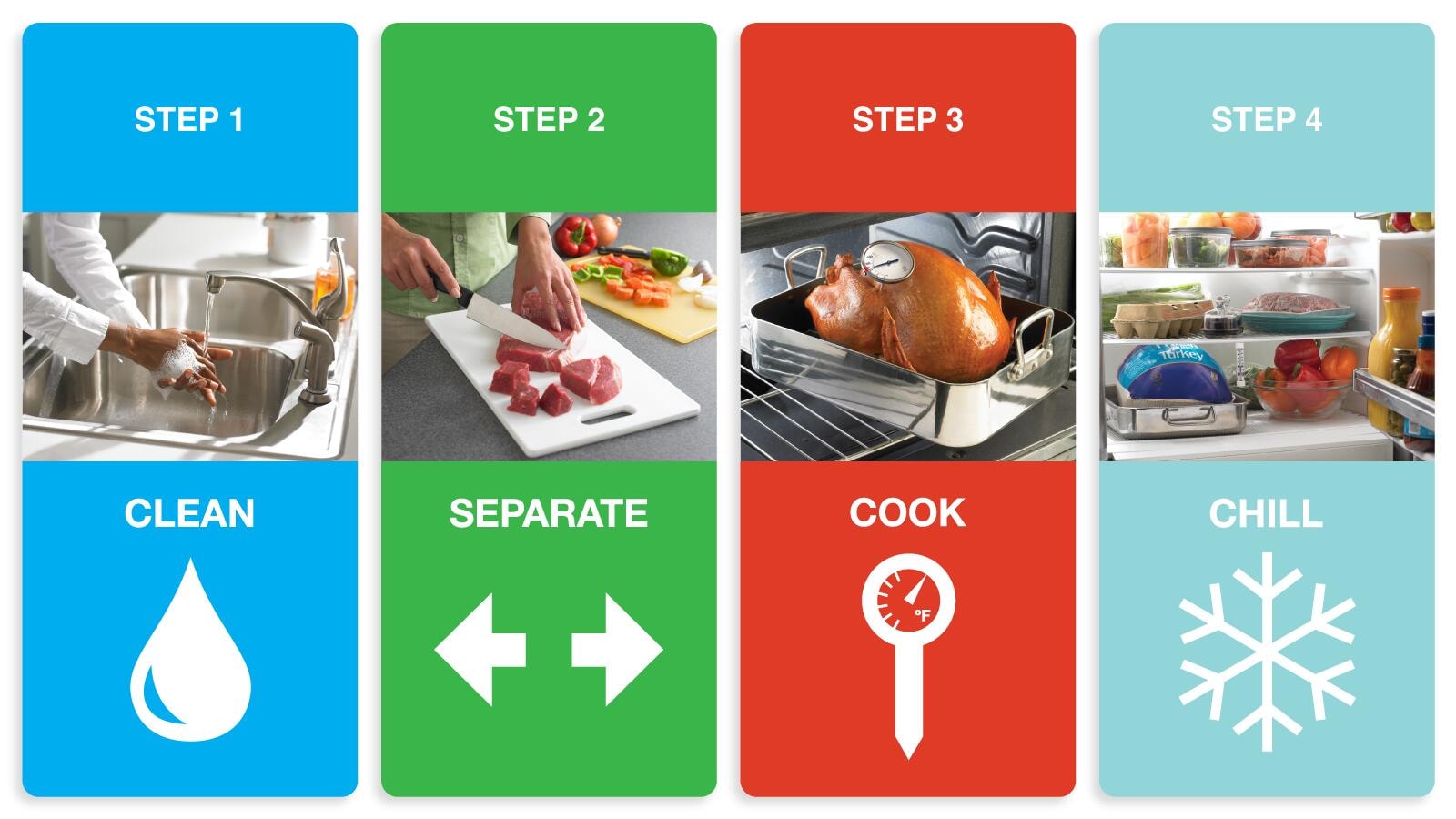
Chemotherapy weakens immune defenses, increasing the risk of foodborne illnesses. Strict food safety practices reduce exposure to harmful bacteria and prevent infections that could delay treatment. Careful handling, preparation, and storage of food becomes an essential part of daily cancer care.
1. Avoid Raw or Undercooked Foods
Raw fish and raw eggs increase infection risk during treatment. Avoid foods that may carry bacteria to protect patients with weakened immunity.
What to Do
-
Choose fully cooked eggs, fish, chicken, and meat
-
Avoid sushi, runny yolks, and lightly cooked foods
-
Prefer freshly cooked meals over raw options
2. Maintain Strict Hand and Food Hygiene
Good hygiene reduces exposure to foodborne illnesses. Washing hands and surfaces protects vulnerable patients from preventable infections.
What to Do
-
Wash hands before cooking and before eating
-
Use separate boards for raw and cooked foods
-
Clean knives and surfaces after handling raw items
3. Choose Freshly Prepared Meals
Fresh meals reduce bacterial growth and spoilage risk. Avoid foods that sit unrefrigerated for long periods.
What to Do
-
Eat soon after cooking whenever possible
-
Avoid buffet food and long stored takeaways
-
Refrigerate leftovers quickly if they must be saved
4. Wash Fruits and Vegetables Thoroughly
Unwashed produce increases contamination risk. Dairy products unwashed fruits should be avoided to reduce infection exposure.
What to Do
-
Rinse produce under running water before cutting
-
Peel fruits if washing is uncertain
-
Avoid pre cut fruits from unknown sources
5. Store and Reheat Food Safely
Proper storage prevents bacterial growth. Reheating food thoroughly protects patients from foodborne illnesses.
What to Do
-
Store leftovers in clean containers
-
Reheat until steaming hot
-
Avoid eating food that smells off or looks spoiled
6. Avoid Unpasteurized Dairy Products
Unpasteurized dairy products can carry harmful bacteria. Patients who are lactose intolerant should also choose alternatives carefully to avoid digestive discomfort.
What to Do
-
Check labels for pasteurization
-
Use lactose free milk or soy milk if lactose intolerant
-
Store dairy products properly and consume within safe limits
Example
If milk causes bloating, switching to soy milk can support intake while reducing digestive discomfort.
7. Drink Safe and Clean Fluids Only
Safe drinking water reduces infection risk. Avoid unsafe sources during treatment.
What to Do
-
Use boiled, filtered, or bottled water
-
Avoid ice from unknown sources
-
Keep bottles clean and covered
8. Check Food Expiry and Storage Conditions
Expired foods increase contamination risk. Always inspect storage conditions before consumption.
What to Do
-
Check expiry dates on packaged foods
-
Avoid items stored in heat or open air
-
Keep dry foods sealed to prevent contamination
9. Avoid Street Food and Unhygienic Eating Environments
Street food often lacks safety controls. Avoid foods prepared in unhygienic conditions to protect immunity and recovery.
What to Do
-
Prefer home cooked meals or trusted hygienic kitchens
-
Avoid uncovered foods and shared serving utensils
-
Choose simple freshly cooked dishes when eating outside
Once food safety is stable, the next step is knowing when symptoms or weight changes require guidance from a registered dietitian and the medical team.
When Cancer Patients Should Seek Professional Dietary Support?
Some situations require expert nutrition guidance. A registered dietitian working alongside the medical team can adjust food choices based on symptoms, treatment response, and nutritional status.
Professional support helps ensure dietary decisions align with medical needs and supports recovery when self management becomes difficult.
When Food Choices Stop Solving the Problem
diet changes work well until symptoms, weight shifts, or hydration issues begin to outpace daily adjustments. At that point, nutrition becomes a clinical concern, not a lifestyle one.
Clear Signals That Professional Support Is Needed
-
Ongoing weight loss despite regular meals and snacks
-
Sudden body weight changes linked to fluid shifts or poor intake
-
Appetite loss that leads to skipped meals across multiple days
-
Mouth sores or swallowing difficulty that limits protein intake
-
Repeated nausea, vomiting, diarrhea, or constipation affecting intake
-
Signs of dehydration such as dark urine, dizziness, or dry mouth
-
Confusion about supplements, special diets, or conflicting advice
What a Registered Dietitian Adds to Cancer Care
-
Aligns the diet plan with treatment cycles and medications
-
Adjusts calories and protein without increasing meal volume
-
Protects immune function through safer food strategies
-
Coordinates nutrition decisions with the medical team
Example
If solids become painful due to mouth sores, a dietitian may replace meals with soft, high protein options like soy milk smoothies and calorie dense purees that maintain intake without irritation.
When nutrition support is integrated early, the next focus naturally shifts to resolving the most common questions patients and caregivers have about eating during chemotherapy.
Speak With a Registered Dietitian
Expert guidance helps when food choices become hard to manage alone.
FAQs
1. How Soon After a Cancer Diagnosis Should Dietary Planning Begin?
Dietary planning should begin as soon as treatment is discussed. Early nutrition support helps prepare the body for therapy, stabilizes body weight, and reduces the risk of complications once chemotherapy or radiation starts.
2. Can Nutrition Choices Help Manage Treatment Schedules and Daily Routines?
Yes. Consistent meal timing, small portions, and easy to digest foods help maintain energy levels, reduce fatigue, and make treatment days more manageable without disrupting daily routines.
3. How Does Long-Term Cancer Care Influence Ongoing Food Choices?
Long-term cancer care shifts food choices toward sustainability. Diets focus on maintaining strength, supporting immune function, and protecting overall health rather than short-term symptom control alone.
4. Are There Safe Comfort Foods When Mouth Sores Make Eating Unpleasant?
Yes. Soft, mild foods such as mashed potatoes, curd, porridges, and smoothies are usually better tolerated and allow patients to maintain nutrition without irritating mouth sores.
5. Does Following a Cancer Diet Change Once Chemotherapy Ends?
Yes. After chemotherapy, the diet gradually expands to support recovery, rebuild strength, and stabilize nutrition, while still respecting any ongoing digestive or tolerance changes.
Conclusion
Doctors recommend this diet plan because it gives patients a way to stay steady when treatment changes how the body responds to food. Structure reduces guesswork and supports consistency on both good days and difficult ones.
Use this plan as a working guide, not a fixed rule. Adjust meals to symptoms, keep food simple, and bring in medical support when intake becomes hard to manage. That approach keeps nutrition practical, safe, and aligned with treatment from start to finish.
Let Nutrition Work With Your Treatment
Use this plan as a guide and seek professional support when needed.




Leave a comment
Translation missing: en.blogs.comments.discription