

Eating can start to feel risky the moment kidney disease enters daily life. Foods that once felt normal suddenly raise doubts, and every meal begins to feel like a decision with consequences.
This diet plan exists to remove that uncertainty. It offers structure, clear boundaries, and practical choices that help kidney disease patients eat with confidence, not fear, while protecting kidney function in everyday life.
What is Chronic Kidney Disease?
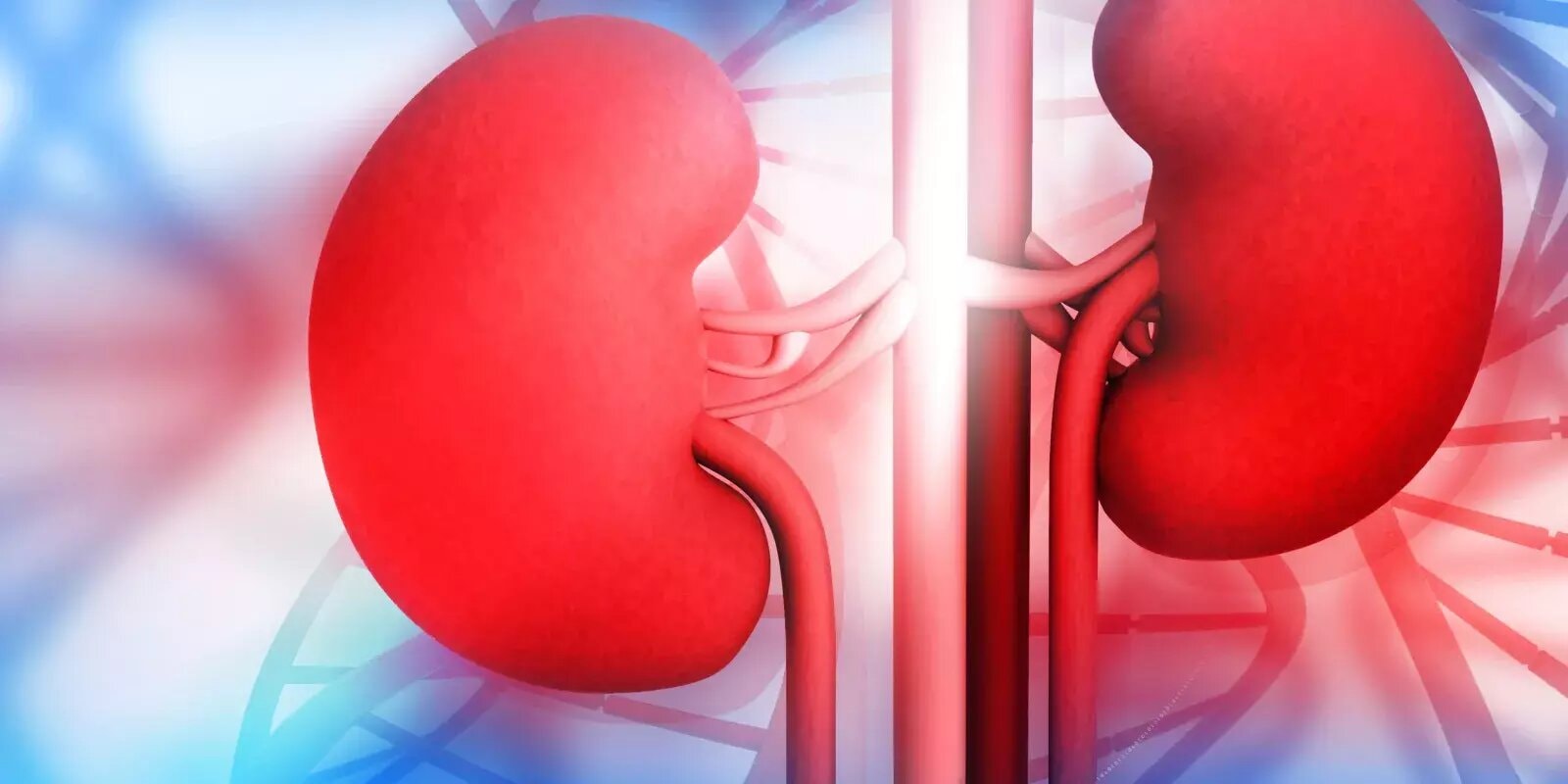
Chronic kidney disease ckd is a long term condition defined by a gradual and irreversible loss of kidney function lasting three months or more. It occurs when the kidneys can no longer filter waste, balance fluids, or regulate electrolytes effectively.
This decline can begin silently in early stages, which is why timely identification and ongoing management shape outcomes early on.
What the kidneys normally manage each day
Healthy kidneys work quietly in the background, regulating several systems at once.
-
They filter waste products from the blood and remove them through urine.
-
They control how much fluid stays in the body and how much is released.
-
They balance minerals that affect muscles, nerves, and heart rhythm.
-
They support nutrient use, including b vitamins and vitamin c, which influence body energy and blood health.
When kidney function weakens, these processes slow down or lose precision.
How chronic kidney disease begins to show itself
In early stages, symptoms may be subtle or easy to overlook. As function declines, patterns become more noticeable.
-
Ongoing fatigue linked to reduced body energy.
-
Swelling in ankles, feet, or face from fluid buildup or too much fluid.
-
Changes in appetite or tolerance to many foods.
-
Muscle cramps or irregular heartbeat when potassium balance shifts toward too much potassium.
-
Gradual weight gain tied to excess fluids rather than body fat.
These signs often appear before people realize how much kidney function has already changed.
Why diet becomes part of early management
Food choices directly influence how hard the kidneys need to work. A healthy diet at this stage is not about restriction, but about control.
-
Knowing how much sodium you consume matters because table salt quietly adds up.
-
Low sodium meals reduce strain linked to fluid retention and blood pressure.
-
Protein choices matter, including how much protein is needed and whether more protein or tighter limits are appropriate.
-
High quality proteins and lean meats are usually easier for the body to manage than processed foods.
-
Some items need care, such as orange juice, saturated fats, trans fats, and other foods that push minerals too high.
-
Simple swaps help, olive oil instead of heavy fats, lemon juice instead of salt, and avoiding processed foods wherever possible.
Example
A kidney friendly meal might include lean meats cooked in olive oil, vegetables seasoned with lemon juice, and low sodium ingredients rather than table salt. Kidney friendly recipes make this approach feel normal, not clinical.
Once symptoms and early changes are understood, the next step is seeing how chronic kidney disease affects the entire body, not just the kidneys themselves.
Risks of Chronic Kidney Disease on Overall Body Function
Chronic kidney disease impacts kidney function far beyond waste removal, affecting body energy, blood vessels, and overall stability. Fluid buildup, excess fluids, high blood pressure, weight gain, and mineral imbalance contribute to growing health problems across multiple systems.
These risks explain why the disease rarely stays limited to the kidneys once progression begins.
1. Progressive Decline in Waste Removal Efficiency (For those considering dietary changes, understanding the impact of a high-protein diet on your body's processes is essential.)
Waste stays in the bloodstream longer, which can affect focus, appetite, and sleep quality. Over time, this buildup contributes to health problems that feel general, but have a clear root.
2. Fluid Retention and Electrolyte Imbalance
Fluid buildup increases pressure on the heart and lungs, while electrolyte shifts affect muscles and nerve control. Excess fluids often show up as swelling, shortness of breath, or sudden weight gain.
3. Rising Blood Pressure and Cardiovascular Strain
High blood pressure both worsens kidney damage and strains blood vessels. This creates a cycle where pressure rises, circulation becomes less efficient, and the cardiovascular system stays under stress.
4. Weakening of Bones and Mineral Density Loss
Mineral imbalance affects bone strength and long term stability. Phosphorus and calcium regulation becomes less precise, increasing the risk of bone pain, weakness, and fracture over time.
5. Accumulation of Toxins in the Bloodstream
As filtration slows, toxins influence skin, digestion, and mental clarity. Many symptoms that look unrelated, like itching or nausea, often trace back to this internal buildup.
6. Increased Risk of Anemia and Fatigue
Kidney disease reduces hormone signals that support red blood cell production. That drop lowers oxygen delivery, which is why body energy can feel limited even after rest.
7. Hormonal Imbalance Affecting Metabolism
Hormone shifts can change appetite, fluid balance, and how the body stores energy. This is one reason weight gain may appear even when eating patterns feel unchanged.
8. Compromised Immune System Response
Chronic inflammation and toxin load can weaken immune response. This increases vulnerability to infections and slows recovery from routine illness.
9. Nerve Damage and Sensory Disturbances
Electrolyte imbalance, especially involving potassium, can affect nerve signals. People may notice tingling, numbness, cramps, or irregular heart rhythm when mineral levels shift.
10. Higher Risk of Multi-Organ Complications
As kidney function declines, stress spreads across major systems. Blood vessels, heart, bones, metabolism, and immunity begin influencing each other, raising overall risk over time.
Example
A person may notice swelling with rapid weight gain, rising blood pressure, and persistent fatigue, then learn their labs show declining kidney function. These signals often appear together, even when they seem separate at first.
Once these risks are clear, building a diet plan that protects kidney function becomes less about food rules and more about preventing these body-wide effects from stacking up.
Diet Plan Kidney Disease Patients Can Follow Safely and Consistently
A diet plan for kidney disease patients works best when it supports a renal diet built around a healthy eating plan, balanced meals, and a well balanced diet.
By combining kidney friendly choices, healthy weight goals, and a realistic meal plan, this eating plan becomes sustainable rather than restrictive in daily life.
| Meal | Vegetarian Option (Portion • Calories) | Non-Vegetarian Option (Portion • Calories) | Vegan Option (Portion • Calories) |
|---|---|---|---|
| Early Morning | Warm water + soaked almonds, 4 pieces • 80 kcal | Warm water + soaked almonds, 4 pieces • 80 kcal | Warm water + soaked almonds, 6 pieces • 90 kcal |
| Breakfast | Vegetable oats porridge, 1 bowl • 220 kcal | Egg white omelette, 2 whites + 1 toast • 230 kcal | Vegetable oats porridge, 1 bowl • 220 kcal |
| Mid Morning: Consider enjoying one of the best fruits for PCOS to help balance hormones and boost your energy. | |||
| Mid Morning | Apple or papaya, 1 cup • 80 kcal | Apple or papaya, 1 cup • 80 kcal | Apple or papaya, 1 cup • 80 kcal |
| Lunch | Steamed rice, 1 cup + dal, 1 cup + vegetables • 420 kcal | Steamed rice, 1 cup + grilled fish, 100 g + vegetables • 450 kcal | Steamed rice, 1 cup + lentils, 1 cup + vegetables • 430 kcal |
| Evening Snack | Plain yogurt, 1 cup • 120 kcal | Plain yogurt, 1 cup • 120 kcal | Roasted chana, 1 small bowl • 130 kcal |
| Dinner | Roti, 2 small + vegetable curry • 300 kcal | Roti, 2 small + grilled chicken, 100 g • 330 kcal | Roti, 2 small + vegetable curry • 300 kcal |
This structure shows how a kidney friendly meal plan can stay flexible across vegetarian, non veg, and vegan patterns while keeping portions controlled and calories predictable.
If planning meals still feels uncertain, MyBalanceBite helps turn medical guidance into simple, everyday eating plans designed around real lab values and real life.
Once daily meals feel clear and manageable, the next step is understanding which nutrients need closer attention to keep kidney function stable over time.
Key Nutrients to Monitor in a Kidney Disease Diet
Monitoring nutrients is central to protecting kidney function while maintaining body energy and stability. Managing too much sodium, potassium levels, high potassium foods, too much phosphorus, protein intake, fluid intake, and excess fluids helps reduce strain on the kidneys.
Each nutrient affects the body differently, which is why limits must be understood individually.
1. Sodium Intake Limits and Blood Pressure Control
Sodium influences fluid balance and blood pressure, both of which directly affect kidney workload.
Why sodium matters
Too much sodium increases fluid retention and raises blood pressure, which strains blood vessels supplying the kidneys.
General intake guidance
-
Typical limit: 1,500–2,000 mg per day
-
Lower targets may apply with swelling or high blood pressure.
What to keep in mind
-
Table salt, sauces, and packaged foods add up quickly.
-
Low sodium cooking works best when practiced consistently.
Example
Using lemon juice, herbs, or spices instead of table salt helps reduce sodium without dulling flavor.
2. Potassium Levels and Muscle, Nerve, and Heart Safety
Potassium supports muscle movement, nerve signals, and heart rhythm, but balance becomes critical as kidney function declines.
Why potassium needs monitoring
Slower filtration can raise potassium levels, especially with frequent intake of high potassium foods.
General intake guidance
-
Typical range: 2,000–2,500 mg per day
-
Limits depend heavily on lab values.
What to keep in mind
-
Portion size matters as much as food choice.
-
Fruits and vegetables vary widely in potassium content.
3. Phosphorus Intake and Bone Health Protection
Phosphorus supports bone structure, but excess builds up when kidney clearance slows.
Why phosphorus matters
Too much phosphorus weakens bones and disrupts calcium balance over time.
General intake guidance
-
Typical limit: 800–1,000 mg per day
-
Additives raise phosphorus faster than natural sources.
What to keep in mind
-
Dairy products and processed foods contribute heavily.
-
Reading labels helps avoid hidden sources.
4. Protein Quantity and Kidney Workload
Protein supports repair and body energy, but the amount and type shape kidney strain.
Why protein needs structure
Protein breakdown produces waste that kidneys must filter, increasing workload when intake is excessive.
General intake guidance
-
Typical range: 0.6–0.8 g per kg body weight per day
-
Needs change in advanced stages or dialysis.
What to keep in mind
-
High quality proteins and lean meats are easier to manage.
-
More protein is not always better.
5. Fluid Intake and Swelling Prevention
Fluid balance affects swelling, breathing comfort, and blood pressure control.
Why fluids matter
Excess fluids cause fluid buildup, weight gain, and strain on the heart.
General intake guidance
-
Typical range: 1–1.5 liters per day
-
Adjusted based on urine output and swelling.
What to keep in mind
-
Soups, beverages, and watery foods all count.
-
Spacing fluids through the day improves comfort.
When these limits are understood in context, food choices stop feeling confusing, and the focus naturally shifts toward identifying which foods need limits to keep these balances steady.
Platforms like MyBalanceBite focus on translating nutrient limits into practical food choices, so daily decisions stay aligned with kidney care goals.
Foods to Strictly Avoid for Better Kidney Function
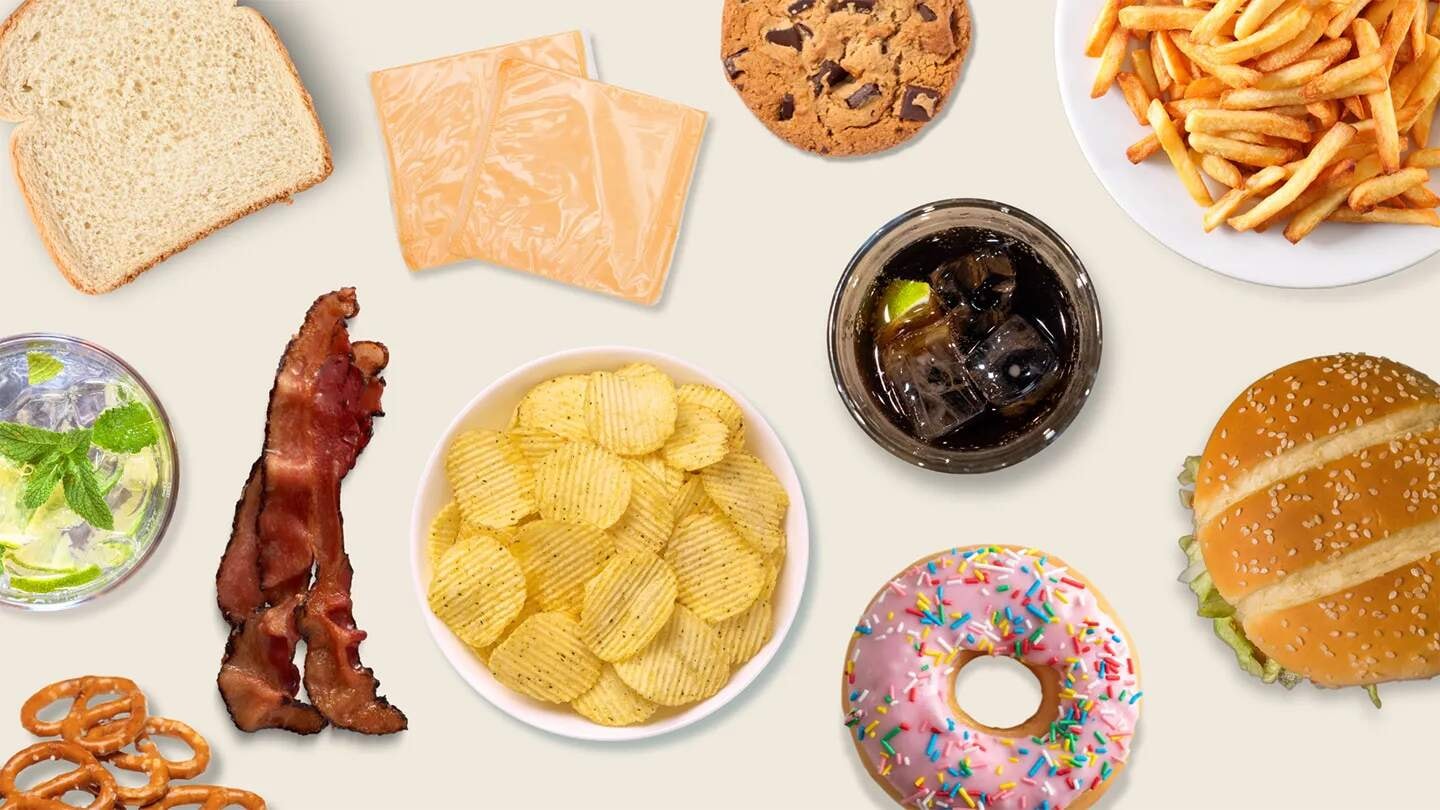
Certain foods quietly worsen kidney stress and should be avoided to support kidney health. Processed foods, packaged foods, frozen foods, fried foods, sugary drinks, deli meats, processed meats, dairy products, and foods high in phosphorus or potassium add unnecessary strain.
Knowing which items to limit prevents avoid eating habits that accelerate damage.
1. Processed and Packaged Foods
These often contain sodium, preservatives, and additives that build up quietly, contributing to not losing weight even when you believe your diet is healthy.
What to watch for
-
Ready meals, instant mixes, and heavily flavored packets
-
Packaged foods marketed as “quick” or “high protein”
2. High Sodium Foods
High sodium intake increases fluid retention and raises blood pressure.
Common sources
-
Pickles, sauces, and seasoning blends
-
Restaurant gravies and packaged soups
3. High Phosphorus Foods
Foods high in phosphorus can stress bone health when kidney clearance slows.
Common sources
-
Processed cheese, chocolate drinks, and cola beverages
-
Frequent large servings of dairy products
4. Foods with Phosphate Additives
Phosphate additives are absorbed quickly and raise phosphorus load faster than natural sources.
Where they hide
-
Packaged meats, processed snacks, and flavored drink powders
-
Ingredient lists containing “phos” terms
5. High Potassium Foods
High potassium foods can become risky when potassium balance shifts.
Common sources
-
Large servings of bananas, coconut water, and some fruit juices
-
Orange juice in regular or large portions
6. Processed Meats
Processed meats often combine sodium, preservatives, and phosphorus additives.
Examples
-
Sausages, nuggets, salami, and canned meat products
-
Deli meats used daily in sandwiches
7. Sugary Beverages
Sugary drinks add calories without nourishment and can worsen metabolic strain.
Examples
-
Sweetened cold drinks, packaged juices, and energy drinks
-
Sweetened tea and flavored milk beverages
8. Deep Fried Foods
Fried foods increase unhealthy fat load and often come with extra salt.
What this includes
-
Deep fried snacks and fast food
-
Items cooked repeatedly in reused oil
9. Packaged Snacks and Instant Foods
These are often high in sodium, additives, and low quality fats.
Examples
-
Chips, instant noodles, flavored popcorn
-
Frozen foods that rely on heavy seasoning for taste
10. Alcohol and Excess Caffeine
These can disrupt hydration balance and sleep quality, and may worsen blood pressure control.
Common issues
-
Fluid imbalance patterns
-
Poor appetite control and irregular routine
Example
A common “normal day” combination, instant noodles, a sugary drink, and deli meats, can overload sodium, additives, and unhealthy fats in one cycle. Replacing that pattern with fresh meals makes the diet plan feel simpler and more predictable.
Once the foods to avoid are clear, the next skill is learning how food labels reveal hidden sodium, additives, and phosphorus before they reach your plate.
How to Read Food Labels for Kidney Disease Safety?
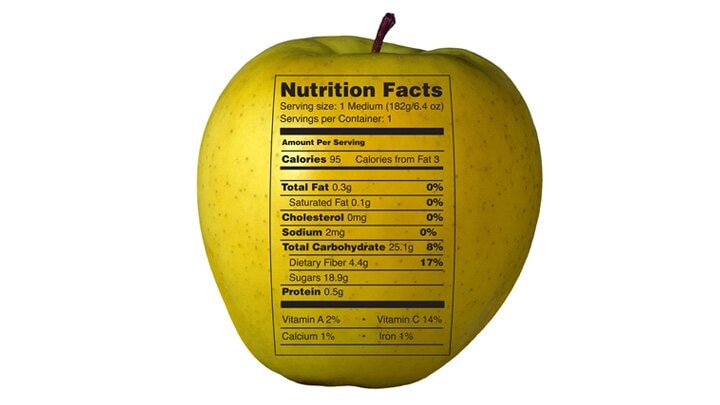
Food labels play a critical role in making healthy food choices for kidney patients navigating packaged foods. Learning to identify sodium, salt substitutes, additives, and canned vegetables helps prevent hidden risks.
This skill turns everyday shopping into a protective habit rather than a guessing game rooted in assumptions.
What to check first on every label
-
Sodium per serving, compare it with your daily target to know what you need to limit.
-
Serving size, many packages contain more than one serving.
-
Potassium and phosphorus mentions, especially on products labeled as fortified.
Scan the ingredient list carefully
Ingredients reveal risks that numbers sometimes hide.
-
Salt substitutes often contain potassium, which may not suit everyone.
-
Additives with “phos” in the name signal added phosphorus.
-
Canned vegetables may include added sodium even when they look plain.
Watch for patterns, not single items
One product rarely causes issues alone. Repeated exposure adds up.
-
Several low sodium items in one meal can still push intake high.
-
Frequent packaged foods increase additive exposure over time.
Example
Two similar soups may list similar calories, but one contains added phosphorus and higher sodium per serving. Choosing the simpler ingredient list reduces strain without changing the meal itself.
Once label reading becomes routine, adjusting food choices based on lab results becomes far more precise and less stressful.
MyBalanceBite is built around this exact skill, helping users interpret food labels with clarity instead of guesswork, especially when managing kidney-related restrictions.
When to Adjust the Diet Based on Lab Reports?
Lab reports guide when changes are needed in a diet plan, especially under medical nutrition therapy. Working with a healthcare provider or registered dietitian ensures dietary adjustments match real lab trends rather than symptoms alone.
This alignment keeps dietary control responsive, accurate, and medically grounded.
Why lab reports matter more than guesswork
Kidney disease changes slowly, but lab values show the direction clearly. Diet adjustments work best when they respond to measurable shifts, not general advice that ignores personal trends.
Which lab patterns usually trigger diet changes
-
Rising potassium, which may require tighter control of high potassium foods.
-
High phosphorus, which often calls for limiting high phosphorus foods and additives.
-
Sodium related fluid retention signs, which may require lower sodium intake.
-
Declining protein tolerance, which affects how much protein fits safely.
-
Worsening fluid balance, which can change how much fluid is appropriate.
For comprehensive support in managing these challenges, explore different diet plans to find what works best for your health needs.
How to use lab results in a practical way
Before making changes do this
-
Confirm the trend across more than one report when possible.
-
Ask your healthcare provider what the target range is for your stage.
-
Work with a registered dietitian to translate numbers into meal changes.
What to bring to your appointment
-
A 3 day food log, including packaged foods and drinks.
-
Notes on swelling, appetite, cramps, sleep, and energy changes.
-
A list of supplements, salt substitutes, and herbal products.
Example
If potassium rises on two consecutive lab reports, a registered dietitian may reduce high potassium foods first, then adjust portions of fruits and vegetables rather than removing them completely.
When lab guided adjustments become routine, lifestyle habits begin carrying more weight, because daily routines decide whether these numbers stay stable between checkups.
Lifestyle Habits That Support Kidney Function Alongside Diet
Supporting kidney health goes beyond food choices alone. Healthy kidneys benefit from stable blood pressure, balanced blood sugar, healthy weight, consistent medical guidance, and regular monitoring by a healthcare provider or registered dietitian.
These habits reduce strain while reinforcing dietary efforts through daily routines that protect long term stability.
1. Maintaining Healthy Blood Pressure Levels
Blood pressure is one of the strongest drivers of kidney strain.
What to change
-
Track blood pressure at home, not only during clinic visits.
-
Keep salt intake consistent rather than fluctuating across days.
-
Prioritize steady walking and sleep timing, both influence blood pressure.
2. Staying Physically Active Within Safe Limits
Movement supports circulation and helps control weight and blood sugar.
What to change
-
Aim for daily movement, even if it is short and low intensity.
-
Choose walking, light cycling, or stretching over sudden high intensity bursts.
-
Pause activity if dizziness, cramps, or shortness of breath appears.
3. Managing Blood Sugar Consistently
Blood sugar swings influence blood vessel health and kidney load.
What to change
-
Keep meal timing predictable to reduce spikes.
-
Build meals around fiber and protein rather than fast carbs.
-
Track sugar patterns if you notice thirst, fatigue, or frequent urination.
4. Avoiding Tobacco and Excess Alcohol
Smoking and alcohol affect blood vessels, hydration, and blood pressure control.
What to change
-
Remove smoking completely, even occasional use strains circulation.
-
Limit alcohol based on medical advice, especially with fluid issues.
-
Avoid mixing alcohol with high salt foods, the combination raises pressure fast.
5. Prioritizing Quality Sleep and Recovery
Sleep supports hormone balance and blood pressure regulation.
What to change
-
Keep a fixed sleep and wake time most days.
-
Reduce late caffeine and heavy late dinners.
-
Treat restless nights as a health signal, not a normal routine.
6. Managing Stress to Reduce Hormonal Strain
Stress raises hormones that affect blood pressure and blood sugar.
What to change
-
Use simple daily resets like slow breathing or short walks.
-
Reduce screen exposure before sleep, it amplifies stress signals.
-
Create predictable routines, consistency reduces stress load.
7. Following Medication and Medical Advice Consistently
Medication timing influences lab stability and blood pressure control.
What to change
-
Take medicines at the same time each day.
-
Avoid self adjusting doses without medical guidance.
-
Share supplements and herbal products with your healthcare provider.
8. Attending Regular Health and Lab Checkups
Checkups confirm whether the plan is working or needs adjustment.
What to change
-
Keep a record of symptoms, swelling, and food changes.
-
Repeat labs on schedule, trends matter more than one report.
-
Use the registered dietitian to translate reports into meal changes.
Example
A person who walks daily, sleeps consistently, and tracks blood pressure often sees steadier lab trends, even with the same diet plan, because the body stays under less strain.
Once lifestyle habits are stable, the remaining questions become more specific, and the FAQ section clears common doubts that still affect daily choices.
FAQs
1. How Do Healthy Fats Fit Into a Long-Term CKD Diet Without Increasing Risk?
Healthy fats support heart health and calorie balance without overloading the kidneys. Small amounts of plant-based oils and unsaturated fats help replace saturated and trans fats, keeping meals satisfying while limiting inflammation and vascular strain.
2. Can an Eating Plan Be Flexible While Still Supporting Healthy Eating Habits?
Yes. Flexibility comes from portion control, ingredient swaps, and timing, not from ignoring limits. A structured eating plan allows rotation of foods while staying within sodium, potassium, phosphorus, and protein targets.
3. How Should Fruits and Vegetables Be Balanced When Tolerance Changes Over Time?
Balance depends on lab trends and portions. Lower-potassium options and controlled serving sizes keep fruits and vegetables in the diet, with cooking methods and frequency adjusted as tolerance shifts.
4. What Role Do Healthy Foods Play in Slowing Chronic Kidney Disease CKD Progression?
Healthy foods reduce metabolic stress, support blood pressure control, and stabilize blood sugar. Consistent choices help protect remaining kidney function and reduce the compounding effects that accelerate progression.
5. Why Do Some Foods High in Additives Disrupt an Otherwise Stable Eating Routine?
Additives often deliver hidden sodium and phosphorus that absorb quickly. Even small, repeated exposures can push labs off balance, making a stable routine harder to maintain despite otherwise careful eating.
Conclusion
Eating with kidney disease does not need constant second-guessing. What helps most is a clear structure you can return to every day, meals built around awareness, not fear, and choices guided by signals your body and labs already give you.
When diet, labels, routines, and medical guidance work together, decisions become simpler and steadier. From here, the focus is not perfection, but consistency that protects kidney function while letting daily life move forward with confidence.
For those looking to bring structure and clarity into daily kidney care, MyBalanceBite offers a practical extension of the principles outlined here.





Leave a comment
Translation missing: en.blogs.comments.discription