

Most people believe lowering cholesterol means giving up the foods they enjoy. That belief quietly shapes every meal choice, often creating resistance before change even begins.
This diet plan works differently. It focuses on how food tastes, how it fits into daily life, and how small adjustments improve cholesterol without turning meals into punishment.
When food remains familiar and satisfying, consistency follows naturally. That consistency is what allows cholesterol levels to shift without forcing willpower at every plate.
What Is Cholesterol And Why It Rises In The Body?
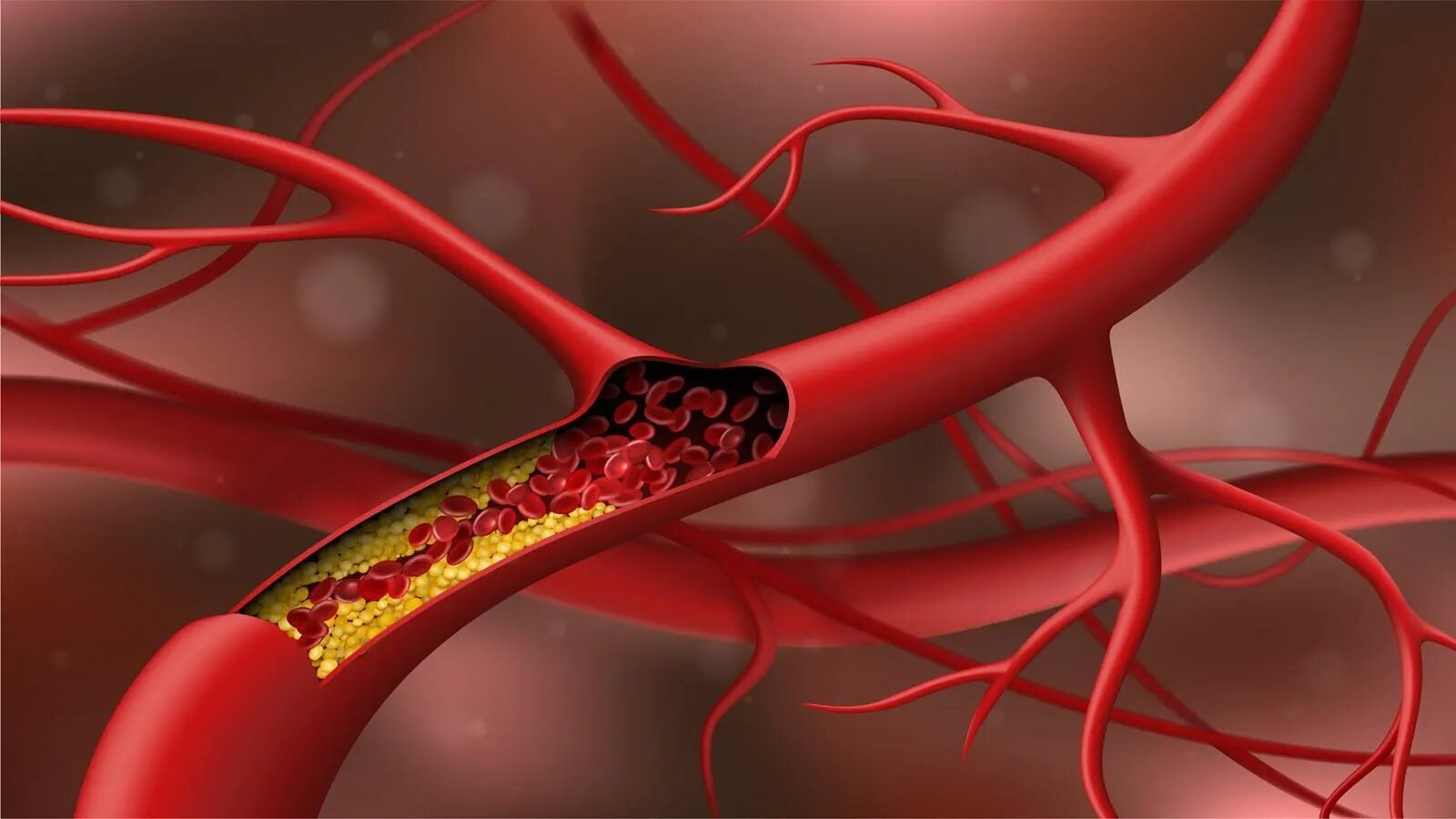
Cholesterol is a waxy substance found in the blood and digestive tract, essential for hormone production but harmful in excess. Problems begin when bad cholesterol like LDL cholesterol and non HDL cholesterol rise faster than good cholesterol such as HDL cholesterol. To help maintain healthy cholesterol levels, following a balanced diet plan can be an effective approach.
Factors like absorbing cholesterol inefficiently and poor diet affect total cholesterol, often detected through a blood test. Understanding these forms clarifies where imbalance actually begins.
What Cholesterol Actually Does
Cholesterol supports hormone production and helps your body digest fat. The liver makes much of it, and the digestive tract absorbs the rest from food. Trouble starts when the body carries too much cholesterol in the wrong form, then it stays circulating in the blood instead of being cleared.
Good Vs Bad Cholesterol
| Aspect | Good Cholesterol (HDL) | Bad Cholesterol (LDL) |
|---|---|---|
| Full name | High density lipoprotein | Low density lipoprotein |
| Core function | Removes excess cholesterol from the blood | Delivers cholesterol into the bloodstream |
| Effect on arteries | Helps keep arteries clear | Encourages plaque buildup |
| Impact on heart health | Protective at higher levels | Risk increases as levels rise |
| Normal range | 40–60 mg/dL | Less than 100 mg/dL |
| Low or high concern | Below 40 mg/dL is low | 130 mg/dL and above is elevated |
| Desired direction | Higher is better | Lower is better |
| How diet influences it | Improves with fiber and healthy fats | Rises with saturated fats and trans fat |
Why Cholesterol Rises In Real Life
Cholesterol usually climbs due to a pattern, not one meal.
-
Diet quality shifts: Frequent processed foods, low fiber meals, and fewer whole grains reduce day-to-day cholesterol control.
-
Low clearing capacity: When HDL cholesterol stays low, the body struggles to move cholesterol out of circulation efficiently.
-
Higher absorption: Some people end up absorbing cholesterol more actively through the digestive tract, which raises total cholesterol even on normal portions.
Example
Two people can eat similar meals, but one person may absorb more cholesterol and see higher numbers on a blood test, while the other clears it better through stronger HDL cholesterol activity.
Food Signals That Often Show Up In Cholesterol Conversations
Certain choices matter because they change how cholesterol behaves.
-
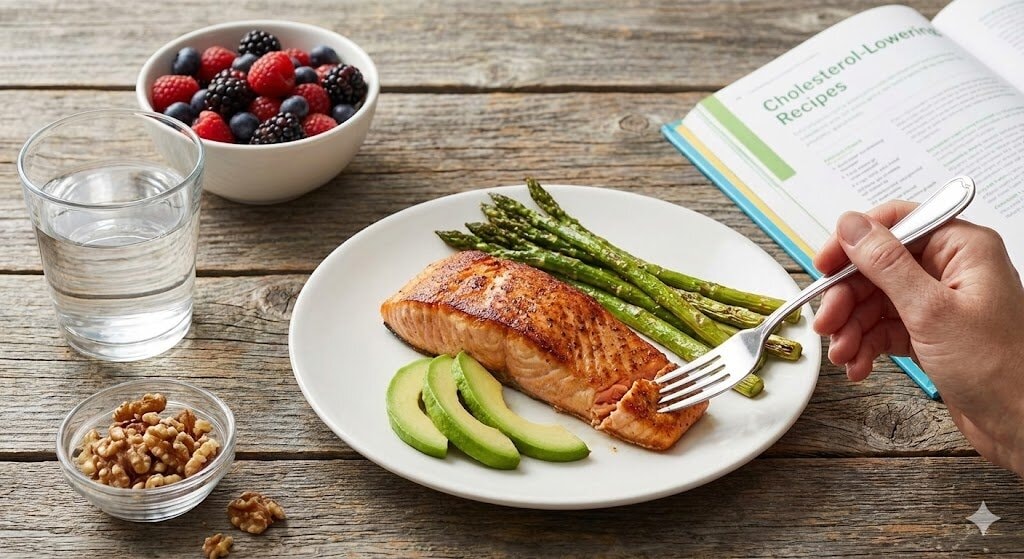
Soluble fiber sources: oat bran, sweet potato, kidney beans, and chia seeds support the gut pathway that helps pull cholesterol out.
-
Healthy fat swaps: olive oil, rapeseed oil, and other liquid vegetable oils provide unsaturated fat that supports better lipid balance.
-
Protein and beverage options: soy milk can fit well when saturated fats are being reduced, and orange juice can be useful when paired with fiber-rich meals.
-
Heart-support foods: oily fish provides omega 3 fatty acids, which support circulation and overall heart health.
Where These Signals Come From
This topic is guided by long-standing public health guidance from organizations like the National Heart, Lung, and Blood Institute, the National Library of Medicine, and the broader Health and Human Services ecosystem. These sources focus on patterns that support heart health, not quick fixes.
The next section translates these cholesterol terms into risk factors that show up first in blood flow, blood pressure, and long-term heart outcomes.
Risks Associated With High Cholesterol Levels
High cholesterol increases multiple risk factors that strain blood flow and disrupt normal circulation. Over time, elevated levels raise the risk of heart disease, heart attack, and high blood pressure while silently increasing the risk of heart complications.
Metabolic syndrome often develops alongside these changes, compounding long-term damage. Each risk follows a predictable pattern inside the body.
What This Looks Like Inside The Body
High cholesterol is not just a lab number. It changes how blood moves through arteries and how much effort the heart needs to maintain circulation.
-
Narrowing: Cholesterol deposits reduce the space available for blood flow.
-
Stiffening: Artery walls lose flexibility, increasing pressure with every heartbeat.
-
Instability: Plaques can become fragile, raising the chance of sudden events.
Example
A person may feel normal during daily routines, yet a blood test shows rising cholesterol while artery stiffness is already developing.
1. Increased Risk Of Heart Disease
When cholesterol builds up in arteries, it directly increases heart disease risk by limiting oxygen-rich blood supply. This restriction forces the heart to work harder and raises the likelihood of heart attack events, especially when combined with other cardiovascular stressors.
Why The Risk Builds Over Time
-
Reduced blood flow forces the heart to pump with more effort.
-
Oxygen delivery becomes less efficient during activity and stress.
-
Plaque growth slowly changes the shape of arteries, increasing cardiovascular risk—often linked to factors such as diet for obesity.
2. Elevated LDL Cholesterol And Artery Blockage
Low density lipoprotein particles lodge into artery walls and harden over time. This blockage reduces flexibility and narrows passageways, creating the foundation for plaque buildup and long-term circulation problems.
What Makes Blockage More Likely
To help prevent dietary blockage and support your health goals, consider following a balanced nutrition approach such as this 7-day vegetarian meal plan, Indian edition.
-
LDL particles settle in areas already irritated by inflammation.
-
Plaques grow gradually, then harden and restrict flow.
-
Sudden rupture is possible when plaque becomes unstable.
3. Rising Blood Pressure And Reduced Circulation
As arteries lose elasticity, resistance increases and blood pressure rises. Reduced blood flow affects organs that depend on steady circulation, including the heart and brain, long before symptoms become obvious.
Why Cholesterol And Blood Pressure Often Move Together
-
Stiffer arteries increase resistance inside blood vessels.
-
The heart compensates with higher force, raising pressure.
-
Circulation becomes less smooth and more strained.
4. Higher Chances Of Stroke And Cardiac Events
Restricted blood flow and unstable plaques increase the chance of sudden blockages. These disruptions can trigger stroke or other cardiac events without warning, especially when cholesterol remains unmanaged.
How Sudden Events Happen
-
Plaque rupture triggers clot formation.
-
A clot blocks a critical vessel quickly.
-
Brain and heart tissue are affected within minutes.
5. Increased Risk Of Erectile Dysfunction
Blood flow impairment affects smaller blood vessels first. Erectile dysfunction often appears when cholesterol-related narrowing limits circulation, making it an early vascular warning rather than an isolated issue.
Why This Shows Up Early
-
Small vessels narrow sooner than major arteries.
-
Reduced circulation affects performance before pain appears.
-
The pattern often overlaps with rising blood pressure.
6. Long-Term Damage To Overall Heart Health
Persistent cholesterol imbalance weakens heart health gradually. Structural strain, reduced efficiency, and cumulative vascular damage combine to create lasting cardiovascular decline.
Where Food Choices Start To Matter
A risk-heavy profile improves when meals focus on cholesterol lowering foods, not restrictions. Food quality matters more than perfection.
-
Eat plenty of fiber-rich foods and plant-based options that support circulation.
-
Use plant sterols strategically through everyday foods that fit your routine.
-
Build meals around other nutrients that support vascular function, not just fat control.
Seeing how risk develops makes it easier to understand why a diet plan must target the causes inside the bloodstream, not just remove random foods.
Diet Plan To Reduce High Cholesterol And Support Long-Term Heart Health
A structured diet plan built around a healthy diet and heart healthy diet principles helps lower your cholesterol while restoring balance between LDL and HDL. The right cholesterol diet supports efforts to lower LDL cholesterol and raise HDL cholesterol naturally.
Food choices shape outcomes more than restrictions ever could.
| Meal | Vegetarian | Non-Vegetarian | Vegan | Portion Size | Approx Calories |
|---|---|---|---|---|---|
| Early Morning | Warm water + soaked almonds | Warm water + soaked almonds | Warm water + soaked almonds | 5–6 almonds | 70–80 |
| Breakfast | Vegetable oats with olive oil | Egg white omelette + whole grain toast | Oats with soy milk and chia seeds | 1 bowl / 2 eggs | 300–320 |
| Mid-Morning | Fruit + walnuts | Fruit + walnuts | Fruit + walnuts | 1 fruit + 3 walnuts | 150–170 |
| Lunch | Brown rice, dal, mixed vegetables | Brown rice, grilled fish, vegetables | Brown rice, kidney beans, vegetables | 1 plate | 420–450 |
| Evening Snack | Roasted chana | Boiled eggs | Roasted chickpeas | 1 small bowl | 140–160 |
| Dinner | Roti, vegetable curry, curd | Roti, lean chicken curry | Roti, vegetable curry | 2 rotis | 320–350 |
| Optional Add-On | Buttermilk | Buttermilk | Herbal tea | 1 cup | 40–50 |
“Get a personalized heart-health diet built around your blood results and lifestyle, start with a free consultation.”
Why This Diet Works
-
Portions support steady blood flow without excess calories
-
Meals use whole grains, unsaturated fat, and soluble fiber sources
-
Protein is balanced to support heart health across food preferences
-
The structure is flexible enough for long-term consistency
This diet plan creates a daily rhythm that supports cholesterol control without isolating foods or relying on extremes, which makes it easier to sustain over months rather than days.
When meals are structured this way, the next step is understanding how specific foods quietly raise cholesterol without being obvious, so adjustments become precise instead of restrictive.
Foods That Raise Cholesterol Levels Without You Realizing
Many foods high in hidden fats quietly disrupt cholesterol balance. Processed foods, trans fat, and food products containing coconut oil or excessive oils raise levels faster than expected. Too much alcohol compounds the effect, making everyday choices a silent contributor to cholesterol buildup.
Identifying these foods prevents unintentional damage.
Common Food Patterns That Push Cholesterol Up
-
Processed foods: Packaged snacks, ready meals, and bakery items often contain trans fat and refined oils that raise LDL cholesterol over time.
-
Foods high in hidden fats: Items like fried snacks, creamy gravies, and packaged spreads deliver more saturated fat than portion sizes suggest.
-
Food products using coconut oil: While natural, coconut oil is high in saturated fat and can raise cholesterol when used frequently.
-
Excess oils in cooking: Repeated use of vegetable oils or liquid vegetable oils in large amounts quietly increases calorie and fat intake.
-
Too much alcohol: Regular intake interferes with fat metabolism and encourages higher cholesterol production in the liver.
Example
A home-cooked meal may seem balanced, but repeated frying or generous oil use can turn a healthy base into a cholesterol-raising habit without obvious warning signs.
“Want a cholesterol diet that’s designed for your body and taste preferences? Book a customized plan with expert guidance.”
How Awareness Changes Daily Choices
Once these patterns are visible, food decisions become easier to adjust. The goal is not removal, but recognition and smarter frequency control.
Knowing which foods quietly raise cholesterol makes it possible to replace them with options that actively support improvement, which is exactly where cholesterol-lowering foods start to matter next.
How Long It Takes For A Diet Plan To Show Results On Cholesterol Levels?
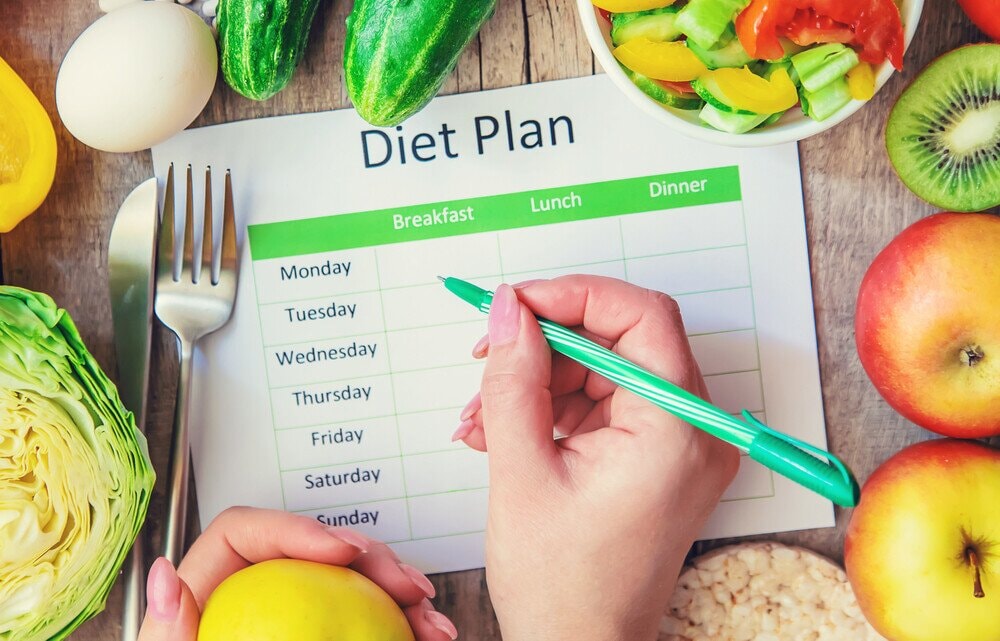
Cholesterol changes follow a biological timeline influenced by weight management, weight loss, and consistency. Measurable shifts in total cholesterol often appear within weeks and are confirmed through a blood test. Progress varies by individual metabolism and adherence, not speed alone.
Tracking improvement depends on knowing what signals actually change.
What Usually Changes First
The body responds to dietary structure before numbers fully settle. Early improvements often happen quietly inside the bloodstream.
-
LDL cholesterol may begin to decline as saturated fat intake drops
-
HDL cholesterol response is slower and depends on activity and fat quality
-
Triglyceride changes often appear sooner than total cholesterol shifts
Typical Timeframes People Notice
Most people see patterns rather than instant results.
-
2 to 4 weeks: Early movement in cholesterol markers on a blood test
-
6 to 8 weeks: Clearer reduction in total cholesterol with steady adherence
-
12 weeks and beyond: More stable changes tied to weight management and routine
Example
Someone following a consistent diet plan may feel no different day to day, yet a follow-up blood test after six weeks often shows lower LDL and improved overall balance.
Why Consistency Matters More Than Speed
Cholesterol responds to repeated signals, not short-term effort. Weight loss achieved gradually tends to improve cholesterol control more reliably than rapid changes that disrupt routine.
Understanding the timeline makes expectations realistic, and that clarity helps prevent common mistakes that derail progress when results feel slow at first.
Common Mistakes People Make While Following A Low Cholesterol Diet
Many people focus on certain foods while missing the broader pattern. Overemphasis on foods rich in labels rather than balance leads to poor results. Excess reliance on vegetable oils and liquid vegetable oils, along with ignoring overall foods quality, often stalls progress.
Avoiding these mistakes keeps the diet effective.
1. Completely Avoiding All Fats Instead Of Choosing Healthy Fats
Cutting all fats often reduces meal satisfaction and pushes people toward refined carbs. Healthy fats support balance when portions are controlled and sources are chosen wisely.
2. Relying Too Much On Processed “Low Fat” Foods
“Low fat” often means more sugar, more additives, and less fiber. Many of these products are still processed foods, which can work against cholesterol goals even if the label looks reassuring.
3. Ignoring Portion Sizes And Total Calorie Intake
Even heart-friendly foods can stall progress when portions climb. A low cholesterol diet still needs practical calorie awareness to support steady weight management and metabolic stability.
Example
A bowl of oats can support cholesterol, but oversized servings with sweet toppings can turn it into excess calories every morning.
4. Overlooking Hidden Saturated Fats In Daily Meals
Saturated fat often hides in gravies, fried snacks, bakery items, and restaurant-style cooking. This is where many “healthy” routines quietly drift off track.
5. Focusing Only On Cholesterol And Ignoring Blood Pressure
Cholesterol and blood pressure often rise together because both reflect artery stress. A plan that ignores salt balance, sleep, and movement usually misses the bigger cardiovascular picture.
6. Skipping Lifestyle Changes And Relying Only On Diet
Diet improves cholesterol, but lifestyle changes decide whether improvement becomes permanent. Movement, sleep, and stress control shape how the body processes fats daily.
7. Expecting Immediate Results Without Consistency
Consistency is key when aiming for long-term results with any healthy eating plan.
Cholesterol responds to repeated signals over weeks, not bursts of effort. Consistency keeps the body in a stable pattern long enough for blood markers to shift.
These corrections are simple once you see them clearly, and the next step is using lifestyle changes to make your diet plan work with less effort and better long-term results.
Lifestyle Changes That Strengthen A Diet Plan For Better Heart Health
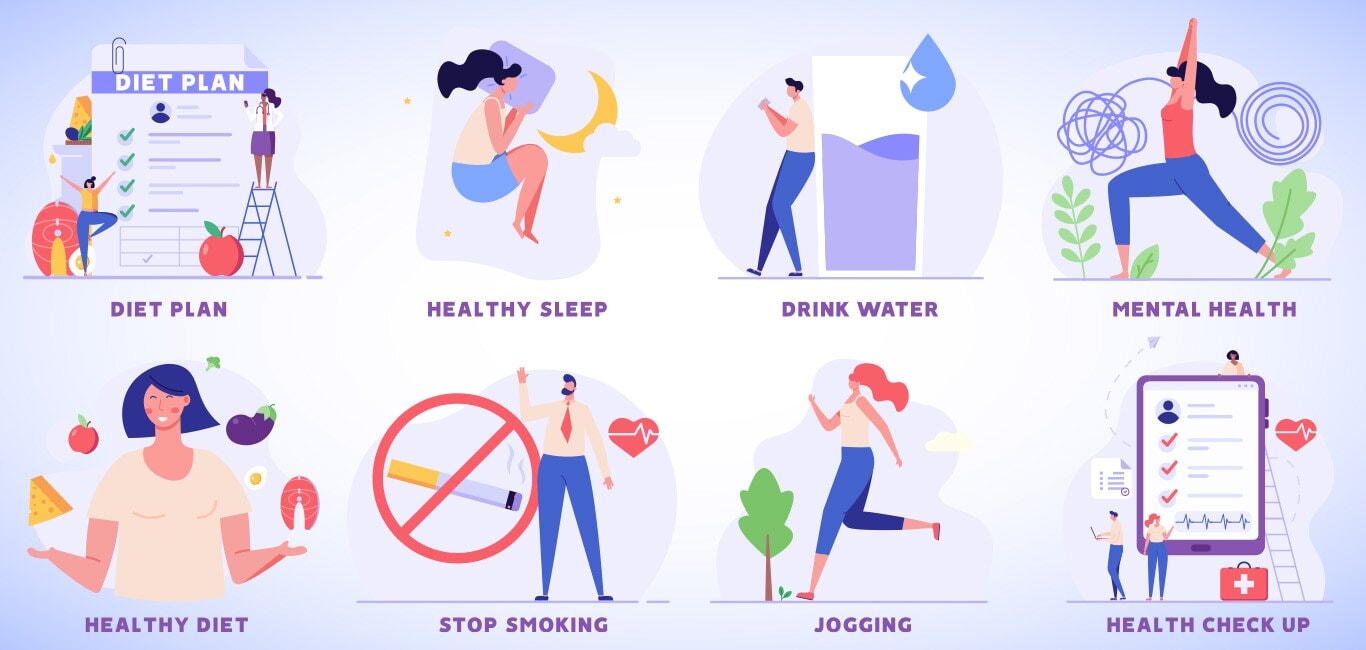
Diet works best when paired with therapeutic lifestyle changes that reinforce heart health. A therapeutic lifestyle approach improves circulation, supports weight management, and stabilizes cholesterol responses. Lifestyle changes shape how food impacts the body over time.
1. Regular Physical Activity To Improve Blood Circulation
Physical activity strengthens the heart muscle and keeps circulation efficient. It supports better blood flow, helps the body use fats more effectively, and improves how cholesterol moves through the bloodstream.
What To Aim For
-
Brisk walking, cycling, or swimming most days
-
Light strength training a few times a week
-
Short movement breaks if you sit for long hours
Example
A 20-minute walk after dinner often improves digestion and supports more stable blood flow overnight.
2. Weight Management To Support Healthy Cholesterol Levels
Weight management supports cholesterol control because fat metabolism improves when the body stays in a stable range. Even modest weight loss can reduce LDL pressure and support healthier balance over time.
What Works Best
-
Consistent meal timing and portions
-
Protein and fiber at most meals
-
A routine that stays steady on weekends
3. Stress Reduction To Control Blood Pressure
Stress affects cholesterol indirectly through hormones and directly through high blood pressure patterns. Reducing stress supports calmer circulation and helps the body respond better to a heart-friendly diet plan.
Simple Tools That Hold Up In Real Life
-
Ten minutes of slow breathing
-
Daily sunlight and a short walk
-
Fewer late-night screens before sleep
4. Quality Sleep For Hormonal And Heart Balance
Sleep regulates appetite hormones and supports recovery systems that influence cholesterol responses. Poor sleep often increases cravings and makes weight management harder, which affects long-term heart health.
Sleep Signals That Help
-
A fixed sleep and wake time
-
A darker, quieter room
-
A lighter dinner and earlier caffeine cut-off
5. Limiting Smoking And Alcohol For Vascular Health
Smoking stresses blood vessels and reduces vascular flexibility. Alcohol in excess affects liver fat processing and can worsen cholesterol patterns. Limiting both protects circulation and supports better heart health outcomes.
Practical Boundaries
-
Reduce frequency before reducing intensity
-
Avoid pairing alcohol with fried, high-fat meals
-
Replace the habit loop with movement or tea
6. Consistency In Daily Habits For Long-Term Heart Health
Consistency is the part most people underestimate. Small habits repeated daily create the conditions where diet changes actually show measurable results.
A Consistency Checklist That Works
-
Move daily, even briefly
-
Keep meals simple and repeatable
-
Track routine, not perfection
These lifestyle changes create the environment where a diet plan can do its job, and the next step is understanding the specific foods that lower cholesterol most effectively.
FAQs
1. Can High Cholesterol Be Genetic Even With A Healthy Diet?
Yes. Genetics can influence how much cholesterol the liver produces and how efficiently it is cleared, leading to high levels even with healthy eating.
2. Do Cholesterol Levels Increase With Age Even If Eating Habits Stay The Same?
Often yes. Metabolism and hormone changes with age can reduce cholesterol clearance, causing levels to rise over time.
3. Is It Safe To Consume Healthy Fats Daily When Managing High Cholesterol?
Yes, in controlled portions. Healthy fats can improve cholesterol balance when they replace saturated and trans fats.
4. Can Stress Alone Raise Cholesterol Levels Without Dietary Causes?
Yes. Chronic stress affects hormones and blood pressure, which can increase cholesterol levels even without diet changes.
5. Should Cholesterol Be Monitored Differently For Men And Women?
The test is the same, but interpretation differs due to hormonal changes and risk patterns across life stages.
Conclusion
Lowering cholesterol does not require dramatic food rules or constant restraint. What matters is choosing meals that feel familiar, taste good, and fit into daily life without friction. When food supports routine instead of fighting it, consistency becomes natural.
That consistency is what quietly improves cholesterol levels and protects long-term heart health, one ordinary meal at a time.
“Ready for measurable changes in your cholesterol and heart health? Connect with a certified nutritionist today.”




Leave a comment
Translation missing: en.blogs.comments.discription